When you search for prp hair before and after images, you’re looking for real evidence that platelet‑rich plasma can truly revive thinning strands. PRP therapy has become a popular, minimally invasive option for men and women who want to restore density without surgery. In this article we’ll explain how PRP works, what a typical session looks like, and how to interpret the results you’ll see in before‑and‑after photos. Understanding the process helps you set realistic expectations and decide if this treatment aligns with your hair‑restoration goals.
Hair loss affects more than 40 % of men and 30 % of women by age 35, and the psychological impact can be significant. Traditional solutions like medication or transplant surgery are effective for many, but they also come with drawbacks such as long recovery times or ongoing medication costs. PRP offers a middle ground: it uses your own blood components to stimulate follicles, potentially improving thickness and health within a few months.
Below, we break down the science, the patient experience, and the visual outcomes you can expect. By the end, you’ll have a clear picture of what “prp hair before and after” truly means for your own journey.
Understanding PRP Therapy for Hair Loss
Platelet‑rich plasma (PRP) is a concentration of platelets derived from your own blood. These platelets contain growth factors that can boost cell proliferation, improve blood flow, and reduce inflammation—key elements for revitalizing dormant hair follicles.
The procedure begins with a simple blood draw, followed by centrifugation to separate the plasma rich in platelets from the rest of the blood. The resulting platelet‑rich plasma is then injected into the scalp at strategic points where thinning is most evident.
Key mechanisms include:
- Stimulation of stem cells in the hair bulge region.
- Increase in vascular endothelial growth factor (VEGF) to enhance blood supply.
- Reduction of follicular inflammation that can accelerate shedding.
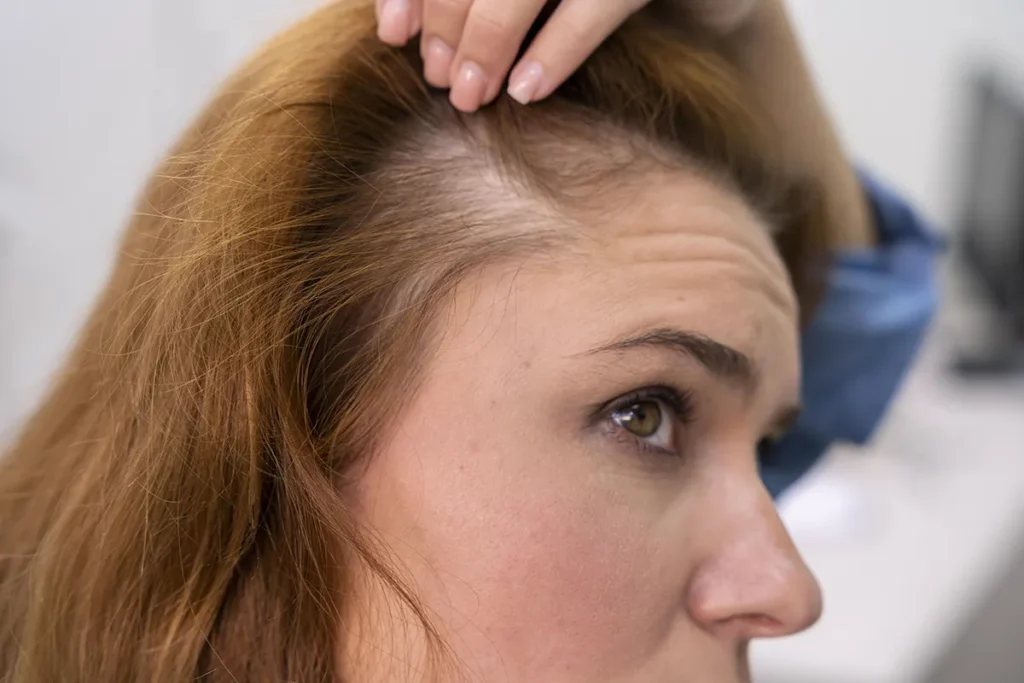
Research shows that patients who undergo a series of three to four monthly sessions often experience measurable improvements in hair density and shaft thickness.
What to Expect During a PRP Session
A typical PRP appointment lasts about 60‑90 minutes, from preparation to post‑injection care. Below is a step‑by‑step timeline that outlines the patient journey.
| Stage | Duration | What Happens |
|---|---|---|
| Danışmanlık | 15‑20 min | Medical history review, scalp analysis, and goal setting. |
| Blood Draw | 5‑10 min | Approximately 10 ml of blood is collected from the arm. |
| Centrifugation | 10‑15 min | Blood is spun to separate platelet‑rich plasma from red cells. |
| Scalp Preparation | 5‑10 min | Area is cleansed and numbing cream may be applied. |
| Injection | 20‑30 min | PRP is injected using fine‑gauge needles at 1‑cm intervals. |
| Post‑Procedure Care | 5‑10 min | Gentle massage, instructions for avoiding heat and harsh chemicals. |
Most patients report only mild discomfort during the injections, and there is no downtime—most return to daily activities immediately. After the session, you may notice a slight redness that fades within a day or two.
Evaluating Results: Before and After Comparisons
Seeing prp hair before and after photos is the most tangible way to gauge success. While individual outcomes vary, most patients notice three primary changes within three to six months:
- Increased hair density in previously thinning zones.
- Improved hair shaft thickness, making each strand appear fuller.
- Reduced shedding, especially during the initial post‑treatment weeks.
To help you assess progress, here is a simple checklist you can use when reviewing your own photos:
| Metric | How to Measure | Typical Improvement Timeline |
|---|---|---|
| Hair Density | Count visible strands per cm² in standardized photos. | 10‑20 % increase after 3‑4 sessions. |
| Strand Thickness | Microscopic measurement or visual comparison. | Noticeable thickening by month 4. |
| Shedding Rate | Count hairs lost during daily washing. | Reduction of 30‑50 % after 2‑3 months. |
Remember that PRP is a regenerative therapy, not a miracle cure. Consistency matters: most clinicians recommend a series of three to four monthly sessions, followed by maintenance treatments every 4‑6 months to sustain the gains.
Factors Influencing Success of PRP Hair Restoration
Not every individual experiences the same level of improvement. Several variables affect the final outcome of PRP therapy.
- Age: Younger patients with early‑stage thinning tend to respond better because follicles are still viable.
- Underlying Cause: Hormonal alopecia (e.g., androgenetic) often shows more noticeable results than scarring alopecia.
- Platelet Count: Higher baseline platelet levels can produce a richer PRP concentrate.
- Lifestyle: Smoking, poor nutrition, and high stress can diminish regenerative potential.
- Compliance: Following post‑procedure guidelines, such as avoiding harsh chemicals and using gentle shampoos, supports healing.
Patients who combine PRP with complementary treatments—like low‑level laser therapy (LLLT) or topical minoxidil—often achieve synergistic benefits. However, the core of success remains the quality of the PRP preparation and the expertise of the practitioner.
Combining PRP with Other Hair Restoration Methods
Many patients ask whether PRP can be integrated with surgical options like FUE or DHI transplants. The answer is yes—PRP is often used both pre‑ and post‑operatively to improve graft survival and accelerate healing.
Typical integration strategies include:
- Pre‑operative PRP sessions to prime the scalp and stimulate dormant follicles.
- Immediate post‑operative PRP injections to reduce inflammation and support graft uptake.
- Maintenance PRP every 4‑6 months after a transplant to sustain density gains.
When PRP is combined with a transplant, patients frequently report a smoother recovery and a denser final appearance compared with surgery alone. This hybrid approach leverages the strengths of both regenerative and surgical techniques, offering a comprehensive solution for extensive hair loss.
Why Choose Gold City Hair
Gold City Hair has been delivering personalized hair‑restoration solutions in Turkey since 2017. Our clinic combines state‑of‑the‑art PRP equipment with a team of experienced physicians who prioritize safety, transparency, and measurable results. We tailor each PRP protocol to the individual’s scalp condition, ensuring optimal platelet concentration and injection technique. By choosing Gold City Hair, you benefit from a proven track record, a comfortable clinical environment, and a commitment to helping you regain confidence through natural‑looking hair growth.
Ready to see your own prp hair before and after transformation? Contact Gold City Hair today to schedule a personalized consultation and start your journey toward fuller, healthier hair.
SSS
What is PRP hair treatment and how does it work?
PRP hair treatment uses your own platelet‑rich plasma injected into the scalp to stimulate dormant follicles and promote hair growth.
How many PRP sessions are needed for visible results?
Most patients see noticeable improvement after three to four monthly sessions.
What can I expect during a PRP hair session?
A session lasts 60‑90 minutes and includes a blood draw, centrifugation, scalp preparation, and injections.
How do I evaluate before and after PRP results?
Use standardized photos and a checklist measuring density, thickness, and shedding.
Can PRP be combined with hair transplant surgery?
Yes, PRP can be used before and after a transplant to improve graft survival and healing.
Are there any side effects or downtime after PRP therapy?
Side effects are mild and include temporary redness or swelling; there is no downtime.





