Bu reasons for receding hairline are often misunderstood, leading many to feel helpless as their hairline gradually moves backward. In this article we explore the most common causes, explain how they interact, and outline practical steps you can take before noticeable thinning becomes permanent. According to recent dermatology studies, up to 30% of men ve 10% of women notice a shifting hairline before the age of 35, making early awareness essential.
We will break down hormonal influences, genetic factors, lifestyle habits, and medical conditions that can accelerate hair loss. By the end of the guide, you’ll have a clear picture of why your hairline may be receding and what options exist—whether it’s adjusting daily routines or seeking professional restoration.
Understanding the root causes not only empowers you to make informed decisions but also helps you communicate effectively with hair restoration specialists, such as those at Gold City Hair, who can tailor treatments to your specific situation.
Hormonal Factors and Androgenetic Alopecia
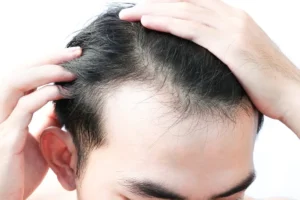
One of the most prevalent reasons for receding hairline is hormonal imbalance, particularly the role of dihydrotestosterone (DHT) in androgenetic alopecia. DHT is derived from testosterone and binds to receptors in hair follicles, shortening the growth phase and causing follicles to miniaturize. This process is most noticeable along the frontal scalp and temples, creating the classic “M” shape.
Key points to consider:
- Elevated DHT levels often stem from genetic sensitivity rather than excess hormone production.
- Men typically experience this pattern first, but women can also develop a diffuse thinning that includes the hairline.
- Medical treatments like finasteride and topical minoxidil work by reducing DHT activity and prolonging the anagen (growth) phase.
Below is a comparison of common hormonal treatments and their typical outcomes:
| Treatment | Mechanism | Typical Result |
|---|---|---|
| Finasteride (oral) | Inhibits 5α‑reductase, lowering DHT | Stabilizes hair loss in 85% of users |
| Minoxidil (topical) | Vasodilator, stimulates follicle activity | Promotes regrowth in 40‑60% of cases |
| Low‑Level Laser Therapy | Improves blood flow to scalp | Supports existing hair thickness |
Genetic Predisposition and Family History
Genetics play a decisive role in the reasons for receding hairline. If a close relative—especially a father or grandfather—experienced early hairline recession, the likelihood of a similar pattern increases dramatically. This hereditary component is linked to specific genes that regulate androgen receptors and the sensitivity of hair follicles to DHT.
Important aspects of genetic influence include:
- Polygenic inheritance: Multiple genes contribute, making exact prediction challenging.
- Sex‑linked patterns: Men often inherit the X‑linked gene from their mother, while women may inherit autosomal genes.
- Ethnic variations: Certain populations show higher prevalence of frontal hairline recession.
Genetic screening is not routinely required, but a detailed family history can guide clinicians in selecting the most effective treatment plan.
Genetic risk summary:
| Family Member | Age of Onset | Pattern Observed |
|---|---|---|
| Father | 28 | Classic M‑shaped recession |
| Grandmother | 45 | Diffuse thinning, including hairline |
| Brother | 32 | Rapid frontal recession |
Lifestyle Influences: Stress, Nutrition, and Hair Care
Beyond hormones and genetics, everyday lifestyle choices significantly affect the reasons for receding hairline. Chronic stress triggers the release of cortisol, which can push hair follicles into the telogen (resting) phase, leading to temporary shedding known as telogen effluvium. Poor nutrition—especially deficiencies in iron, zinc, and biotin—deprives follicles of essential building blocks, while harsh hair care practices can cause mechanical damage.
Key lifestyle contributors:
- Stress management: Regular exercise, mindfulness, and adequate sleep reduce cortisol spikes.
- Balanced diet: Incorporate lean proteins, leafy greens, nuts, and omega‑3 fatty acids.
- Gentle hair handling: Avoid tight ponytails, harsh chemicals, and excessive heat styling.
- Avoid smoking: Nicotine reduces scalp circulation, accelerating follicle aging.
Simple daily checklist for hair‑friendly habits:
| Habit | Recommended Action |
|---|---|
| Stres | Practice 10‑minute meditation each morning |
| Beslenme | Eat at least 2 servings of oily fish per week |
| Hair care | Use sulfate‑free shampoo, limit heat tools to 2 times/week |
| Smoking | Quit or reduce to <10 cigarettes/day |
Medical Conditions and Medications
Several medical conditions and prescription drugs can contribute to the reasons for receding hairline. Autoimmune disorders such as alopecia areata cause patchy hair loss that may affect the frontal scalp. Thyroid imbalances, iron‑deficiency anemia, and severe infections also disrupt normal hair cycles. Moreover, medications like anticoagulants, beta‑blockers, and certain antidepressants list hair loss as a possible side effect.
When evaluating hair loss, clinicians typically conduct:
- Blood tests for thyroid, ferritin, and hormonal panels.
- Scalp examination to differentiate between scarring and non‑scarring alopecia.
- Medication review to identify potential culprits.
Below is a quick reference of common medical triggers and suggested actions:
| Condition/Medication | Potential Impact | Management |
|---|---|---|
| Alopesi Areata | Autoimmune patchy loss | Corticosteroid therapy, immunomodulators |
| Hipotiroidizm | Slows metabolism, affects follicles | Thyroid hormone replacement |
| Oral Contraceptives | Hormonal fluctuations | Consult physician for alternatives |
| Anticoagulants (e.g., warfarin) | Reduced blood flow to scalp | Monitor dosage, consider alternatives |
Preventive Measures and Early Intervention
While some factors—like genetics—cannot be changed, many of the reasons for receding hairline are modifiable with timely action. Early detection allows for interventions that can halt or even reverse thinning before permanent follicle loss occurs.
Effective preventive strategies include:
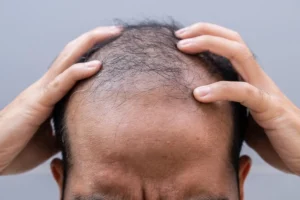
- Regular scalp assessments: Look for early signs such as a widening part or subtle thinning at the temples.
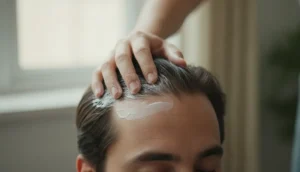
- Topical prophylaxis: Initiate minoxidil use at the first hint of recession.
- Professional counseling: Consult a hair restoration specialist to discuss personalized plans, including FUE or DHI transplants if needed.
- Lifestyle optimization: Maintain stress‑reduction routines and a nutrient‑rich diet.
Early‑stage treatment timeline (illustrative):
| Month | Action | Expected Outcome |
|---|---|---|
| 0‑1 | Identify early recession, start minoxidil | Stabilization of hair loss |
| 2‑4 | Blood work, address deficiencies | Improved follicle health |
| 5‑12 | Evaluate response, consider laser therapy or transplant | Potential regrowth, denser appearance |
Why Choose Gold City Hair
Gold City Hair has been delivering personalized hair restoration solutions in Turkey since 2017. Our team specializes in advanced techniques such as FUE, DHI, and eyebrow or beard transplants, ensuring natural‑looking results tailored to each client’s unique pattern of hair loss. With transparent communication and a commitment to patient comfort, we guide you through every step—from initial assessment to post‑procedure care—helping you regain confidence and a fuller hairline.
Ready to address the reasons for your receding hairline? Contact Gold City Hair today for a personalized consultation and discover the most effective treatment plan for you.
Take the first step toward a revitalized appearance—schedule your appointment now.
SSS
What are the main hormonal causes of a receding hairline?
Elevated DHT levels, often due to genetic sensitivity, shrink hair follicles and shorten the growth phase, leading to recession.
How does family history influence hairline recession?
A close relative with early hairline recession greatly increases your risk due to inherited genes that affect androgen receptors.
Can lifestyle changes slow down a receding hairline?
Yes, managing stress, eating a nutrient‑rich diet, and gentle hair care can reduce further recession.
Which medical conditions or medications can trigger hairline recession?
Autoimmune alopecia, thyroid disorders, iron‑deficiency anemia, and certain drugs like anticoagulants or beta‑blockers can contribute.
What early‑intervention steps should I take when I notice my hairline receding?
Start regular scalp checks, use minoxidil early, address nutritional gaps, and consult a hair restoration specialist.