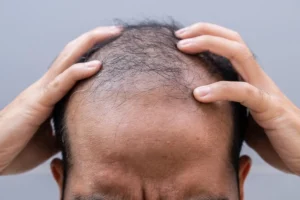
When the receding hairline corners begin to pull back, many men and women notice an immediate impact on their confidence. This article explains the underlying reasons for corner recession, offers styling strategies to mask the effect, and outlines both non‑surgical and surgical treatments that can restore a balanced hairline. According to recent dermatology surveys, up to 30% of adults experience noticeable corner recession by age 40, making it one of the most common forms of hair loss.
Understanding the root causes is the first step toward an effective plan. Whether the issue stems from genetics, hormonal shifts, or lifestyle factors, the right approach can halt further loss and even reverse the existing recession. In the sections that follow, you will find actionable advice on haircuts, grooming products, and medical options, all tailored to the unique challenge of corner hair loss.
By the end of this guide, you will be equipped with the knowledge to choose a solution that aligns with your aesthetic goals and budget, while also learning how professional hair restoration at Gold City Hair can deliver lasting, natural‑looking results.
What Causes Receding Hairline Corners?
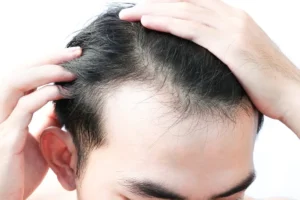
The shape of the hairline is influenced by a blend of genetic, hormonal, and environmental factors. In many cases, the corners—often referred to as the “temporal points”—are the first areas to thin, creating a classic “M‑shaped” pattern.
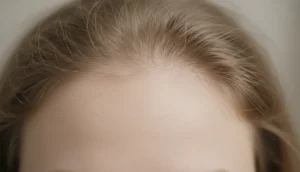
Genetic predisposition is the most common driver. Men who inherit a family history of a high forehead or a pronounced widow’s peak are more likely to see early corner recession. Women can experience a similar pattern, though it is often less dramatic.
Hormonal changes, particularly elevated levels of dihydrotestosterone (DHT), shrink hair follicles in the temporal region. This process, known as androgenic alopecia, can accelerate the loss of hair at the corners.
- Age‑related thinning – natural reduction in hair density after the mid‑30s.
- Stress and poor nutrition – can trigger telogen effluvium, temporarily worsening recession.
- Improper styling – frequent tight ponytails or excessive heat can damage the fragile hairs at the corners.
Recognizing these triggers helps you target the right intervention. For instance, if a strong widow’s peak runs through your family, you may benefit from early preventative treatments rather than waiting for visible thinning.

How to Conceal and Style Receding Corners
While you explore long‑term solutions, smart styling can dramatically improve the appearance of a receding hairline. The goal is to create the illusion of a fuller, more balanced front.
Haircuts That Work
Choosing the right haircut is essential. Below are popular options that help mask corner recession:
- Side‑swept fringe – adds volume across the forehead and draws attention away from the temples.
- Medium‑length layered cut – provides movement and hides thinning spots.
- Low‑fade or tapered cut – blends the receded corners into a gradual fade, softening the contrast.
- Modern pompadour with volume on top – shifts focus upward, making the front appear denser.
Styling Products and Techniques
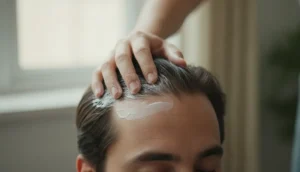
Light‑hold pomades, matte clays, and volumizing powders can add texture without weighing hair down. When applying product, work from the roots outward, lifting the hair at the temples to create a fuller silhouette.
| Product Type | Best For | Application Tip |
|---|---|---|
| Volumizing mousse | Fine, thin hair | Apply to damp hair, blow‑dry with a round brush. |
| Matte clay | Short to medium cuts | Warm in palms, work into roots, focus on sides. |
| Light‑hold pomade | Classic side part | Use sparingly; smooth over the crown, avoid the temples. |
These styling choices work well for both men receding hairline hairstyles ve hairstyles for receding hairline in women, offering a versatile toolkit regardless of gender.
Non‑Surgical Treatments and Lifestyle Adjustments
When styling alone isn’t enough, several non‑invasive options can slow or reverse corner recession. These treatments are often the first line of defense before considering surgery.
Topical and Oral Medications
Minoxidil (2% or 5%) is an FDA‑approved topical solution that stimulates follicular activity. Consistent use for at least four months can produce measurable regrowth at the temples.
Finasteride, taken orally, blocks DHT production and is particularly effective for men with androgenic alopecia. Women should consult a physician before use, as it is not typically recommended for them.
Platelet‑Rich Plasma (PRP) Therapy
PRP involves injecting concentrated platelets from your own blood into the scalp. The growth factors promote healing and can improve hair density in the receded corners after a series of three sessions.
Nutrition and Scalp Care
A balanced diet rich in biotin, zinc, and omega‑3 fatty acids supports hair health. Regular scalp massage with essential‑oil blends (e.g., rosemary and peppermint) increases blood flow, encouraging follicle vitality.
- Biotin‑rich foods: eggs, nuts, whole grains.
- Zinc sources: pumpkin seeds, lentils.
- Omega‑3: salmon, flaxseed oil.
Combining these lifestyle changes with medical treatments often yields the best outcomes for those seeking to halt the progression of a receding hairline.
Surgical Solutions: Hair Transplant Techniques for Corner Loss
For individuals who prefer a permanent, natural‑looking fix, surgical hair restoration offers the most definitive answer. Modern techniques can precisely reconstruct the hairline, including the delicate corners.
Foliküler Ünite Ekstraksiyonu (FUE)
FUE removes individual follicular units from a donor area—typically the back of the head—and implants them into the receded corners. This method leaves minimal scarring and allows for a customized hairline shape.
Direct Hair Implantation (DHI)
DHI uses a specialized pen to place grafts directly into the scalp without creating pre‑made channels. The result is higher graft survival rates and finer control over angle and direction, essential for recreating a natural temporal point.
Choosing the Right Technique
| Technique | Avantajlar | Considerations |
|---|---|---|
| FUE | Minimal scarring, flexible donor area | Longer procedure time |
| DHI | Higher graft survival, precise angle | Higher cost, requires specialized equipment |
| Strip (FUT) | Potentially lower cost per graft | Linear scar, less ideal for tight curls |
At Gold City Hair, our experienced surgeons assess each patient’s unique hairline geometry, including the presence of a widow’s peak or other natural landmarks, to design a personalized plan. The clinic’s state‑of‑the‑art facilities ensure a comfortable experience and optimal graft survival.
Why Choose Gold City Hair
Gold City Hair has been delivering safe, effective hair restoration in Turkey since 2017. Our clinic specializes in FUE, DHI, and eyebrow/beard transplants, providing a fully personalized experience from the initial consultation through post‑procedure care. With transparent communication and a focus on natural results, we help patients regain confidence and a youthful appearance.
Ready to restore your hairline corners and boost your confidence? Contact Gold City Hair today to schedule a free, no‑obligation consultation and discover the best treatment plan for you.
SSS
What causes receding hairline corners?
Genetics, hormonal changes (especially DHT), age‑related thinning, stress, poor nutrition, and improper styling can all lead to corner recession.
How can I style my hair to hide receding corners?
Use side‑swept fringe, layered cuts, low‑fade or tapered styles, and volumizing products to create the illusion of fullness.
What non‑surgical treatments are effective for hairline corner loss?
Topical minoxidil, oral finasteride, PRP therapy, and nutrition‑focused scalp care are the main non‑surgical options.
Is PRP therapy suitable for restoring receded hairline corners?
Yes, PRP can improve density in the temporal area after a series of treatments, especially when combined with other therapies.
What are the differences between FUE and DHI hair transplant techniques for corner loss?
FUE extracts individual grafts and leaves minimal scarring; DHI uses a specialized pen for direct implantation, offering higher graft survival and precise angle control.
Why should I choose Gold City Hair for hairline restoration?
Gold City Hair offers experienced surgeons, state‑of‑the‑art FUE and DHI techniques, personalized plans, and a proven track record since 2017.