If you keep asking yourself, how do i know if im balding, you are not alone. Millions of people notice a few extra hairs on their pillow or a widening part and wonder whether it signals the start of permanent hair loss. Understanding the early signs can help you act before the condition progresses.
Hair loss affects both men and women, but the patterns and underlying reasons often differ. Recognizing whether you are experiencing normal shedding, a temporary thinning, or the early stages of androgenetic alopecia is crucial for choosing the right treatment path.
In this guide we will walk you through the most common visual cues, explain the science behind different types of hair loss, and outline when professional help is advisable. By the end, you’ll have a clear roadmap to answer the question, “how do i know if im balding,” and feel confident about the next steps toward restoring your hair.
Common Patterns of Hair Loss and What They Indicate
Hair loss does not occur randomly; it follows recognizable patterns that can hint at the underlying cause. Identifying these patterns early is the first step in answering how do i know if im balding.
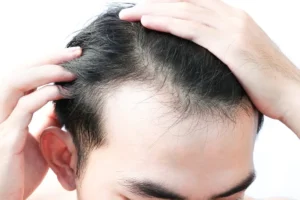
- Receding hairline – Typically starts at the temples and forms an “M” shape. Common in male pattern baldness.
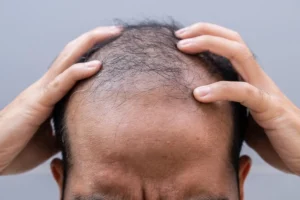
- Thinning crown – A bald spot that expands from the top of the head, often seen in both genders.
- Diffuse shedding – Even hair loss across the scalp, frequently linked to stress, hormonal changes, or nutritional deficiencies.
- Patchy loss – Irregular bald spots, characteristic of alopecia areata or traction alopecia.
Below is a quick reference table comparing the most frequent patterns:
| Pattern | Typical Appearance | Likely Cause |
|---|---|---|
| Receding Hairline | Hairline retreats at temples | Androgenetic alopecia (male) |
| Thinning Crown | Bald spot expands upward | Androgenetic alopecia (both) |
| Diffuse Shedding | Uniform thinning | Telogen effluvium, stress |
| Patchy Loss | Round or oval bald patches | Alopecia areata, traction |

Physical Signs to Look for on Your Scalp
Beyond the overall pattern, specific physical signs can tell you whether you are truly balding or simply experiencing normal shedding. Pay attention to these indicators:
- Visible scalp – If you can see more of the scalp through your hair, especially when the light hits it, thinning may be progressing.
- Miniaturized hairs – Fine, short hairs that replace thicker strands are a hallmark of androgenetic alopecia.
- Increased shedding – Finding more than 100 hairs on your pillow or in the shower each day can signal an issue.
- Itchy or inflamed scalp – May indicate dermatological conditions like seborrheic dermatitis that can accelerate loss.
To assess these signs, part your hair in multiple directions and examine the scalp under natural light. A handheld magnifying lens can help you spot miniaturized hairs that are otherwise difficult to see.
Underlying Causes: From Genetics to Lifestyle
Understanding why you might be losing hair is essential for answering how do i know if im balding and deciding on treatment. The causes can be broadly grouped into genetic, hormonal, medical, and lifestyle factors.
- Genetic predisposition – Androgenetic alopecia, often called male or female pattern baldness, is inherited and driven by the hormone DHT.
- Hormonal shifts – Pregnancy, menopause, thyroid disorders, and high androgen levels can trigger thinning.
- Medical conditions – Autoimmune diseases like alopecia areata, scalp infections, and chronic illnesses may lead to localized or diffuse loss.
- Lifestyle influences – Poor nutrition, excessive stress, smoking, and harsh hair styling (tight braids, frequent heat) can accelerate shedding.
Below is a concise overview of common causes and typical signs:
| Cause | Typical Sign | Recommended Action |
|---|---|---|
| Androgenetic alopecia | Gradual receding hairline or crown thinning | Medical therapy, hair transplant |
| Stress‑related telogen effluvium | Sudden diffuse shedding | Stress management, nutritional support |
| Alopecia areata | Round bald patches | Immunomodulatory treatment |
| Traction alopecia | Hair loss along hairline or temples | Change hairstyles, avoid tension |
When to Seek Professional Evaluation and Treatment Options
Recognizing early signs is only half the battle; knowing when to consult a specialist can dramatically improve outcomes. Consider professional evaluation if you notice any of the following:
- Rapid progression of a receding hairline or crown thinning within six months.
- Persistent patchy loss that does not improve with basic care.
- Associated symptoms such as itching, redness, or pain.
- Family history of early‑onset androgenetic alopecia.
Hair restoration clinics, like Gold City Hair, offer a range of evidence‑based treatments:
- Medication – Finasteride and minoxidil are FDA‑approved for slowing or reversing early loss.
- Low‑level laser therapy – Non‑invasive devices that stimulate follicular activity.
- Foliküler Ünite Ekstraksiyonu (FUE) – Surgical transplant that relocates healthy follicles to balding areas.
- Direct Hair Implantation (DHI) – An advanced FUE technique offering higher graft survival.
During a consultation, the specialist will perform a scalp analysis, possibly a dermatoscopic exam, and discuss your medical history to create a personalized plan.
Common Myths and Misconceptions About Balding
Even with abundant information, myths persist and can mislead those asking how do i know if im balding. Let’s debunk a few prevalent misconceptions:
- Myth: Wearing hats causes baldness. – Hats simply cover the scalp; they do not affect follicle health.
- Myth: Shampoo can prevent hair loss. – While good hygiene is important, shampoos cannot stop genetic hair loss.
- Myth: Cutting hair makes it grow faster. – Trimming removes split ends but does not influence growth cycles.
- Myth: All baldness is irreversible. – Early‑stage androgenetic alopecia can often be stabilized or partially reversed with proper treatment.
Understanding the truth empowers you to make informed decisions and avoid wasted time and money on ineffective remedies.
Why Choose Gold City Hair for Hair Restoration
Gold City Hair has been delivering personalized hair restoration solutions since 2017. Our clinic specializes in advanced techniques such as FUE and DHI, ensuring high graft survival and natural‑looking results. We prioritize transparent communication, thorough pre‑procedure screening, and post‑treatment support to help you regain confidence.
With a team of experienced surgeons and a commitment to patient‑centered care, Gold City Hair offers a seamless journey from diagnosis to lasting restoration.
Ready to take control of your hair health? Contact Gold City Hair today for a personalized consultation and discover the most effective path to restore your hair and confidence.
SSS
How can I tell if I am balding?
Look for a receding hairline, thinning crown, increased shedding, visible scalp, or miniaturized hairs.
What are the common patterns of hair loss?
The main patterns are receding hairline, thinning crown, diffuse shedding, and patchy loss.
Which physical signs indicate early balding?
Visible scalp, miniaturized hairs, increased daily shedding, and an itchy or inflamed scalp are key signs.
What are the main causes of hair loss?
Genetics, hormonal changes, medical conditions, and lifestyle factors all contribute to hair loss.
When should I see a specialist for hair loss?
Seek professional help if you notice rapid progression, persistent patchy loss, symptoms like itching, or a strong family history.
What treatment options are available for early balding?
Medications, low‑level laser therapy, and surgical options like FUE and DHI are common treatments.
What are common myths about baldness?
Myths include that hats cause baldness, shampoo can prevent loss, cutting hair speeds growth, and that all baldness is irreversible.