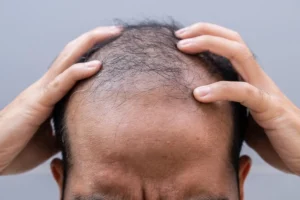
Understanding the signs of thinning hair male can help you take action before significant hair loss occurs. Many men notice subtle changes in their scalp long before a noticeable bald spot forms, and early detection is key to preserving hair density. In fact, studies show that up to 70% of men experience measurable thinning by the age of 35, yet most wait until the hairline has receded noticeably before consulting a specialist.
This article walks you through the most common visual cues, the physiological reasons behind them, and practical steps you can take to slow or reverse the process. Whether you’re dealing with a receding hairline, diffuse thinning, or sudden shedding, recognizing these patterns empowers you to choose the right treatment at the right time.
By the end of this guide, you’ll be equipped to differentiate normal hair cycles from warning signs, adopt lifestyle habits that support scalp health, and know precisely when professional intervention—such as FUE or DHI transplants offered by Gold City Hair—becomes the most effective option.
Common Early Indicators of Hair Thinning
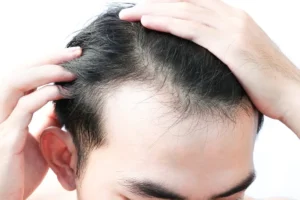
Spotting the signs of thinning hair male early often relies on paying attention to subtle changes in texture and coverage. Below are the most frequently reported indicators:
- Gradual widening of the part line, especially when combed or styled.
- Increased visibility of the scalp on the crown or temples.
- Fine, short hairs replacing previously thicker strands.
- Noticeable shedding of more than 100 hairs per day during washing.
- Development of a “horseshoe” pattern where the hair thins around the perimeter but remains denser in the center.
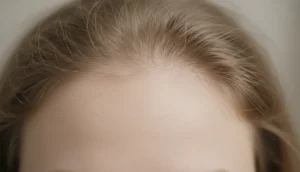
These signs often appear alongside a receding hairline, which is a hallmark of male pattern baldness. The following table compares typical early signs with normal seasonal shedding to help you differentiate:
| Feature | Early Thinning | Normal Shedding |
|---|---|---|
| Amount of hair lost daily | 100+ hairs | 50‑100 hairs |
| Location | Crown, temples, frontal hairline | Evenly across scalp |
| Hair texture | Finer, shorter strands | Normal thickness |
| Progression speed | Steady over weeks/months | Transient, resolves in weeks |
When you notice several of these patterns emerging together, it’s a strong indication that the signs of thinning hair male are present and warrant closer attention.
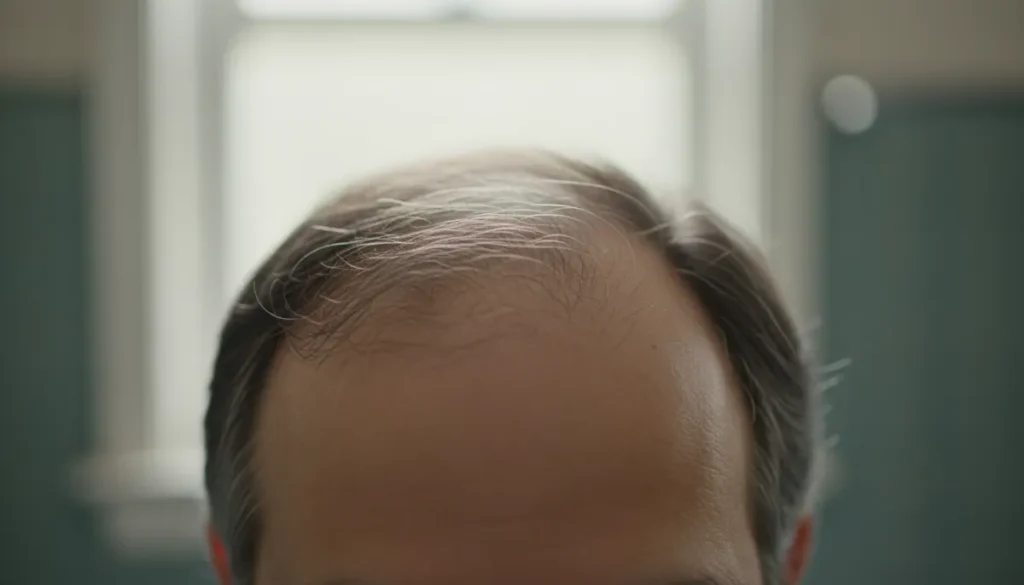
Understanding the Underlying Causes
Identifying the root cause behind the signs of thinning hair male is essential for selecting an effective treatment plan. The most common drivers include genetic, hormonal, and environmental factors.
Genetic Factors: Androgenetic Alopecia
Androgenetic alopecia, often referred to as male pattern baldness, accounts for up to 95% of hair loss in men. This condition is linked to the sensitivity of hair follicles to dihydrotestosterone (DHT), a hormone derived from testosterone. Over time, DHT shrinks follicles, shortening the growth phase and producing finer hairs.
Hormonal Influences
Beyond DHT, fluctuations in thyroid hormones, cortisol (stress hormone), and even certain medications can accelerate thinning. Men experiencing significant stress or undergoing hormonal therapy may notice a rapid increase in shedding.
Environmental and Lifestyle Triggers
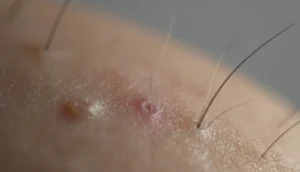
Factors such as poor nutrition, smoking, excessive heat styling, and harsh chemical treatments can damage the scalp microenvironment, leading to weakened follicles. Chronic inflammation from scalp conditions like seborrheic dermatitis also contributes to hair loss.
Below is a concise list of common causes and their typical presentation:
- Androgenetic alopecia: Gradual recession of hairline, crown thinning.
- Telogen effluvium (stress‑related shedding): Diffuse thinning across the scalp.
- Alopecia areata: Patchy, round bald spots.
- Traction alopecia: Hair loss along the hairline from tight hairstyles.
- Nutrient deficiencies (iron, zinc, biotin): Overall thin, brittle hair.
Understanding which of these mechanisms aligns with your personal pattern helps clinicians at Gold City Hair design a targeted approach, whether through medication, lifestyle modification, or surgical restoration.
How to Differentiate Normal Shedding from Problematic Thinning
Every individual experiences a natural hair cycle that includes shedding, but distinguishing normal loss from the signs of thinning hair male can be tricky. Below are practical guidelines to help you assess the situation accurately.
Timeline and Quantity
Normal shedding typically peaks after major life events (illness, surgery, significant weight loss) and resolves within a few months. In contrast, problematic thinning persists beyond three months and often escalates despite a stable lifestyle.
Pattern Recognition
Observe the distribution of loss. Uniform thinning across the entire scalp suggests telogen effluvium, while a receding frontal hairline or crown pattern points toward androgenetic alopecia.
Hair Shaft Examination
Pull a single strand gently; healthy hair will feel thick and resilient. Fine, brittle strands that break easily are a sign of follicular miniaturization—a hallmark of progressive thinning.
Use the following checklist to self‑evaluate:
- Do you lose more than 100 hairs per day?
- Is there a noticeable widening of your part line?
- Do you see scalp visibility in specific zones (crown, temples)?
- Has the change occurred gradually over several months?
- Are you experiencing additional symptoms such as itching or redness?
If you answer “yes” to three or more items, it is advisable to schedule a consultation. Early professional assessment can confirm whether the observed patterns match the signs of thinning hair male and determine the most appropriate intervention.
Effective Lifestyle and Home Remedies
While medical treatments are often necessary for advanced cases, several lifestyle adjustments can mitigate the early signs of thinning hair male and promote a healthier scalp environment.
Nutrition and Supplements
Hair follicles thrive on a balanced supply of proteins, iron, zinc, and vitamins A, C, D, and E. Incorporate foods such as lean meats, legumes, leafy greens, nuts, and fatty fish. Supplements like biotin, marine collagen, and saw‑tooth oak have shown modest benefits in supporting hair density.
Scalp Care Routine
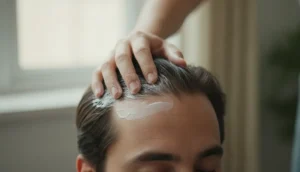
Gentle cleansing with a sulfate‑free shampoo helps maintain natural oils without stripping the scalp. Regular scalp massage stimulates blood flow, delivering nutrients to the follicles. Consider using a silicone‑free conditioner to avoid buildup that can clog pores.
Stress Management
Chronic stress elevates cortisol, which can push hair follicles into the telogen (resting) phase. Practices such as meditation, yoga, and regular aerobic exercise have been linked to reduced hair shedding.
Avoiding Physical Damage
Limit the use of high‑heat styling tools, tight hairstyles, and harsh chemical treatments. When using a hairdryer, keep it on a low‑heat setting and maintain a safe distance from the scalp.
Here is a quick reference table summarizing daily habits that support hair health:
| Habit | Benefit |
|---|---|
| Balanced diet rich in protein & micronutrients | Provides building blocks for keratin production |
| Scalp massage 5 minutes daily | Improves microcirculation to follicles |
| Stress‑relief activities (meditation, exercise) | Reduces cortisol‑induced telogen shift |
| Gentle, sulfate‑free shampoo | Preserves natural scalp oils |
Adopting these practices can slow the progression of the signs of thinning hair male and create a solid foundation for any medical or surgical treatment you may pursue later.
When to Seek Professional Treatment
Recognizing the signs of thinning hair male is only the first step; knowing when to transition from home care to clinical intervention can make a decisive difference in outcomes.
Indicators for a Specialist Consultation
- Rapid progression of thinning over a few months.
- Family history of early‑onset androgenetic alopecia.
- Presence of patterned recession (temples or crown) that interferes with personal or professional confidence.
- Failure of lifestyle changes to halt further loss after 3–6 months.
- Accompanying scalp conditions (inflammation, itching, scaling).
Available Medical Options
Gold City Hair offers a range of evidence‑based treatments tailored to individual needs:
- Finasterid – oral medication that reduces DHT production.
- Topical minoxidil – stimulates follicular activity.
- Platelet‑rich plasma (PRP) therapy – uses your own blood growth factors to revitalize follicles.
- Low‑level laser therapy (LLLT) – non‑invasive light treatment that improves cellular metabolism.
Surgical Restoration: FUE and DHI
For men with moderate to advanced thinning, follicular unit extraction (FUE) and direct hair implantation (DHI) provide permanent, natural‑looking results. These procedures relocate healthy follicles from a donor area (typically the back of the head) to thinning zones, preserving the original hairline’s aesthetics.
Choosing the right approach begins with a thorough evaluation by a board‑certified surgeon at Gold City Hair, where personalized treatment plans are crafted based on your unique pattern of hair loss, scalp health, and aesthetic goals.
In summary, if you notice any of the early signs of thinning hair male persisting beyond a few months, or if the visual changes affect your confidence, it is time to schedule a professional assessment.
Why Choose Gold City Hair
Gold City Hair has been delivering personalized hair restoration solutions in Turkey since 2017. Our team combines advanced FUE and DHI techniques with a patient‑first philosophy, ensuring transparent communication at every stage. By focusing on individual scalp assessments and customized treatment plans, we help men regain natural density and confidence. Choose Gold City Hair for clinically proven results, state‑of‑the‑art facilities, and a commitment to your long‑term hair health.
Ready to take control of your hair future? Contact Gold City Hair today to schedule a comprehensive scalp analysis and discover the most effective solution for your unique pattern of thinning. Regain confidence with a treatment plan that’s tailored just for you.
SSS
What are the first signs of male hair thinning?
The earliest signs include a widening part line, increased scalp visibility on the crown or temples, and finer, shorter hairs.
How can I tell if my shedding is normal or a sign of thinning?
Normal shedding is usually 50‑100 hairs daily and resolves within weeks, while problematic thinning exceeds 100 hairs daily and persists beyond three months.
What causes male hair thinning?
The main causes are androgenetic alopecia, hormonal changes, genetics, and lifestyle or environmental factors.
Can lifestyle changes slow down hair thinning?
Yes, balanced nutrition, scalp massage, stress management, and gentle hair care can reduce progression.
When should I see a specialist for hair thinning?
Seek a professional if thinning progresses rapidly, runs in the family, or does not improve after 3‑6 months of home care.
What medical options are available for male hair thinning?
Common options include oral finasteride, topical minoxidil, platelet‑rich plasma, and hair transplant surgery.