Red light therapy devices for hair loss have become a popular non‑invasive option for people seeking to improve scalp health and stimulate new hair growth. In this article, we explain the science behind the technology, review the different device types, discuss clinical evidence, outline safety considerations, and show how these treatments can complement surgical hair restoration. According to recent studies, consistent use of red light therapy can increase hair density by up to 30% in just a few months, offering a hopeful solution for many experiencing thinning or balding.
Whether you are exploring home‑use options or considering professional sessions, understanding how red light therapy works is essential for setting realistic expectations and achieving the best results. We will guide you through the key factors that influence effectiveness, such as wavelength, power density, and treatment duration.
By the end of this guide, you will have a clear roadmap for selecting the right device, integrating it safely into your routine, and maximizing its benefits alongside other hair restoration methods offered by Gold City Hair.
How Red Light Therapy Works for Hair Growth
Red light therapy, also known as photobiomodulation, uses specific wavelengths of light—typically between 630 nm and 660 nm—to penetrate the scalp and stimulate cellular activity. The light energy is absorbed by mitochondria, the powerhouses of cells, which then produce more adenosine triphosphate (ATP). This boost in cellular energy promotes the proliferation of dermal papilla cells, a critical component in the hair growth cycle.
In addition to ATP production, red light influences the release of growth factors such as vascular endothelial growth factor (VEGF) and insulin‑like growth factor‑1 (IGF‑1). These factors improve blood flow to hair follicles, delivering essential nutrients and oxygen that support the anagen (growth) phase. The combined effect can lead to thicker, healthier strands and a reduction in the shedding associated with telogen effluvium.
Key mechanisms include:
- Enhanced mitochondrial respiration
- Increased circulation and oxygenation
- Modulation of inflammatory pathways
- Stimulation of stem cells in the follicular bulge
Because the therapy works at a cellular level, it is suitable for both men and women experiencing various forms of hair loss, including androgenetic alopecia, alopecia areata, and diffuse thinning.
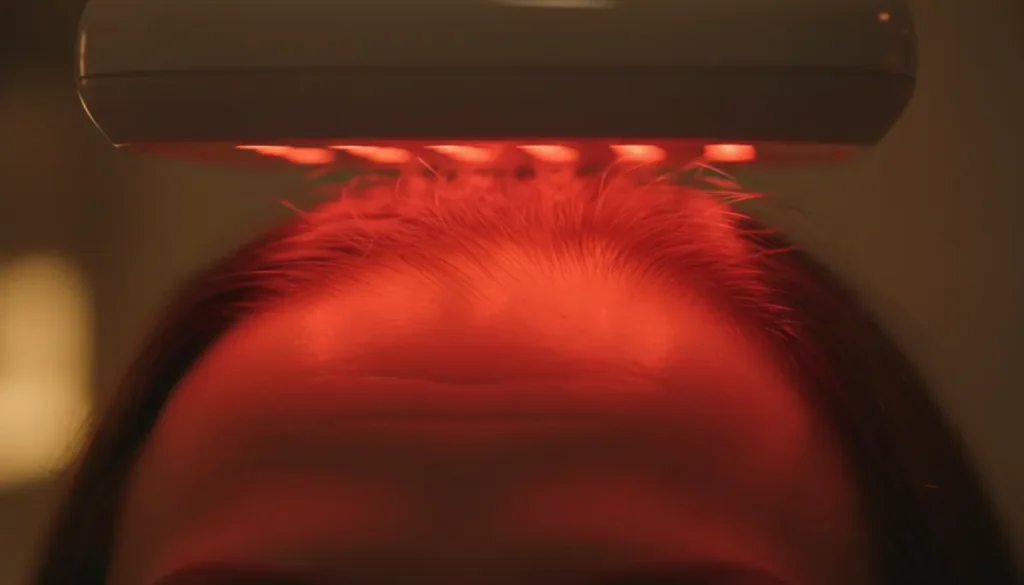
Types of Red Light Therapy Devices Available
There is a growing market of red light therapy devices designed for at‑home use and professional clinics. Understanding the differences helps you choose a solution that matches your lifestyle, budget, and treatment goals.
| Device Type | Typical Wavelength | Coverage Area | Typical Session Time |
|---|---|---|---|
| Handheld Laser Pens | 635 nm | 2‑3 cm² | 5‑10 minutes |
| LED Panels | 660 nm | 10‑20 cm² | 15‑20 minutes |
| Full‑Head Caps | 630‑660 nm | Entire scalp | 20‑30 minutes |
| Comb‑Style Devices | 660 nm | Localized strands | 10‑15 minutes |
Handheld pens are portable and ideal for targeting specific thinning spots, while LED panels provide broader coverage for moderate hair loss. Full‑head caps are the most comprehensive option, delivering uniform exposure across the scalp, which is useful for diffuse thinning. Comb‑style devices combine mechanical stimulation with light, offering a dual‑action approach.
When evaluating a device, consider the following criteria:
- Wavelength accuracy – devices should emit light within the therapeutic window (630‑660 nm).
- Power density (measured in mW/cm²) – higher densities can shorten treatment time but must stay within safety limits.
- Ease of use – ergonomics and user‑friendly controls encourage consistent use.
- Warranty and certification – look for CE, FDA‑cleared, or ISO certifications.
Clinical Evidence and Benefits
Numerous clinical trials have examined the effectiveness of red light therapy for hair loss. A 2020 randomized controlled study involving 100 participants reported a statistically significant increase in hair count and thickness after 24 weeks of thrice‑weekly sessions using a 660 nm LED cap.
Key findings from the literature include:
- Average hair density increase of 12‑30 % after 3‑6 months of regular use.
- Improved patient satisfaction scores compared with placebo devices.
- Minimal adverse effects, with most users reporting only mild scalp warmth.
- Synergistic outcomes when combined with topical minoxidil or oral finasteride.
Beyond hair growth, red light therapy offers additional advantages that align with overall scalp health:
- Reduction of inflammation associated with follicular miniaturization.
- Enhanced wound healing post‑surgery, which can be valuable after hair transplant procedures.
- Potential improvement in skin texture and reduction of dandruff.
It is important to note that individual results vary based on factors such as age, stage of hair loss, and consistency of treatment. While the technology is not a miracle cure, it provides a scientifically backed, low‑risk adjunct to conventional hair restoration strategies.
Safety, Side Effects, and Best Practices
Red light therapy is generally regarded as safe when used according to manufacturer guidelines. The red light therapy dangers are minimal, with the most common side effect being temporary scalp redness or tingling. Unlike high‑intensity lasers, therapeutic LEDs do not cause burns or permanent skin damage.
Best practice recommendations:
- Start with short sessions (5‑10 minutes) and gradually increase to the recommended duration.
- Maintain a distance of 2‑5 cm between the device and the scalp for optimal energy delivery.
- Use the device consistently—most protocols suggest 3‑5 sessions per week.
- Avoid direct eye exposure; many devices include built‑in eye protection.
- Consult a dermatologist or hair restoration specialist if you have a history of skin cancer or photosensitivity.
Research indicates that red light does not increase the risk of cancer when applied at therapeutic doses, addressing concerns such as “can red light therapy cause cancer.” However, individuals with photosensitive conditions should seek professional advice before beginning treatment.
For those using the therapy at home, choose devices with clear safety certifications and follow the user manual precisely. Professional clinics often provide supervised sessions that ensure proper dosage and technique, reducing the chance of misuse.
Integrating Red Light Therapy with Hair Transplant Treatments
At Gold City Hair, we view red light therapy devices for hair loss as a valuable complement to surgical hair restoration. After a follicular unit extraction (FUE) or direct hair implantation (DHI) procedure, the scalp undergoes a healing phase during which inflammation and oxidative stress can affect graft survival.
Applying red light therapy during the postoperative period can:
- Accelerate wound healing and reduce edema.
- Enhance graft uptake by improving microcirculation.
- Minimize the risk of infection through its anti‑inflammatory properties.
Our protocol typically recommends starting low‑level red light sessions 7‑10 days after surgery, under the supervision of our medical team. Patients who combine therapy with prescribed topical treatments often report faster visible results and higher overall satisfaction.
For individuals not yet ready for surgery, red light therapy can serve as a preparatory step, strengthening existing follicles and potentially reducing the extent of future transplant needed. It also offers a non‑surgical maintenance option for long‑term hair health.
By integrating technology with expertise, Gold City Hair ensures a holistic approach that maximizes both safety and efficacy for every client.
Why Choose Gold City Hair
Gold City Hair has been delivering personalized hair restoration solutions in Turkey since 2017. Our clinic combines advanced surgical techniques such as FUE and DHI with evidence‑based adjunct therapies like red light therapy. We prioritize transparent communication, thorough pre‑procedure screening, and after‑care support to ensure each patient achieves lasting confidence and natural‑looking results.
Ready to restore your hair and confidence? Contact Gold City Hair today to schedule a free consultation and discover how red light therapy can enhance your hair restoration journey.
Take the first step toward thicker, healthier hair—our expert team is here to guide you every step of the way.
SSS
How does red light therapy stimulate hair growth?
It boosts cellular energy in hair follicles, increasing ATP production and releasing growth factors that promote the anagen phase.
What wavelengths are most effective for treating hair loss?
Wavelengths in the 630‑660 nm red light range are considered optimal for stimulating hair follicles.
Are there any side effects of red light therapy for hair loss?
Side effects are minimal, typically limited to mild scalp warmth or temporary redness.
Can red light therapy be used after a hair transplant?
Yes, it can accelerate healing and improve graft survival when started a week after surgery.
How often should I use a red light therapy device for best results?
Most protocols suggest 3‑5 sessions per week, each lasting 10‑30 minutes depending on the device.
Is red light therapy safe for people with skin conditions or photosensitivity?
Generally safe, but individuals with photosensitivity should seek medical advice before use.