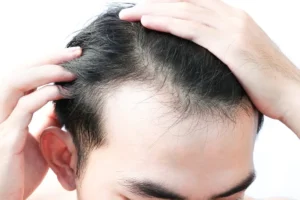
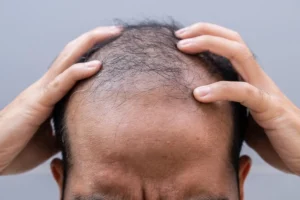
Understanding how to regain hair loss from stress is essential for anyone who has noticed thinning strands after a demanding period at work, a personal crisis, or chronic anxiety. Stress can push a large number of hair follicles into the resting phase, leading to noticeable shedding within weeks. According to dermatological studies, up to 30% of acute hair shedding cases are linked to stressful events.
This article explains the biological mechanisms behind stress‑related hair loss, outlines practical lifestyle adjustments, reviews the most effective hair growth products, and clarifies when a professional hair restoration procedure may be the right solution. By the end, you’ll have a clear roadmap to restore confidence and a fuller head of hair.
Whether you are dealing with temporary thinning or looking for long‑term solutions, the steps below combine scientific insight with real‑world results, helping you move from concern to confidence.
Understanding Stress‑Related Hair Loss
Stress‑induced shedding is most commonly identified as telogen effluvium, a condition where hair follicles prematurely enter the telogen (resting) phase. Unlike androgenetic alopecia, telogen effluvium usually results in diffuse thinning rather than patterned baldness.
Key factors that trigger telogen effluvium include:
- Acute emotional or physical stress (e.g., job loss, illness)
- Severe sleep deprivation
- Rapid weight loss or restrictive dieting
- Hormonal fluctuations (post‑partum, thyroid disorders)
- Medications such as anticoagulants or retinoids
Because the hair cycle is synchronized, a large number of hairs can fall out simultaneously, creating the impression of rapid baldness. The condition is usually reversible once the underlying stressor is managed.
| Feature | Telogen Effluvium | Androgenetik Alopesi |
|---|---|---|
| Pattern | Diffuse thinning across scalp | Receding hairline, crown thinning |
| Onset | 2‑4 months after stressor | Gradual over years |
| Hair Follicle Damage | Temporary, reversible | Permanent miniaturization |
Recognizing these differences helps you choose the most appropriate treatment pathway. If your shedding began shortly after a stressful episode and is evenly distributed, telogen effluvium is likely the cause.

Lifestyle Changes to Support Hair Regrowth
Addressing the root cause of stress is the most powerful way to halt further hair loss and encourage regrowth. Below are evidence‑based lifestyle adjustments that directly influence the hair growth cycle.
Stres Yönetimi Teknikleri
- Mindfulness meditation – 10‑15 minutes daily reduces cortisol levels.
- Regular aerobic exercise – boosts circulation and promotes nutrient delivery to follicles.
- Structured breathing exercises – can lower sympathetic nervous system activity.
Nutrition for Stronger Hair
Hair follicles require a steady supply of vitamins and minerals. Incorporate these foods into your diet:
- Protein‑rich sources: lean poultry, fish, legumes (supports keratin synthesis).
- Iron‑rich foods: spinach, lentils, red meat (prevents anemia‑related shedding).
- Omega‑3 fatty acids: salmon, chia seeds (reduces inflammation).
- Biotin‑rich options: eggs, nuts, sweet potatoes (supports hair growth).
Sleep Hygiene
Aim for 7‑9 hours of quality sleep per night. Poor sleep disrupts hormone balance, particularly cortisol and growth hormone, both of which are critical for hair follicle health.
Implement a wind‑down routine: dim lights an hour before bedtime, avoid screens, and keep the bedroom cool.
By integrating these habits, you create an internal environment where hair follicles can return to the anagen (growth) phase, setting the stage for natural regrowth.
Effective Topical and Oral Treatments
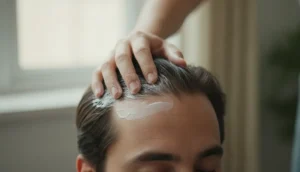
When lifestyle changes alone are insufficient, targeted hair growth products can accelerate recovery. Below is a concise overview of the most commonly recommended options for stress‑related shedding.
| Product Type | Key Ingredients | How It Works | Typical Use |
|---|---|---|---|
| Minoxidil (2%/5%) | Minoxidil | Vasodilation improves blood flow to follicles | Apply twice daily to scalp |
| Finasterid | Finasteride 1 mg | Inhibits DHT formation, slowing follicle miniaturization | Oral tablet once daily (prescription) |
| Biotin & Vitamin Complex | Biotin, Vitamin B6, Vitamin D, Zinc | Supports keratin production and overall follicle health | Oral supplement daily |
| Peptide‑Based Serums | Copper peptides, growth factors | Stimulate cellular signaling for anagen phase | Apply to scalp 1‑2 times per week |
For many patients, a combination of minoxidil and a biotin‑rich vitamin supplement yields visible improvements within three to six months. Finasterid is typically reserved for male‑pattern hair loss but can be discussed with a specialist if androgenic factors coexist with stress‑induced shedding.
Always consult a qualified dermatologist or hair‑restoration professional before starting oral medications, especially if you have underlying health conditions.
When to Consider Professional Hair Restoration
If hair loss persists beyond six months despite lifestyle optimization and topical therapy, or if you notice permanent thinning patterns, it may be time to explore surgical options. Modern hair transplant techniques, such as FUE (Follicular Unit Extraction) ve DHI (Doğrudan Saç İmplantasyonu), provide natural‑looking, long‑lasting results.
Ideal Candidates for Transplant
- Stable hair loss for at least one year
- Adequate donor hair density in the occipital region
- Realistic expectations regarding density and coverage
Choosing the Right Technique
| Technique | Key Advantage | Typical Recovery Time |
|---|---|---|
| FUE | Minimally invasive, no linear scar | 7‑10 days |
| DHI | Higher graft survival, precise depth control | 5‑9 days |
| Eyebrow/Beard Transplant | Specialized for facial hair restoration | 7‑12 days |
Turkey has become a global hub for high‑quality, cost‑effective hair transplants, and clinics such as Gold City Hair combine experienced surgeons with state‑of‑the‑art facilities. A thorough pre‑operative assessment will determine whether a transplant can address both stress‑related thinning and any underlying genetic factors.
Maintaining Results and Long‑Term Care
Whether you achieve regrowth through lifestyle changes, medical therapy, or a surgical transplant, ongoing care is vital to preserve density.
Daily Hair Care Routine
- Use a gentle, sulfate‑free shampoo twice a week.
- Avoid tight hairstyles that pull on the scalp.
- Limit heat styling and harsh chemical treatments.
- Apply a light serum containing peptides or antioxidants after washing.
Follow‑Up and Monitoring
Schedule regular check‑ups with your hair specialist every 3‑6 months. Monitoring allows adjustments to medication dosages, evaluation of transplant graft health, and early detection of any new stress‑related shedding.
Continuing the stress‑reduction practices that helped you initially is equally important. Chronic cortisol elevation can undermine even the most advanced treatments, so prioritize mental well‑being alongside physical care.
Why Choose Gold City Hair
Gold City Hair has been delivering personalized hair restoration solutions in Turkey since 2017. Our clinic combines the latest FUE and DHI technologies with a patient‑centered approach, ensuring transparent communication at every step. Whether you need a non‑surgical regimen for stress‑related shedding or a full‑scale transplant, our experienced team tailors each plan to your unique needs, helping you regain confidence and a natural‑looking hairline.
Ready to start your journey toward thicker, healthier hair? Contact Gold City Hair today for a free consultation and discover the best plan for your stress‑related hair loss.
SSS
What is telogen effluvium and how does stress trigger it?
Telogen effluvium is a temporary form of hair shedding where many follicles enter the resting phase at once, often caused by acute physical or emotional stress.
Which lifestyle changes are most effective for reversing stress‑related hair loss?
Stress management, balanced nutrition, and good sleep hygiene are the three pillars that support hair regrowth after stress‑induced shedding.
Are topical treatments like minoxidil effective for stress‑related shedding?
Yes, minoxidil can accelerate regrowth by improving scalp blood flow, especially when combined with lifestyle changes and supplements.
When should someone consider a hair transplant for stress‑induced thinning?
If shedding persists beyond six months despite non‑surgical measures or if permanent thinning patterns develop, a transplant may be appropriate.
What daily hair‑care routine helps maintain results after regrowth?
Use a gentle sulfate‑free shampoo, avoid tight hairstyles, limit heat, and apply a light peptide or antioxidant serum after washing.
Why choose Gold City Hair for treating stress‑related hair loss?
Gold City Hair combines experienced surgeons, advanced FUE/DHI technology, and personalized non‑surgical programs tailored to stress‑induced shedding.