Understanding how to reverse thinning hair after menopause begins with recognizing that hormonal shifts, lifestyle factors, and genetics all play a role in post‑menopausal hair loss. Millions of women notice increased shedding during this stage, and the emotional impact can be significant. In this article we explore the science behind hair thinning, practical nutrition and lifestyle changes, medical and cosmetic treatments, and natural home remedies that together offer a comprehensive plan to regain a fuller, healthier head of hair.
We’ll start by examining the underlying causes, then move on to actionable steps you can take today. Whether you prefer non‑invasive options or are considering a hair transplant, the information provided will help you make informed decisions and set realistic expectations for results.
By the end of this guide, you’ll have a clear roadmap for addressing thinning hair after menopause, empowering you to take control of your hair health and boost your confidence.
Understanding Post‑Menopausal Hair Thinning
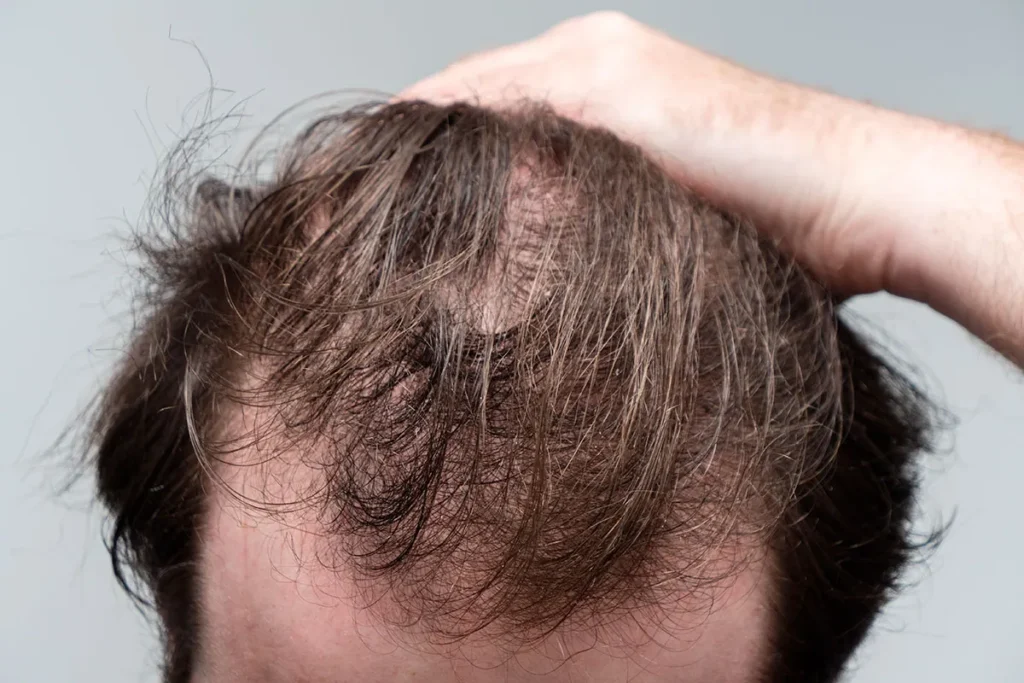
After menopause, estrogen levels drop dramatically, while relative androgen levels may rise. This hormonal imbalance can shorten the hair growth phase (anagen) and increase the proportion of hairs in the shedding phase (telogen), leading to what is commonly referred to as female pattern hair loss. Other contributing factors include:
- Genetic predisposition (androgenetic alopecia women)
- Nutrient deficiencies such as iron, zinc, and biotin
- Stress and poor sleep quality
- Thyroid disorders and other medical conditions
- Harsh hair care practices that cause mechanical damage
Understanding these triggers is essential because it guides the selection of targeted interventions. For example, if iron deficiency is identified, supplementation can dramatically improve hair density. Likewise, managing stress through mindfulness or exercise can reduce cortisol‑related hair shedding.
Research indicates that up to 40 % of women experience noticeable hair thinning within five years of menopause, making early detection and proactive treatment crucial.
Nutrition and Lifestyle Strategies to Support Hair Growth
Diet plays a pivotal role in hair health. Consuming a balanced mix of proteins, healthy fats, and micronutrients can strengthen follicles and promote regrowth. Below is a concise guide to the most beneficial nutrients for reversing thinning hair after menopause:
| Nutrient | Key Food Sources | Benefit for Hair |
|---|---|---|
| Protein | Lean poultry, fish, legumes, Greek yogurt | Provides amino acids essential for keratin production |
| Iron | Spinach, lentils, red meat, fortified cereals | Prevents iron‑deficiency anemia, a common cause of hair shedding |
| Omega‑3 Fatty Acids | Salmon, walnuts, flaxseeds | Reduces inflammation and improves scalp circulation |
| Biotin (Vitamin B7) | Egg yolks, almonds, sweet potatoes | Supports keratin infrastructure and hair elasticity |
| Zinc | Pumpkin seeds, chickpeas, beef | Regulates oil gland activity and hair‑follicle growth cycle |
In addition to diet, lifestyle habits such as regular aerobic exercise, adequate sleep (7‑9 hours), and stress‑reduction techniques (yoga, meditation) help maintain hormonal balance and improve blood flow to the scalp.
Supplements can be useful when dietary intake is insufficient, but it’s advisable to consult a healthcare professional before starting any regimen, especially if you are on medication or have underlying health conditions.
Medical and Cosmetic Treatments Available
When lifestyle changes alone are insufficient, medical interventions can accelerate results. The most widely studied options for women experiencing post‑menopausal thinning include:
- Topical Minoxidil (2 % or 5 %) – FDA‑approved for female pattern hair loss; stimulates follicular activity.
- Low‑Level Laser Therapy (LLLT) – Red light devices that improve cellular metabolism in hair follicles.
- Platelet‑Rich Plasma (PRP) Injections – Autologous growth factors that promote tissue regeneration.
- Oral Anti‑Androgens (e.g., spironolactone) – Reduce the effect of excess androgens on hair follicles.
- Hair Transplant Surgery (FUE, DHI) – Permanent relocation of healthy follicles to thinning zones.
The table below compares these treatments on key criteria:
| Treatment | Typical Sessions | Effectiveness (Hair Density Increase) | Invasiveness | Cost Range (USD) |
|---|---|---|---|---|
| Minoxidil | Twice daily application | 10‑20 % increase after 6‑12 months | Non‑invasive | $30‑$100 per month |
| LLLT | 3‑5 sessions/week | 15‑25 % increase after 12 months | Non‑invasive | $200‑$1,500 (device) |
| PRP | 3‑4 sessions annually | 20‑30 % increase after 6‑12 months | Minimal invaziv | $500‑$1,200 per session |
| Oral Anti‑Androgens | Daily oral dose | Variable; often combined with minoxidil | Systemic medication | $20‑$150 per month |
| Hair Transplant (FUE/DHI) | 1‑2 days surgery | 30‑50 % permanent increase | Surgical | $2,000‑$8,000 (depends on graft count) |
Choosing the right approach depends on the severity of thinning, personal preferences, and budget. Combining treatments—such as using minoxidil alongside PRP—often yields synergistic benefits.
Natural Home Remedies and Hair Care Practices
While medical options are powerful, many women appreciate gentler, at‑home solutions that complement other treatments. Below are evidence‑based natural practices that can help reverse thinning hair after menopause when used consistently:
- Scalp Massage – 5‑10 minutes daily with fingertips improves blood flow and stimulates follicle activity.
- Essential Oil Blends – Rosemary or peppermint oil diluted in a carrier oil has been shown to promote growth.
- Cold Water Rinse – Closing the cuticle reduces porosity and enhances shine, reducing breakage.
- Silk or Satin Pillowcases – Minimize friction and prevent hair breakage during sleep.
- Avoiding Tight Hairstyles – Reduces traction alopecia, a common cause of additional shedding.
Choosing the right shampoo and conditioner also matters. Look for products that are sulfate‑free, contain biotin, and have a pH balanced around 5.5 to maintain scalp health.
Consistency is key; results typically appear after 3‑6 months of daily care. Pairing these habits with a nutritious diet amplifies the overall effect.
When to Consider Professional Hair Transplant Options
If hair thinning persists despite comprehensive lifestyle, nutritional, and medical interventions, a permanent solution may be appropriate. Hair transplantation—specifically Follicular Unit Extraction (FUE) and Direct Hair Implantation (DHI)—offers natural‑looking, long‑lasting results for women with stable donor areas.
Key indicators that you may benefit from a transplant include:
- Stable hair loss for at least 12 months (no rapid progression)
- Adequate donor hair density in the occipital region
- Desire for a low‑maintenance, permanent outcome
- Willingness to invest in a surgical procedure and follow post‑op care
During a consultation, the surgeon assesses scalp laxity, hair characteristics, and overall health to design a personalized graft plan. Modern techniques such as DHI allow for higher graft survival rates and precise placement, which is especially important for achieving a natural hairline in women.
Choosing an experienced clinic ensures that you receive meticulous care from the initial assessment through the recovery phase. The results are typically visible within 6‑12 months, with continued thickening up to 18 months post‑procedure.
Why Choose Gold City Hair
Gold City Hair combines over six years of expertise in advanced hair restoration with a patient‑first philosophy. Our clinic in Turkey specializes in FUE and DHI techniques performed by board‑certified surgeons who tailor each procedure to the unique needs of women experiencing post‑menopausal thinning. We prioritize transparent communication, thorough pre‑operative assessments, and post‑treatment support to ensure optimal outcomes and lasting confidence.
Ready to take the next step toward fuller, healthier hair? Contact Gold City Hair today for a personalized consultation and discover the most effective treatment plan for your needs.
Reclaim your confidence—schedule your appointment now.
SSS
What causes hair thinning after menopause?
Hormonal changes, nutrient deficiencies, stress, thyroid issues, and harsh hair care practices can all contribute.
Which nutrients are most important for reversing post‑menopausal hair loss?
Protein, iron, omega‑3 fatty acids, biotin, and zinc are key for hair regrowth.
How effective is topical minoxidil for women with menopause‑related thinning?
Minoxidil can increase hair density by 10‑20% after 6‑12 months of twice‑daily use.
Can low‑level laser therapy (LLLT) help restore hair after menopause?
Yes, LLLT can boost hair density by 15‑25% after about a year of regular sessions.
When should a woman consider a hair transplant for menopause‑related thinning?
Consider a transplant when hair loss is stable for at least 12 months and donor hair density is adequate.
What are some natural home remedies that support hair regrowth after menopause?
Scalp massage, essential oil blends, cold water rinses, silk pillowcases, and gentle hair care products can help.





