Effective scalp treatments are essential for anyone struggling with itching, flaking, or hair loss caused by common scalp conditions. This article explores the most prevalent issues—such as psoriasis, seborrheic dermatitis, and dandruff—and outlines both clinical and at‑home solutions that can help you achieve a healthier scalp.
Did you know that up to 50 % of the population experiences some form of scalp irritation during their lifetime? Ignoring these symptoms can lead to discomfort, visible redness, and even hair thinning. Understanding the root cause is the first step toward lasting relief.
We’ll cover the science behind each condition, review professional scalp treatments available at leading clinics, and share practical home‑care tips. Whether you’re dealing with a persistent dry scalp or seeking long‑term management for psoriasis, the information below will guide you toward a clearer, more comfortable scalp.
Understanding Common Scalp Conditions
Before selecting a treatment, it’s important to recognize the specific condition affecting your scalp. While symptoms often overlap, each disorder has unique triggers and optimal management strategies.
Scalp Psoriasis
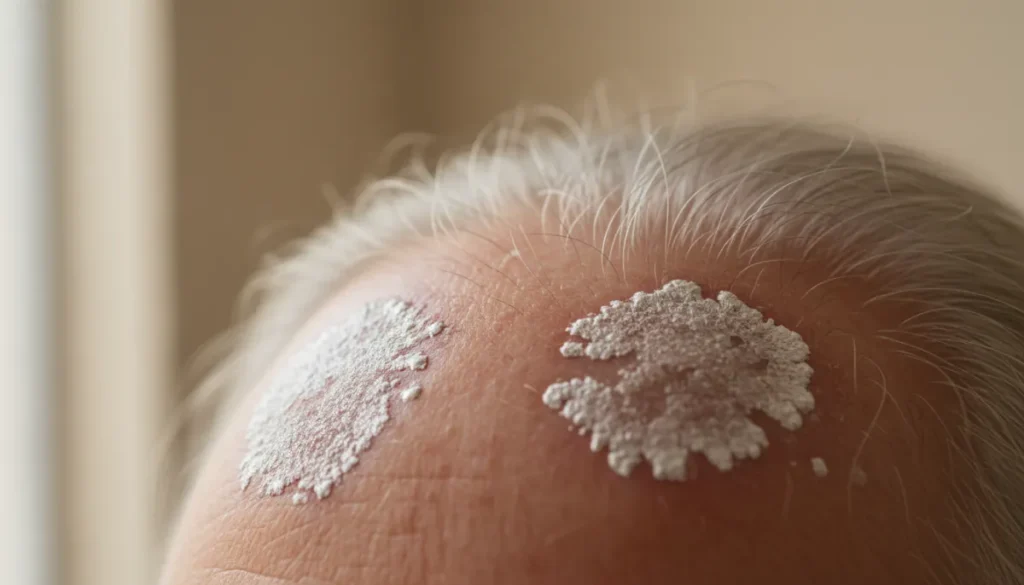
Scalp psoriasis appears as thick, silvery plaques that can be itchy and painful. It is a chronic autoimmune condition, and treatment typically involves topical steroids, vitamin D analogues, and medicated shampoos.
Seboreik Dermatit
Also known as seborrhea, this condition causes oily, yellowish flakes and redness. It is linked to an overgrowth of Malassezia yeast and often responds to antifungal shampoos and anti‑inflammatory creams.
Dandruff and Dry Scalp
While dandruff is usually mild, a dry scalp can cause persistent itching and irritation. Both can be managed with gentle cleansing, moisturising treatments, and occasional exfoliation.
| Condition | Key Symptoms | Typical Treatments |
|---|---|---|
| Scalp Psoriasis | Silvery plaques, itching, soreness | Topical steroids, vitamin D analogues, medicated shampoo |
| Seboreik Dermatit | Oily flakes, redness, itching | Antifungal shampoo, anti‑inflammatory cream |
| Dry Scalp / Dandruff | White flakes, tightness, mild itching | Moisturising shampoo, gentle exfoliation, scalp oil |
Professional Scalp Treatment Options
When over‑the‑counter products aren’t enough, clinical scalp treatments can provide deeper relief. Dermatologists and hair‑restoration clinics offer a range of procedures tailored to specific conditions.
Platelet‑Rich Plasma (PRP) Therapy
PRP involves injecting concentrated platelets from your own blood into the scalp to stimulate healing and reduce inflammation. It’s effective for both psoriasis‑related inflammation and hair‑follicle rejuvenation.
Laser Therapy
Low‑level laser devices improve microcirculation and can lessen the severity of seborrheic dermatitis. Sessions are painless and typically last 15‑20 minutes.
Medical‑Grade Shampoos and Topical Medications
Prescription shampoos containing ketoconazole, coal tar, or salicylic acid target the root causes of dandruff and seborrhea. For psoriasis, topical corticosteroids and calcipotriene are standard psoriasis treatment options.
- Ketoconazole shampoo – antifungal, reduces Malassezia yeast.
- Coal tar shampoo – slows skin cell turnover, ideal for psoriasis.
- Salicylic acid – gentle exfoliation for dry scalp.
Choosing the right clinic ensures that you receive a personalized plan, often combining several modalities for optimal results.
At‑Home Care and Natural Remedies
Many scalp issues can be managed effectively with consistent at‑home routines. While these methods may not replace professional care for severe conditions, they are valuable for maintenance and mild cases.
How to Get Rid of Dandruff
Regular use of a gentle anti‑dandruff shampoo, followed by a thorough rinse, can control flaking. Look for ingredients like zinc pyrithione or selenium sulfide.
Itchy Scalp Treatment Tips
For an itchy scalp, soothing scalp masks made from aloe vera, tea tree oil, or oat extract can provide immediate relief. Avoid hot water, which can strip natural oils.
Dry Scalp Medications and Moisturizers
When the scalp feels tight and dry, applying a lightweight oil—such as jojoba or argan—after washing helps lock in moisture. For persistent dryness, a medicated scalp serum containing hyaluronic acid may be recommended.
- Choose a sulfate‑free shampoo to prevent further dryness.
- Massage the scalp gently for 2‑3 minutes during each wash.
- Rinse with lukewarm water, not hot.
- Apply a nourishing oil or serum while the scalp is still damp.
Integrating Scalp Treatments with Hair Restoration
For patients undergoing hair transplantation, maintaining a healthy scalp is crucial for graft survival. Combining targeted scalp treatments with hair‑restoration procedures can enhance outcomes.
Pre‑Procedure Scalp Preparation
Before a FUE or DHI transplant, dermatologists often prescribe a short course of anti‑inflammatory shampoos to reduce existing scalp irritation. This creates an optimal environment for graft implantation.
Post‑Procedure Care
After surgery, gentle cleansing and the use of soothing serums help prevent infection and promote healing. PRP or low‑level laser therapy can be scheduled to accelerate tissue regeneration.
| Stage | Recommended Scalp Treatment | Purpose |
|---|---|---|
| Pre‑Transplant | Antifungal shampoo, mild corticosteroid cream | Reduce inflammation, clear skin surface |
| During Transplant | Local anesthetic with anti‑bacterial properties | Ensure comfort, prevent infection |
| Post‑Transplant | PRP therapy, soothing scalp serum | Accelerate healing, support graft survival |
Why Choose Gold City Hair
Gold City Hair has been delivering personalized aesthetic and cosmetic solutions since 2017. Our experienced team combines advanced hair‑restoration techniques—such as FUE, DHI, and eyebrow/beard transplants—with comprehensive scalp health services. We prioritize transparent communication and tailor each scalp treatment plan to the individual’s needs, ensuring optimal results and lasting confidence.
Ready to revitalize your scalp and restore confidence? Contact Gold City Hair today to schedule a personalized consultation and discover the best treatment plan for you.
SSS
What are the most common scalp conditions and their symptoms?
The most common scalp conditions are psoriasis, seborrheic dermatitis, dandruff, and dry scalp, each with distinct signs such as silvery plaques, oily yellow flakes, white flakes, and tightness.
How can I treat scalp psoriasis at home?
Use medicated shampoos with coal tar or salicylic acid, keep the scalp moisturized, and avoid harsh chemicals.
What professional scalp treatments are available for dandruff and seborrheic dermatitis?
Options include prescription antifungal shampoos, laser therapy, and PRP injections to reduce inflammation and improve scalp health.
How does PRP therapy help with scalp health?
PRP injects concentrated platelets to promote healing, reduce inflammation, and stimulate hair‑follicle regeneration.
What are the best at‑home remedies for an itchy scalp?
Soothing masks with aloe vera, tea tree oil, or oat extract, plus cool water rinses and regular scalp massage, can calm itching.
How should I care for my scalp after a hair transplant?
Use mild anti‑inflammatory shampoos pre‑procedure, keep the area clean post‑procedure, and consider PRP or laser therapy to speed healing.