Bu thinning hair breakthrough is reshaping how men and women approach hair loss treatment, offering hope where options once seemed limited. In recent years, scientific advances have introduced therapies that not only halt further loss but also stimulate genuine regrowth. For anyone frustrated by receding hairlines or patchy thinning, understanding these developments is essential.
Hair loss affects roughly 40 % of men by age 35 and up to 30 % of women by age 50, making it one of the most common cosmetic concerns worldwide. Traditional solutions—such as topical minoxidil or oral finasteride—provide modest results for many, yet a growing number of patients seek more effective, long‑lasting answers.
This article explores the biology behind thinning hair, reviews the most promising non‑surgical breakthroughs, explains how they integrate with surgical techniques like FUE and DHI, and offers practical guidance for selecting a personalized treatment plan. Whether you are considering a new medication, a cutting‑edge therapy, or a combination approach, the information below will help you make an informed decision.
Understanding Thinning Hair: Causes and Early Signs
Before diving into the latest therapies, it is crucial to recognize why hair thins in the first place. The most common form, androgenetic alopecia, is driven by genetics and the hormone dihydrotestosterone (DHT). However, other factors—such as stress, nutritional deficiencies, thyroid disorders, and certain medications—can also contribute to a noticeable reduction in hair density.
Early signs often include:
- Gradual recession of the hairline, especially at the temples.
- Thinning at the crown, creating a “horseshoe” pattern.
- Increased shedding during washing or brushing.
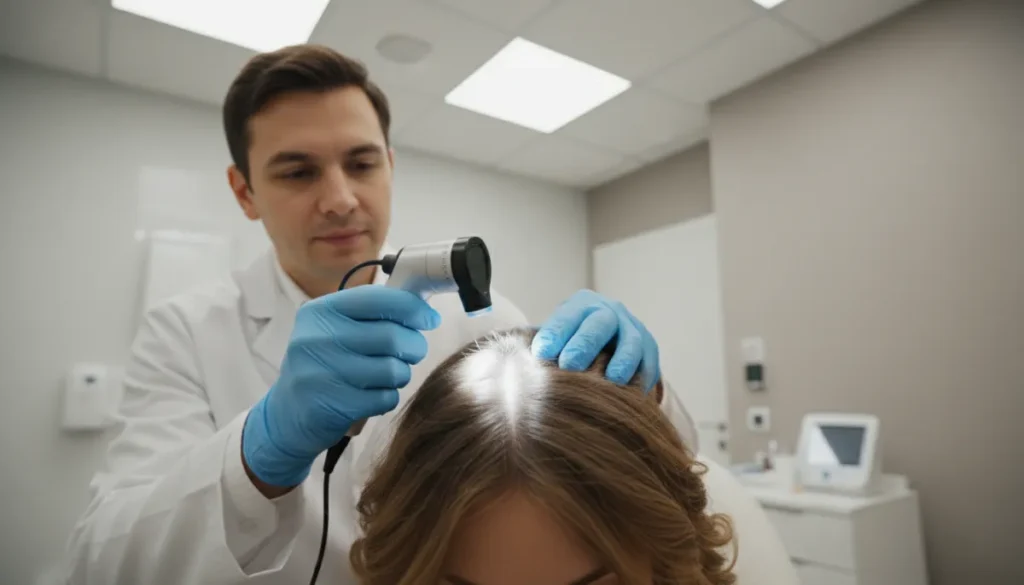
Identifying these symptoms early allows for timely intervention, which is a cornerstone of successful hair loss therapy. Dermatologists typically perform a scalp examination, review medical history, and may request blood tests to rule out underlying conditions.
Beyond the physical impact, thinning hair can affect self‑esteem and social confidence. Studies show that individuals who receive effective treatment report improved quality of life and reduced anxiety related to appearance.
Recent Breakthroughs in Non‑Surgical Hair Restoration
Scientists have introduced several innovative hair loss treatments that target the root causes of thinning hair rather than merely slowing the process. Below are the most notable breakthroughs gaining clinical acceptance.
Platelet‑Rich Plasma (PRP) Therapy
PRP involves drawing a small amount of the patient’s blood, concentrating the platelets, and injecting the plasma into the scalp. Growth factors released from the platelets stimulate dormant follicles, encouraging new growth. Clinical trials report a 30‑45 % increase in hair density after three to four sessions.
Low‑Level Laser Therapy (LLLT)
LLLT uses red‑light wavelengths to improve cellular metabolism in hair follicles. The non‑invasive device is typically a cap or comb that patients can use at home. Research indicates a measurable rise in hair thickness after consistent use over six months.
Stem Cell‑Derived Exosomes
Exosome therapy delivers tiny vesicles packed with signaling proteins that promote tissue regeneration. Early studies show promising results in reactivating miniaturized follicles, with patients experiencing visible regrowth within a few months.
To help you compare these options, the table below outlines key characteristics:
| Therapy | Mechanism | Typical Sessions | Average Hair Density Increase |
|---|---|---|---|
| PRP | Growth‑factor stimulation | 3‑4 (monthly) | 30‑45 % |
| LLLT | Cellular metabolism boost | Daily use (15 min) | 15‑25 % |
| Exosome | Regenerative signaling | 2‑3 (spaced 4‑6 weeks) | 35‑50 % |
These therapies can be combined with traditional hair loss medication for synergistic effects, providing a comprehensive approach to the thinning hair breakthrough era.
How Modern Transplant Techniques Complement Breakthrough Therapies
While non‑surgical options have advanced, surgical hair restoration remains the gold standard for permanent, natural‑looking results. Techniques such as Foliküler Ünite Ekstraksiyonu (FUE) ve Direct Hair Implantation (DHI) have evolved to work hand‑in‑hand with the latest breakthroughs.
FUE: Precision Extraction and Placement
FUE removes individual follicular units from a donor area—usually the back of the scalp—and implants them into thinning zones. Modern motorized devices allow for extraction rates of up to 2,500 grafts per session, reducing procedure time and patient discomfort.
DHI: Automated Implantation
DHI utilizes a patented implanter pen that places grafts directly into the scalp without creating prior incisions. This method improves graft survival rates (up to 95 %) and enables higher density implantation, which is especially beneficial for patients who have already undergone PRP or exosome therapy.
Integrating these surgical methods with pre‑treatment regimens can enhance outcomes. For example, patients who receive PRP three weeks before an FUE session often experience faster healing and higher graft retention.
Below is a comparison of key factors between FUE and DHI:
| Feature | FUE | DHI |
|---|---|---|
| Incision Creation | Separate after extraction | Simultaneous with implantation |
| Graft Survival Rate | 85‑90 % | 90‑95 % |
| Typical Session Time | 6‑8 hours | 5‑7 hours |
| Ideal For | Large‑area coverage | High‑density focal restoration |
By combining the thinning hair breakthrough therapies with FUE or DHI, patients can achieve both immediate regrowth and lasting density, creating a seamless, natural look.
Choosing the Right Treatment Plan: Factors to Consider
Selecting the optimal approach requires a personalized assessment of several variables. Below are the most critical considerations.
Degree of Hair Loss
Early‑stage thinning may respond well to non‑surgical options like LLLT or exosome therapy, while advanced balding often necessitates surgical intervention. The Norwood scale (for men) and Ludwig scale (for women) help clinicians gauge severity.
Age and Hormonal Profile
Younger patients typically have more viable donor follicles, making them good candidates for FUE or DHI. Hormonal assessments can also reveal whether adjunct medications such as finasteride would be beneficial.
Budget and Time Commitment
Non‑surgical therapies usually involve lower upfront costs but require ongoing sessions. Surgical transplants have a higher initial expense but offer permanent results after a single recovery period.
Medical History
Conditions like uncontrolled diabetes, clotting disorders, or active scalp infections may preclude certain procedures. A thorough medical review ensures safety and maximizes success rates.
To summarize, the following checklist can guide your decision‑making process:
- Assess the stage of hair loss using standardized scales.
- Consult a specialist for hormonal and health evaluations.
- Determine budget constraints and willingness for maintenance.
- Consider combining therapies for synergistic benefits.
By aligning these factors with the latest hair loss treatment options, you can craft a roadmap that addresses both immediate concerns and long‑term goals.
Maintaining Results: Lifestyle and After‑Care Tips
Regardless of the chosen method, long‑term success hinges on proper after‑care and supportive lifestyle habits.
Nutrition and Supplements
Hair follicles thrive on a diet rich in proteins, omega‑3 fatty acids, biotin, and zinc. Incorporating foods such as salmon, nuts, eggs, and leafy greens can bolster regrowth. Some clinicians also recommend oral supplements formulated for hair health.
Scalp Hygiene
A gentle shampooing routine keeps follicles unobstructed. Avoid harsh chemicals, excessive heat, and tight hairstyles that can cause traction alopecia.
Stress Management
Chronic stress elevates cortisol levels, which may accelerate hair shedding. Practices like mindfulness meditation, regular exercise, and adequate sleep support overall follicular health.
Follow‑Up Treatments
Many patients benefit from periodic PRP or exosome sessions to sustain the initial boost. Your specialist will outline a maintenance schedule tailored to your progress.
By integrating these habits, you protect the investment made in your hair restoration journey and maximize the impact of the thinning hair breakthrough innovations.
Why Choose Gold City Hair
Gold City Hair has been delivering personalized hair restoration solutions in Turkey since 2017. Our team combines expertise in FUE, DHI, and the newest non‑surgical breakthroughs to craft a treatment plan that fits each individual’s needs. Transparent communication, state‑of‑the‑art facilities, and a commitment to natural‑looking results set us apart as a trusted partner in the journey toward renewed confidence.
Ready to experience the latest thinning hair breakthrough for yourself? Contact Gold City Hair today to schedule a confidential consultation and take the first step toward a fuller, healthier scalp.
SSS
What causes thinning hair and how can I identify early signs?
Thinning hair is most often caused by androgenetic alopecia driven by genetics and DHT, but stress, nutrition, thyroid issues, and medications can also contribute. Early signs include a receding hairline, thinning at the crown, and increased shedding.
What are the most effective non‑surgical treatments for thinning hair?
Current non‑surgical options include Platelet‑Rich Plasma (PRP) therapy, Low‑Level Laser Therapy (LLLT), and exosome therapy, each targeting follicle regeneration in different ways.
How does PRP therapy work for hair regrowth?
PRP therapy draws the patient’s blood, concentrates platelets, and injects the plasma into the scalp, where growth factors stimulate dormant follicles to produce new hair.
What is the difference between FUE and DHI hair transplant techniques?
FUE extracts individual follicular units and creates incisions before implantation, while DHI uses an implanter pen to place grafts directly without pre‑made incisions, resulting in higher graft survival.
Can I combine non‑surgical therapies with surgical hair transplants?
Yes, combining treatments like PRP, LLLT, or exosome therapy with FUE or DHI can improve graft survival, accelerate healing, and provide immediate regrowth while the transplant takes effect.
What factors should I consider when choosing a hair loss treatment plan?
Consider the degree of hair loss, age, hormonal profile, budget, time commitment, and medical history to determine the best mix of non‑surgical and surgical options.
How can lifestyle and after‑care affect the results of hair restoration?
Proper nutrition, scalp hygiene, stress management, and regular follow‑up treatments support follicle health and help maintain the gains from any hair restoration method.





