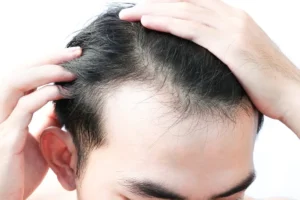
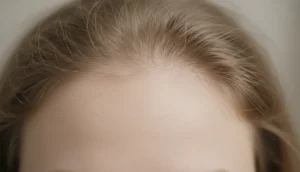
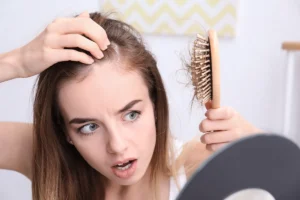
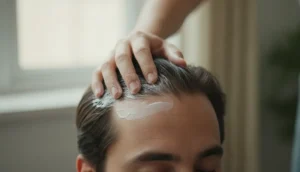
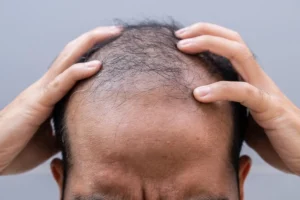
Experiencing thinning hair menopause can feel unsettling, especially when it seems to appear out of nowhere. Around 40% of women report noticeable hair changes during the menopausal transition, making it one of the most common cosmetic concerns of this life stage. This article explains why hair density declines, identifies the key factors that contribute to the problem, and outlines both non‑surgical and surgical solutions that can restore confidence.
We’ll explore the hormonal shifts that trigger follicle mini‑miniaturization, discuss lifestyle habits that may accelerate loss, and review evidence‑based treatments—from topical therapies to advanced hair‑restoration procedures. Whether you’re seeking a simple lifestyle tweak or considering a permanent transplant, understanding the science behind thinning hair menopause empowers you to make informed decisions.
Read on to discover practical steps, treatment options, and how Gold City Hair can support you on the journey to fuller, healthier hair.
Understanding Hormonal Changes and Hair Thinning
The menopause transition brings a decline in estrogen and progesterone, hormones that normally promote the growth phase (anagen) of the hair cycle. When these levels fall, the relative influence of dihydrotestosterone (DHT) increases, leading to follicle shrinkage and shorter, finer strands. This shift is a primary driver of thinning hair menopause and can affect the scalp as well as facial hair.
Key hormones involved:
- Estrogen – supports hair growth and prolongs the anagen phase.
- Progesterone – balances DHT activity.
- DHT – a potent androgen that shortens the growth cycle.
- Thyroid hormones – fluctuations can mimic menopausal hair loss.
Understanding these dynamics helps clinicians tailor treatments that either block DHT, supplement estrogenic effects, or address thyroid imbalances. Lifestyle factors such as stress, nutrition, and sleep also interact with hormonal pathways, amplifying the impact on hair density.
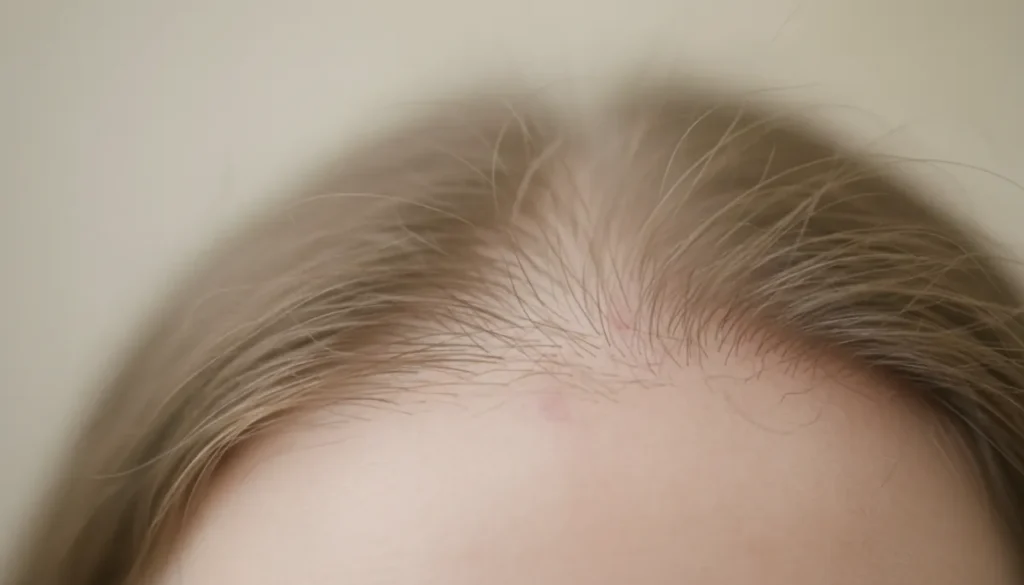
Common Causes of Hair Loss in Menopausal Women
While hormonal decline is central, several other factors frequently coexist with thinning hair menopause. Recognizing these contributors ensures a comprehensive treatment plan.
| Cause | How It Affects Hair | Typical Signs |
|---|---|---|
| Androgenetic alopecia | Follicles become sensitive to DHT, leading to miniaturization. | Gradual recession of hairline, widening part. |
| Iron deficiency | Impaired hemoglobin reduces oxygen delivery to follicles. | Diffuse thinning, especially on the crown. |
| Thyroid disorders | Disrupts the normal hair cycle timing. | Hair becomes brittle and falls out easily. |
| Stress & cortisol spikes | Pushes hairs into telogen (resting) phase. | Sudden shedding (telogen effluvium). |
| Medications | Some drugs (e.g., beta‑blockers, anticoagulants) interfere with follicle health. | Localized or diffuse thinning. |
Addressing these underlying issues—through diet, supplements, or medical management—can significantly improve outcomes, whether you pursue topical solutions or a hair transplant later on.
Effective Non‑Surgical Treatments and Lifestyle Adjustments
Before considering surgery, many patients achieve noticeable improvement with a combination of medical, cosmetic, and lifestyle strategies. Below are the most widely recommended options for thinning hair menopause management.
- Topical minoxidil – FDA‑approved 2% or 5% solution that prolongs the anagen phase and enlarges miniaturized follicles.
- Oral anti‑androgens (e.g., spironolactone) – Reduce DHT binding on scalp receptors; especially effective for women.
- Low‑level laser therapy (LLLT) – Stimulates cellular activity in the follicle, improving density.
- Platelet‑rich plasma (PRP) – Autologous growth factors promote regeneration and reduce shedding.
- Nutritional supplementation – Iron, zinc, biotin, and vitamin D support follicle metabolism.
- Stress management – Mindfulness, yoga, and regular exercise lower cortisol, reducing telogen effluvium.
Combining these treatments often yields synergistic benefits. For example, using minoxidil alongside PRP can accelerate the re‑entry of dormant follicles into the growth phase, while a balanced diet supplies the building blocks necessary for robust hair shaft formation.
When to Consider Hair Transplant Options
If non‑surgical approaches do not provide satisfactory regrowth, or if the hair loss pattern is stable and well‑defined, a hair transplant may be the most effective long‑term solution. The decision to pursue a transplant should be based on the following criteria:
- Stable hair loss for at least 12 months.
- Good donor area density (typically at the back of the scalp).
- Realistic expectations about results and recovery time.
- Absence of active scalp infections or uncontrolled medical conditions.
Gold City Hair specializes in the latest FUE (Follicular Unit Extraction) and DHI (Direct Hair Implantation) techniques, which provide natural‑looking density with minimal scarring. These methods are particularly suited for women, as the grafts can be placed to match existing hair direction and thickness, delivering a seamless blend.
Preparing for a Consultation and What to Expect
A thorough pre‑procedure assessment ensures that the chosen treatment aligns with your specific pattern of thinning hair menopause. Here’s what typically happens during the initial visit:
- Medical history review – Hormonal status, medications, and previous treatments.
- Scalp examination – Visual assessment and trichoscopy to determine follicle health.
- Blood work – Checks for iron, thyroid, and hormone levels.
- Discussion of goals – Desired density, styling preferences, and timeline.
- Treatment plan proposal – Options ranging from topical regimens to surgical transplant, with cost and recovery details.
Being prepared with a list of current supplements, recent lab results, and any concerns about anesthesia or downtime will help the specialist tailor a plan that maximizes safety and efficacy.
Why Choose Gold City Hair
Gold City Hair has been delivering personalized hair restoration solutions in Turkey since 2017. Our team combines extensive experience in FUE, DHI, and eyebrow/beard transplants with a commitment to transparent communication and patient‑centered care. We use the latest technology to ensure natural results, and our clinic’s reputation for safety and excellence makes us a trusted partner for women navigating thinning hair menopause.
Ready to regain confidence with fuller hair? Contact Gold City Hair today to schedule your personalized consultation and explore the most effective solutions for menopausal hair thinning.
SSS
What causes thinning hair during menopause?
Thinning hair during menopause is mainly driven by a drop in estrogen and progesterone, which allows dihydrotestosterone (DHT) to shrink hair follicles.
How do hormonal changes affect hair growth in menopausal women?
Lower estrogen shortens the anagen phase while higher DHT activity accelerates follicle mini‑miniaturization, resulting in thinner hair.
What non‑surgical treatments are effective for menopausal hair thinning?
Topical minoxidil, oral anti‑androgens, low‑level laser therapy, PRP, nutritional supplements, and stress‑management techniques are commonly used.
When is a hair transplant recommended for women experiencing menopause‑related hair loss?
A transplant is advised when hair loss is stable for at least a year, donor area density is adequate, and non‑surgical options have not restored sufficient growth.
What should I expect during a first consultation for hair loss treatment?
The doctor will review your medical history, examine your scalp, order blood work, discuss your goals, and propose a personalized treatment plan.
Can lifestyle changes improve thinning hair during menopause?
Yes, balanced nutrition, stress reduction, adequate sleep, and avoiding harsh hair practices can support healthier hair growth.