When hair loss appears as sudden, round patches on the scalp, many people wonder if topical steroids for alopecia areata can help. Alopecia areata is an autoimmune condition in which the body’s immune system mistakenly attacks hair follicles, leading to temporary hair loss. While the condition can be distressing, medical research shows that targeted anti‑inflammatory therapy often restores growth. In this article we explore how topical steroids work, how to choose the right formulation, safe application practices, realistic expectations, and complementary options. By the end, you’ll have a clear roadmap for managing alopecia areata with confidence.
Statistics reveal that up to 2 % of the global population experiences alopecia areata at some point in their lives, and many seek effective hair loss treatment without invasive procedures. Topical corticosteroids remain a first‑line therapy because they can be applied directly to the affected area, minimizing systemic exposure while delivering potent anti‑inflammatory action. Understanding the science behind these medications empowers you to make informed decisions and collaborate effectively with your dermatologist or hair restoration specialist.
Below we break down the essential aspects of using topical steroids for alopecia areata, from mechanism of action to expected timelines, and we highlight why Gold City Hair’s comprehensive approach can support your journey toward renewed confidence.
How Topical Steroids Work in Alopecia Areata
Topical steroids belong to the class of corticosteroids that mimic the body’s natural hormone cortisol. In alopecia areata, the immune system attacks the hair follicle’s “immune privilege,” causing inflammation and premature entry of hair follicles into the resting phase (telogen). Applying a corticosteroid directly to the scalp reduces local inflammation, suppresses the misguided immune response, and allows follicles to re‑enter the growth phase (anagen).
Key mechanisms include:
- Inhibition of pro‑inflammatory cytokines such as interleukin‑2 and interferon‑γ.
- Stabilization of lysosomal membranes, reducing tissue damage.
- Down‑regulation of T‑cell activity around the hair follicle.
Clinical studies indicate that patients using potent topical steroids experience regrowth in 30‑60 % of treated patches within three months. The effectiveness varies with the steroid’s potency, the duration of treatment, and the chronicity of the alopecia areata lesions.
It is important to differentiate between short‑term and long‑term use. Short‑term, high‑potency steroids can jump‑start regrowth, while lower‑potency formulations are often used for maintenance to prevent rebound inflammation.
| Potency Level | Common Examples | Typical Use Duration |
|---|---|---|
| Low | Hydrocortisone 1 % | 2‑4 weeks for maintenance |
| Medium | Triamcinolone acetonide 0.1 % | 4‑8 weeks as bridge therapy |
| High | Clobetasol propionate 0.05 % | 2‑6 weeks for active patches |
Choosing the Right Steroid Formulation and Strength
Not all topical steroids are created equal. Selecting the appropriate formulation—cream, ointment, gel, or solution—depends on the lesion’s location, skin type, and patient preference. Creams are less greasy and suitable for oily scalps, while ointments provide better occlusion for dry, scaly patches, enhancing drug absorption.
When deciding on potency, clinicians consider the size of the alopecia areata patch, its duration, and previous treatment response. For newly diagnosed, small (<2 cm) patches, a low‑to‑medium potency cream may suffice. Larger or longstanding patches often require a short course of high‑potency ointment under close supervision.
Here’s a quick guide to help you discuss options with your specialist:
- Assess the patch size and duration. Larger, chronic patches may need stronger agents.
- Consider scalp oiliness. Ointments can feel heavy on oily skin; gels or solutions are lighter.
- Evaluate risk of side effects. Potent steroids increase the chance of skin thinning, telangiectasia, and local irritation.
- Plan a tapering schedule. After initial regrowth, switch to a lower‑potency product to maintain results.
Remember that “topical steroids for alopecia areata” is just one part of a broader alopecia areata treatment plan. Your dermatologist may combine steroids with other modalities such as intralesional injections, topical immunotherapy, or oral JAK inhibitors for refractory cases.
Application Guidelines and Safety Tips
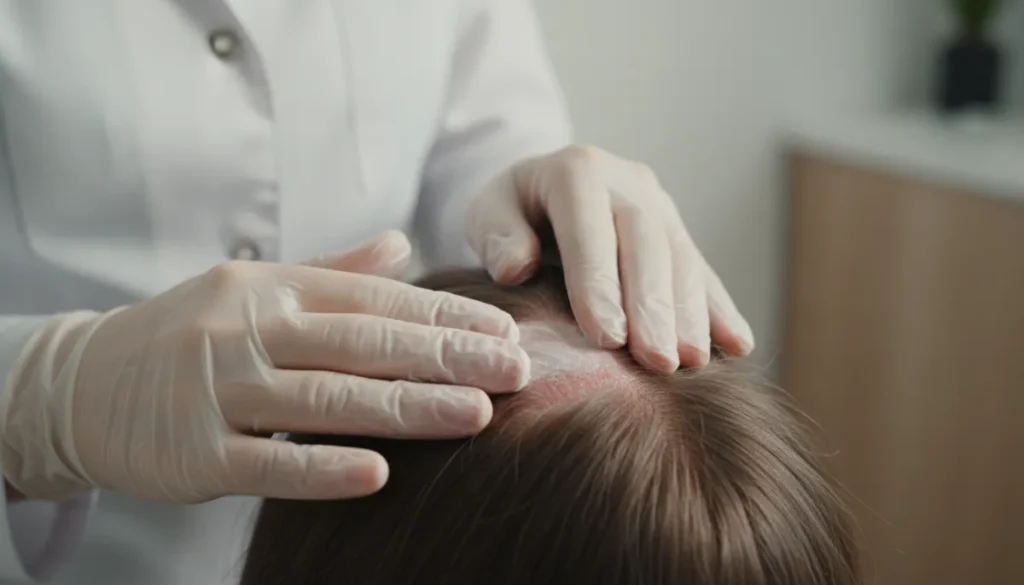
Proper application maximizes efficacy while minimizing adverse effects. Follow these evidence‑based steps whenever you use topical steroids for alopecia areata:
- Clean the scalp. Gently wash with a mild shampoo and pat dry.
- Measure the dose. Use the amount recommended by your physician—usually a pea‑sized dab per 1 cm² of affected skin.
- Apply evenly. Spread the medication in a thin layer over the patch, avoiding surrounding healthy hair.
- Massage lightly. Facilitate absorption without excessive friction.
- Wash hands. Prevent accidental transfer to other body areas.
- Follow a schedule. Most regimens recommend once‑daily application at bedtime.
Safety considerations include monitoring for skin atrophy, stretch marks, and secondary infections. If you notice increased redness, burning, or hair shedding beyond the treated area, stop the medication and consult your clinician promptly.
For patients with sensitive skin, a “pulse therapy” approach—applying the steroid for five days followed by a two‑day break—can reduce irritation while preserving therapeutic benefit.
| Potential Side Effect | Early Signs | Action Required |
|---|---|---|
| Skin thinning (atrophy) | Visible translucency, easy bruising | Reduce potency or frequency; consult doctor |
| Contact dermatitis | Redness, itching, swelling | Discontinue use; use moisturizers; seek medical advice |
| Folikülit | Pimples or pustules on scalp | Maintain hygiene; consider antibiotic if needed |
Expected Results and Timeline for Hair Regrowth
Patience is essential when using topical steroids for alopecia areata. Hair follicles need time to exit the inflammatory phase and re‑enter the growth cycle. Most patients notice the first signs of regrowth—fine, downy hair (vellus)—within 4‑8 weeks of consistent application. This initial growth often appears as a subtle “pepper‑spray” effect before maturing into thicker terminal hair over the next few months.
Key milestones to track:
- Weeks 1‑2: Reduced redness and inflammation.
- Weeks 4‑8: Appearance of fine vellus hairs.
- Months 3‑6: Thickening of regrown hairs; patch may fill completely.
- Beyond 6 months: Maintenance phase; switch to low‑potency steroid or discontinue.
Response rates vary. Approximately 60 % of patients achieve ≥50 % regrowth of the treated area, while 30 % experience near‑complete restoration. Non‑responders may benefit from adjunctive therapies such as intralesional triamcinolone injections or emerging oral JAK inhibitors.
It is crucial to set realistic expectations. Topical steroids are most effective for recent‑onset patches (less than six months old). Chronic, long‑standing alopecia areata may require a multimodal approach.
Alternatives and Complementary Therapies
While topical steroids remain a cornerstone of alopecia areata treatment, many patients explore additional options to boost outcomes. Some evidence‑based alternatives include:
- Intralesional corticosteroid injections. Direct injection of triamcinolone into the lesion can deliver higher concentrations.
- Topical immunotherapy. Agents such as diphencyprone (DPCP) provoke a mild allergic reaction that distracts the immune system.
- Oral Janus kinase (JAK) inhibitors. Medications like tofacitinib have shown promising results in refractory cases.
- Low‑level laser therapy (LLLT). Non‑invasive light devices may stimulate follicular activity.
- Stress management. Psychological stress can exacerbate autoimmune activity; techniques like mindfulness and counseling are supportive.
When combining therapies, coordination with a qualified dermatologist is essential to avoid overlapping side effects. For example, using both topical steroids and potent immunotherapy may increase the risk of skin irritation.
In many cases, a personalized plan that incorporates both topical steroids for alopecia areata and complementary modalities yields the best chance of durable regrowth.
Why Choose Gold City Hair
Gold City Hair has been a trusted leader in hair restoration since 2017, offering a full spectrum of aesthetic and cosmetic solutions. Our clinic combines state‑of‑the‑art FUE and DHI transplant techniques with comprehensive medical expertise, ensuring that patients receive a holistic approach to hair loss. We prioritize transparent communication, individualized treatment plans, and post‑procedure support, helping you achieve natural‑looking results and renewed confidence.
Ready to take the next step toward lasting hair regrowth? Contact Gold City Hair today to schedule a personalized consultation and discover how our expert team can tailor a treatment plan just for you.
Experience professional care, advanced technology, and the confidence of a fuller head of hair—book your appointment now.
SSS
How do topical steroids work to treat alopecia areata?
Topical steroids reduce local inflammation by mimicking cortisol, suppressing immune activity around hair follicles and allowing them to re‑enter the growth phase.
What are the different potency levels of topical steroids and their typical uses?
Low, medium, and high potency steroids are used respectively for maintenance, bridge therapy, and active patch treatment, each for specific durations.
How should I apply topical steroids safely on my scalp?
Clean the scalp, measure a pea‑sized amount per cm², spread thinly, massage lightly, wash hands, and follow the prescribed schedule.
When can I expect to see hair regrowth after using topical steroids?
Most patients notice fine vellus hairs within 4‑8 weeks, with thicker terminal hair developing over 3‑6 months.
What are common side effects of topical steroids for alopecia areata?
Skin thinning, local irritation, contact dermatitis, and folliculitis are the most frequently reported adverse effects.
Are there alternative or complementary therapies to topical steroids for alopecia areata?
Yes, options include intralesional injections, topical immunotherapy, oral JAK inhibitors, low‑level laser therapy, and stress‑management techniques.