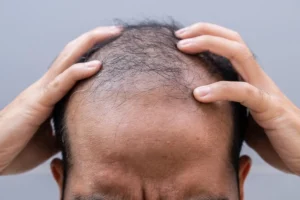
If you are looking to treat hereditary hair loss, you are not alone. Millions of men and women worldwide struggle with thinning hair caused by genetic factors, often referred to as androgenetic alopecia. Understanding the underlying causes and the range of available solutions is essential for regaining confidence and achieving lasting results.
In this article we will explore the science behind hereditary hair loss, review proven medical and lifestyle interventions, and examine advanced hair restoration techniques such as FUE and DHI. Whether you are seeking non‑surgical options, prescription medications, or a full hair transplant, the information below will help you make an informed decision.
Recent studies indicate that early intervention can significantly slow the progression of hair thinning, with up to 70% of patients seeing measurable improvement when treatment begins within the first five years of noticeable loss. Let’s dive into the details and discover the best path forward for your unique situation.
Understanding Hereditary Hair Loss
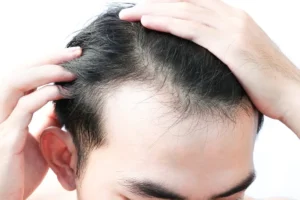
Hereditary hair loss, medically known as androgenetic alopecia, is the most common form of hair thinning affecting both men and women. It is driven by a combination of genetic predisposition and hormonal influences, primarily the conversion of testosterone to dihydrotestosterone (DHT) which shortens the hair growth cycle.
What Is Androgenetic Alopecia?
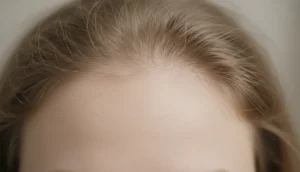
This condition manifests as a predictable pattern of hair loss. In men, the classic “M” shape receding hairline and thinning at the crown are typical, while women often experience diffuse thinning across the top of the scalp while maintaining the frontal hairline.
Genetic Factors and Patterns
Family history is a strong indicator; if your parents or grandparents experienced early hair loss, you are more likely to develop the same pattern. The inheritance is polygenic, meaning multiple genes contribute to susceptibility.
- Male pattern baldness often begins in the late teens to early 30s.
- Female pattern hair loss usually becomes noticeable after menopause.
- Both sexes may notice increased shedding during periods of stress or illness.
| Feature | Male Pattern | Female Pattern |
|---|---|---|
| Typical Onset | Late teens–30s | 30s–50s |
| Hairline Change | Receding temples | Preserved frontal hairline |
| Thinning Area | Crown & vertex | Top of scalp |
Understanding these patterns helps clinicians tailor a treatment plan that addresses the specific areas of concern, whether you aim to treat hereditary hair loss with medication, surgery, or a combination of both.

Medical Treatments and Lifestyle Strategies
Pharmaceutical options remain the cornerstone for many individuals seeking to treat hereditary hair loss. Two FDA‑approved medications dominate the market: finasteride and minoxidil. Both have extensive clinical data supporting their efficacy in slowing hair loss and promoting regrowth.
Finasteride and Minoxidil
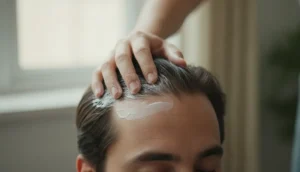
Finasteride, an oral 5‑alpha‑reductase inhibitor, reduces DHT levels, directly addressing the hormonal driver of follicular miniaturization. Minoxidil, a topical vasodilator, enhances blood flow to hair follicles and extends the anagen (growth) phase. When used together, the synergy often yields superior results compared to monotherapy.
Nutritional Supplements and Vitamins
While supplements are not a substitute for prescription medication, certain nutrients support hair health and may complement other treatments. Commonly recommended supplements include biotin, zinc, iron, and marine‑derived omega‑3 fatty acids.
- Biotin – Supports keratin production.
- Zinc – Helps regulate hormone levels.
- Iron – Essential for oxygen transport to follicles.
- Omega‑3 – Reduces inflammation and promotes scalp health.
| Medication | Typical Dosage | Expected Onset of Results |
|---|---|---|
| Finasterid | 1 mg daily | 3–6 months |
| Minoxidil (2% solution) | Apply twice daily | 2–4 months |
| Minoxidil (5% foam) | Apply twice daily | 2–3 months |
Adopting a balanced diet rich in proteins, antioxidants, and healthy fats further supports hair growth. Regular exercise, stress management, and adequate sleep are lifestyle factors that can improve overall results when you aim to treat hereditary hair loss holistically.
Advanced Hair Restoration Techniques
When medical therapy alone does not achieve the desired density, many turn to surgical options. Modern hair transplantation offers highly natural results with minimal downtime. Two of the most popular techniques are Follicular Unit Extraction (FUE) and Direct Hair Implantation (DHI).
Foliküler Ünite Ekstraksiyonu (FUE)
FUE involves harvesting individual follicular units from a donor area—typically the back of the scalp—and implanting them into the thinning zones. The method leaves tiny, dot‑like scars that are virtually invisible.
Direct Hair Implantation (DHI)
DHI utilizes a specialized implanter pen that places follicles at a precise depth and angle, often reducing the need for creating recipient sites beforehand. This can lead to higher graft survival rates and a more natural hair direction.
- Pros of FUE: Versatile for large sessions, widely available.
- Cons of FUE: Slightly longer procedure time.
- Pros of DHI: Faster implantation, potentially higher graft viability.
- Cons of DHI: May be costlier per graft.
| Feature | FUE | DHI |
|---|---|---|
| Graft Extraction | Individual punches | Individual punches |
| Implantation Method | Pre‑made slits | Implanter pen |
| Typical Session Size | Up to 4,000 grafts | Up to 3,000 grafts |
| Recovery Time | 7‑10 days | 5‑7 days |
Choosing the right technique depends on your donor density, desired coverage, and budget. Both FUE and DHI are proven methods to treat hereditary hair loss permanently, offering a natural‑looking solution that restores confidence.
Non‑Surgical Options and Cosmetic Solutions
For patients who prefer to avoid surgery or wish to supplement surgical results, several non‑invasive options exist. These methods can either stimulate existing follicles or create the illusion of fuller hair.
Laser Therapy, PRP, and Microneedling
Low‑level laser therapy (LLLT) uses red light wavelengths to increase cellular metabolism in the scalp. Platelet‑rich plasma (PRP) injections deliver growth factors directly to follicles, while microneedling creates micro‑channels that enhance the absorption of topical agents.
Hair Fibers, Scalp Micropigmentation, and Wigs
Cosmetic fibers are keratin‑based particles that cling to existing hair, instantly masking thinning areas. Scalp micropigmentation (SMP) involves depositing pigment into the scalp to mimic the appearance of hair follicles. High‑quality wigs and hairpieces provide an immediate, reversible solution.
- LLLT devices can be used at home 3‑5 times per week.
- PRP sessions typically require 3‑4 treatments spaced a month apart.
- Microneedling can be combined with minoxidil for enhanced absorption.
- SMP offers a semi‑permanent aesthetic that lasts 2‑5 years.
While these options do not address the genetic cause directly, they are valuable tools for those looking to treat hereditary hair loss in a less invasive manner or to maintain results after a transplant.
Choosing the Right Treatment Plan
Deciding how to treat hereditary hair loss requires a personalized approach. A thorough evaluation by a qualified specialist will consider genetic factors, the extent of thinning, lifestyle, and personal goals.
Consultation Process
During your initial visit, the clinician will perform a detailed scalp analysis, review your medical history, and discuss expectations. Photographic documentation and, if necessary, a trichogram may be used to assess follicle health.
Setting Realistic Expectations
Understanding what each treatment can realistically achieve prevents disappointment. For example, medications can halt progression and modestly regrow hair, while transplants can restore density in targeted areas.
- Step 1: Comprehensive scalp assessment.
- Step 2: Determine suitability for medical, non‑surgical, or surgical options.
- Step 3: Develop a phased treatment roadmap.
- Step 4: Monitor progress with follow‑up visits.
By following a structured plan, patients maximize the likelihood of a successful outcome and achieve a natural, lasting improvement in hair appearance.
Why Choose Gold City Hair
Gold City Hair has been delivering personalized hair restoration solutions since 2017. Our clinic combines cutting‑edge techniques such as FUE and DHI with a transparent, patient‑focused approach. Every treatment plan is tailored to the individual, ensuring optimal results and a comfortable experience from the first consultation through post‑procedure care.
Located in Turkey, we offer competitive pricing without compromising on quality. Our team of experienced surgeons and certified specialists stays up‑to‑date with the latest advancements, providing you with safe, effective, and lasting solutions to treat hereditary hair loss.
Ready to take the next step toward a fuller, healthier head of hair? Contact Gold City Hair today to schedule your personalized consultation and discover the best treatment plan for you.
Experience confidence restored—book your appointment now.
SSS
What causes hereditary hair loss?
Hereditary hair loss, or androgenetic alopecia, is driven by genetics and the hormone DHT, which shortens the hair growth cycle.
How do finasteride and minoxidil work together to treat hair loss?
Finasteride reduces DHT levels systemically, while minoxidil stimulates follicle blood flow and prolongs the growth phase; together they address both hormonal and vascular factors.
What are the main differences between FUE and DHI hair transplantation techniques?
FUE extracts individual grafts and places them into pre‑made slits, while DHI uses a pen‑like implanter to insert grafts directly without creating slits first.
Can lifestyle changes improve hereditary hair loss outcomes?
Yes; a balanced diet, stress management, regular exercise, and adequate sleep can enhance the effectiveness of medical and surgical treatments.
Are non‑surgical options like laser therapy, PRP, and microneedling effective for hereditary hair loss?
They can be beneficial, especially as adjuncts to medication, by stimulating follicle activity and improving scalp health, though results vary.
What should I expect during a hair loss consultation?
A specialist will examine your scalp, review medical history, discuss goals, and may use photos or a trichogram to assess follicle health.
How long does it take to see results from finasteride and minoxidil?
Finasteride typically shows improvement after 3‑6 months, while minoxidil may produce visible regrowth in 2‑4 months for 2% solution and 2‑3 months for 5% foam.