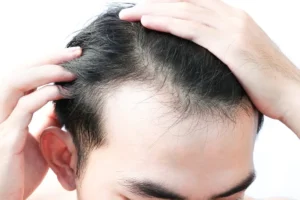
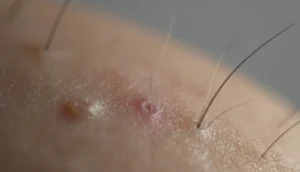
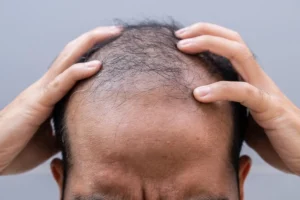
Most people notice strands of hair on their pillow, in the shower, or on a brush each day, but what counts as typical hair loss per day can be confusing. On average, a healthy individual sheds between 50 and 100 hairs daily—a natural part of the hair growth cycle. This article breaks down why this shedding occurs, the variables that can increase or decrease the count, and the warning signs that indicate you may need professional help.
Did you know that losing up to 100 hairs a day is considered normal, yet many assume any hair on the pillow is a sign of baldness? Understanding the science behind daily hair loss helps you differentiate between normal shedding and early stages of conditions like alopecia or telogen effluvium. By the end of this guide, you’ll know how to interpret your daily hair count, what lifestyle factors influence it, and which treatments can support healthier growth.
Whether you’re a man noticing a receding hairline, a woman experiencing thinning hair, or simply curious about your scalp health, the information here will empower you to make informed decisions about your hair care routine and when to consult a specialist.
What Is Normal Daily Hair Shedding?
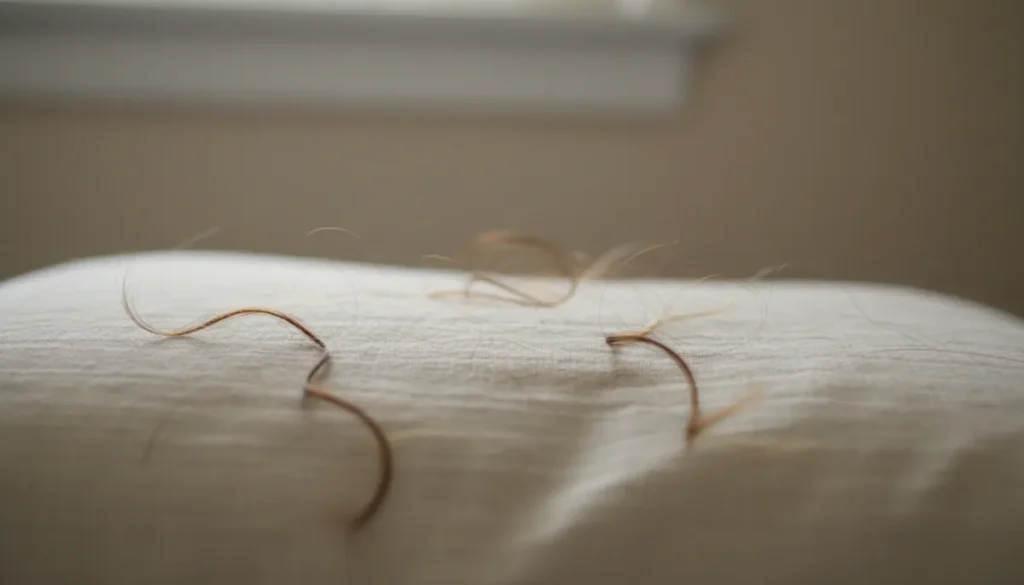
The human scalp contains roughly 100,000 follicles, each cycling through growth (anagen), transition (catagen), and resting (telogen) phases. During the telogen phase, which lasts about three months, hairs are primed to fall out, making way for new growth. This natural process accounts for the typical hair loss per day that most people experience.
Hair Growth Cycle Overview
- Anagen (Growth Phase): Lasts 2–6 years; 85‑90% of hairs are in this stage.
- Catagen (Transition Phase): Lasts 2–3 weeks; follicles shrink and prepare for shedding.
- Telogen (Resting Phase): Lasts 2–4 months; about 10‑15% of hairs are here, and they will eventually be shed.
Because only a fraction of follicles are in telogen at any given time, shedding 50‑100 hairs daily is perfectly normal. Anything consistently above this range may signal an underlying issue.
| Parameter | Normal Daily Shedding | Excessive Shedding |
|---|---|---|
| Hair Count Lost per Day | 50‑100 strands | Over 150 strands |
| Visible on Pillow/Brush | Scattered, < 10 % of total loss | Clusters, > 30 % of total loss |
| Associated Conditions | None | Alopecia, telogen effluvium, hormonal imbalance |
Factors That Influence Daily Hair Loss
While the baseline range of 50‑100 hairs is a reliable benchmark, several internal and external factors can shift that number upward or downward. Understanding these influences helps you manage your expectations and adopt healthier habits.
Genetics and Hormones
Genetic predisposition plays a major role in conditions like androgenetic alopecia (male or female pattern baldness). Elevated dihydrotestosterone (DHT) levels can shorten the anagen phase, leading to increased telogen hairs and higher daily loss.
Stress and Lifestyle
Physical or emotional stress can trigger telogen effluvium, a temporary condition where a larger proportion of follicles enter the resting phase simultaneously. Common stressors include major surgery, severe illness, or chronic anxiety. Nutritional deficiencies—particularly iron, zinc, and vitamin D—also affect follicle health.
Seasonal Changes
Studies suggest a slight rise in shedding during late summer and early autumn, possibly due to hormonal fluctuations and changes in daylight exposure.
Hair Care Practices
- Frequent tight hairstyles (e.g., ponytails, braids) may cause traction alopecia.
- Excessive heat styling or harsh chemical treatments can weaken shafts, leading to breakage mistaken for shedding.
- Gentle brushing and using sulfate‑free shampoos support a healthier scalp environment.
When Daily Hair Loss Becomes a Concern
Occasional spikes in shedding are usually harmless, but persistent excess can indicate an underlying disorder. Recognizing the red flags early allows for timely intervention.
Signs of Alopecia
Key indicators include:
- Visible thinning at the crown or temples.
- Small, smooth patches—often called “bald spots.”
- Increased hair breakage along the shaft.
Medical Conditions Linked to Increased Shedding
Conditions such as thyroid dysfunction, anemia, and autoimmune diseases (including alopecia areata) can accelerate hair loss. Certain medications—like anticoagulants, retinoids, and chemotherapy agents—also elevate the daily hair fall count.
Ne Zaman Profesyonel Yardım Alınmalı?
If you consistently lose more than 150 hairs per day, notice rapid thinning, or experience other symptoms (e.g., scalp itching, redness), schedule a consultation with a qualified hair restoration clinic. Early diagnosis enables targeted treatment, whether topical, oral, or procedural.
Common Hair Loss Types and Their Daily Shedding Patterns
Not all hair loss follows the same trajectory. Understanding the specific pattern helps you choose the most effective treatment.
Androgenetic Alopecia (Pattern Baldness)
This hereditary condition accounts for the majority of male and female hair loss. Men typically notice a receding hairline and thinning at the crown, while women see diffuse thinning across the top. Daily shedding may rise to 120‑150 hairs as follicles miniaturize.
Telogen Effluvium
Often triggered by stress, illness, or hormonal changes (e.g., postpartum), telogen effluvium causes a sudden increase in telogen hairs. Shedding can temporarily exceed 200 hairs per day, but the condition usually resolves within six months once the trigger is removed.
Alopesi Areata
An autoimmune attack on hair follicles leads to sudden, patchy hair loss. While overall daily shedding might not be dramatically higher, the appearance of distinct bald spots can be alarming.
| Hair Loss Type | Typical Daily Shedding | Pattern of Loss | Common Triggers |
|---|---|---|---|
| Androgenetik Alopesi | 120‑150 strands | Receding hairline, crown thinning | Genetics, DHT |
| Telogen Effluvium | 150‑250+ strands | Diffuse shedding | Stress, illness, hormonal shifts |
| Alopesi Areata | Variable | Patchy bald spots | Autoimmune response |
Effective Strategies to Manage Normal and Excessive Hair Loss
Managing hair loss involves a blend of lifestyle adjustments, topical solutions, and, when necessary, clinical interventions. Below are evidence‑based strategies that support healthy hair cycles and reduce excessive shedding.
Topical Treatments
- Minoxidil (2% or 5%): Increases blood flow to follicles, extending the anagen phase. Suitable for both men and women.
- Finasteride (oral, for men): Blocks DHT production, slowing androgenetic alopecia progression.
- Ketoconazole Shampoo: Reduces scalp inflammation and fungal overgrowth that can exacerbate shedding.
Procedural Options
For individuals whose daily hair loss exceeds normal limits despite conservative measures, surgical solutions offer lasting results.
- FUE (Follicular Unit Extraction): Harvests individual follicles from a donor area and implants them into thinning zones, preserving natural hair direction.
- DHI (Direct Hair Implantation): Similar to FUE but uses a specialized pen for precise placement, reducing trauma.
- PRP (Platelet‑Rich Plasma) Therapy: Injects concentrated growth factors to stimulate follicular activity.
Nutrition and Lifestyle
Ensuring adequate intake of protein, iron, zinc, and omega‑3 fatty acids supports keratin production. Regular exercise improves circulation, while stress‑management techniques (meditation, yoga) mitigate telogen effluvium triggers.
Why Choose Gold City Hair for Your Hair Restoration
Gold City Hair has been delivering personalized hair transplant solutions in Turkey since 2017. Our clinic combines the latest FUE ve DHI techniques with a patient‑first approach, ensuring transparent communication at every step. Whether you’re dealing with normal daily shedding or a more complex form of alopecia, our experienced team designs a treatment plan tailored to your unique needs, helping you regain confidence and a fuller appearance.
Ready to take control of your hair health? Contact Gold City Hair today for a free, no‑obligation consultation and discover the best solution for your specific pattern of hair loss.
Start your journey toward thicker, healthier hair—schedule your appointment now.
SSS
How many hairs are considered normal to lose each day?
A healthy person typically sheds between 50 and 100 hairs daily.
What factors can increase daily hair shedding?
Stress, hormonal changes, nutritional deficiencies, and harsh hair care practices can raise shedding.
When should I be concerned about my hair loss?
If you lose more than 150 hairs daily, notice rapid thinning, or see other scalp symptoms, seek professional advice.
What is telogen effluvium and how does it affect shedding?
Telogen effluvium is a temporary condition where many hairs enter the resting phase, causing sudden increased shedding.
What treatments are effective for reducing excessive hair loss?
Topical minoxidil, oral finasteride, ketoconazole shampoo, PRP therapy, and hair transplant surgery are proven options.
How does stress impact daily hair loss?
Stress can trigger telogen effluvium, causing a temporary surge in hair shedding.