Early balding can feel like an unexpected shift in confidence, especially when it starts in your twenties or thirties. Recognizing the early signs of hair loss and understanding the underlying factors are essential steps toward effective management. In this article we explore why early balding occurs, how to identify it, practical prevention strategies, and the most advanced treatment options available today.
Statistics show that up to 30% of men begin to notice thinning hair before the age of 35, and the trend is rising due to lifestyle and environmental pressures. Whether you’re dealing with male pattern baldness, diffuse thinning, or a receding hairline, early intervention can dramatically improve long‑term outcomes.
We’ll walk you through the science behind hair loss, the visual cues that signal the start of the process, lifestyle adjustments that can slow progression, and medical solutions—including the cutting‑edge hair transplant techniques offered by Gold City Hair.
By the end of this guide, you’ll have a clear roadmap for protecting your hair and restoring density, empowering you to make informed decisions about your personal care plan.
What Triggers Early Balding?
Understanding the root causes of early balding helps you target the problem directly. While genetics play a major role, several other factors can accelerate hair loss.
- Genetic predisposition: A family history of androgenetic alopecia often signals a higher risk.
- Hormonal influences: Elevated dihydrotestosterone (DHT) levels shrink hair follicles, leading to thinning.
- Stress and lifestyle: Chronic stress, poor sleep, and smoking can disrupt the hair growth cycle.
- Nutritional deficiencies: Lack of iron, zinc, or vitamin D hampers follicle health.
- Medical conditions: Thyroid disorders, autoimmune diseases, and certain medications may trigger early balding.
Research indicates that men with a strong family history of male pattern baldness may experience noticeable thinning as early as age 20. However, lifestyle modifications can mitigate these effects.
Below is a quick comparison of common triggers and their typical impact on hair follicles:
| Trigger | Effect on Follicles | Potential Mitigation |
|---|---|---|
| Genetics (Androgenetic Alopecia) | Follicle miniaturization | Early medical treatment, DHT blockers |
| High DHT Levels | Shortened growth phase | Finasteride, lifestyle changes |
| Stres | Telogen effluvium | Stress‑reduction techniques |
| Nutrient Deficiency | Weakened hair shaft | Balanced diet, supplements |

Recognizing the First Signs of Hair Loss
Spotting early balding early is crucial for timely intervention. The most common visual cues include:
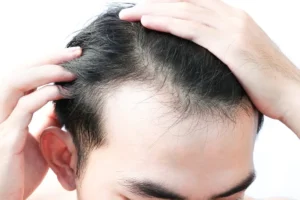
- Receding hairline at the temples, forming an “M” shape.
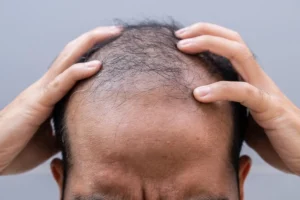
- Thinning at the crown, often described as a widening part.
- Increased shedding when washing or styling hair.
- Reduced hair density along the frontal scalp.
These signs align with typical patterns of androgenetic alopecia, but they can also appear in other forms of hair loss. A simple self‑assessment involves parting your hair and examining the scalp for exposed skin or a noticeable reduction in hair volume.
For men, the “Norwood Scale” is a useful reference to gauge the stage of balding. Early stages (I‑II) often involve subtle recession, while stage III marks more pronounced thinning that may benefit from medical treatment.
Below is a brief guide to the most common early balding patterns:
| Pattern | Description | Typical Onset Age |
|---|---|---|
| Frontal Recession | Hairline recedes at temples | 20‑30 |
| Crown Thinning | Sparse area on top of scalp | 25‑35 |
| Diffuse Thinning | Evenly reduced density across scalp | 20‑40 |
Preventive Measures and Lifestyle Changes
While you cannot change your genetic blueprint, several lifestyle adjustments can slow the progression of early balding and support overall hair health.
Nutrition and Supplements
Key nutrients that promote robust hair growth include:
- Iron – essential for oxygen transport to follicles.
- Zinc – regulates hormone levels and supports keratin production.
- Vitamin D – influences hair follicle cycling.
- Biotin – strengthens the hair shaft.
Incorporating lean proteins, leafy greens, nuts, and fatty fish into your diet provides a solid nutritional foundation. If deficiencies are suspected, a blood test can guide targeted supplementation.
Scalp Care Routine
Gentle cleansing, regular massage, and occasional use of mild exfoliating shampoos improve blood flow and keep follicles healthy. Avoid harsh chemicals, excessive heat styling, and tight hairstyles that cause traction.
Stress Management
Chronic stress elevates cortisol, which can push hair into the telogen (resting) phase. Practices such as meditation, regular exercise, and adequate sleep (7‑9 hours) are proven to reduce stress‑related shedding.
Below is a simple weekly checklist to reinforce healthy habits:
- Monday: 30‑minute cardio + scalp massage.
- Tuesday: Balanced meals rich in iron and zinc.
- Wednesday: Stress‑relief activity (yoga or meditation).
- Thursday: Gentle shampoo with a mild exfoliant.
- Friday: Review supplement intake, adjust if needed.
- Weekend: Outdoor activity for vitamin D exposure.
Medical Treatments and Hair Restoration Options
When lifestyle measures are insufficient, medical interventions can provide significant improvement. The most common hair loss treatment for men includes:
- Finasterid – oral DHT blocker that slows follicle miniaturization.
- Minoxidil – topical solution that stimulates blood flow and prolongs the growth phase.
- Low‑level laser therapy (LLLT) – non‑invasive light treatment that promotes cellular activity.
- Platelet‑rich plasma (PRP) – injections that deliver growth factors directly to the scalp.
For those seeking a permanent solution, surgical hair restoration offers the most lasting results. Two leading techniques are:
| Technique | Method | Ideal Candidates | Recovery Time |
|---|---|---|---|
| FUE (Follicular Unit Extraction) | Individual follicles are harvested and implanted. | Moderate to advanced balding. | 7‑10 days |
| DHI (Doğrudan Saç İmplantasyonu) | Follicles are loaded into a pen‑like device for precise placement. | Patients desiring higher density. | 5‑8 days |
Both methods provide natural‑looking results with minimal scarring. When performed by experienced surgeons, they can restore confidence for men experiencing early balding.
Choosing the Right Clinic and What to Expect
Selecting a reputable clinic is a critical step in the hair restoration journey. Key considerations include:
- Board‑certified surgeons with a proven track record in FUE and DHI.
- Transparent pricing and detailed treatment plans.
- Patient testimonials and before‑after galleries.
- Comprehensive pre‑operative evaluation, including scalp analysis and medical history review.
At Gold City Hair, every patient receives a personalized consultation that assesses the cause of early balding, discusses realistic outcomes, and outlines a step‑by‑step treatment roadmap. The clinic’s commitment to transparent communication ensures you understand each phase—from the initial screening to post‑procedure care.
Typical appointment flow:
- Initial virtual or in‑person consultation.
- Scalp assessment and photographic documentation.
- Customized treatment plan (medical, surgical, or combined).
- Procedure scheduling and pre‑operative instructions.
- Post‑procedure follow‑up and ongoing support.
By following this structured approach, you can feel confident that your early balding concerns are addressed with expertise and compassion.
Why Choose Gold City Hair
Gold City Hair has been delivering advanced hair restoration solutions in Turkey since 2017. Our clinic specializes in FUE, DHI, and eyebrow/beard transplants, offering personalized care that prioritizes patient comfort and transparent communication. With a team of board‑certified surgeons and a proven success record, we provide effective, natural‑looking results that restore confidence. Choose Gold City Hair for a professional, trustworthy, and results‑driven experience.
Ready to take control of early balding? Contact Gold City Hair today to schedule your personalized consultation and explore the most effective treatment options for lasting hair restoration.
SSS
What are the early signs of balding in men?
Early signs include a receding hairline at the temples, thinning at the crown, increased shedding, and reduced frontal density.
How does genetics influence early balding?
Genetic predisposition, especially a family history of androgenetic alopecia, accelerates follicle miniaturization and early hair loss.
Can lifestyle changes slow down early hair loss?
Yes, proper nutrition, stress management, scalp care, and adequate sleep can mitigate the speed of early balding.
What medical treatments are available for early balding?
Common options include finasteride, minoxidil, low‑level laser therapy, PRP injections, and surgical hair transplants like FUE or DHI.
How should I choose a hair restoration clinic?
Look for board‑certified surgeons, transparent pricing, strong patient testimonials, and a thorough pre‑operative evaluation.
Why is Gold City Hair recommended for early balding treatment?
Gold City Hair offers experienced surgeons, advanced FUE/DHI techniques, personalized care, and a transparent, patient‑focused process.