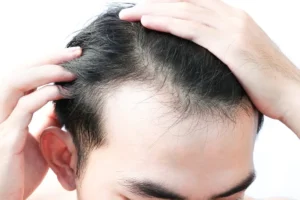
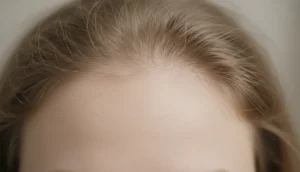
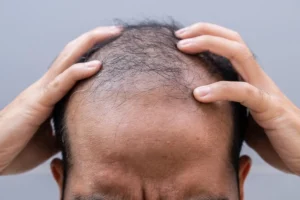
Seeing more scalp than hair at the age of 18 can feel shocking, especially when you ask yourself, why am i balding at 18. Early‑onset hair loss affects thousands of young adults each year, and understanding the underlying reasons is the first step toward effective treatment. In many cases, the condition is linked to genetic factors, hormonal changes, or lifestyle habits that accelerate hair thinning.
In this article we will break down the most common causes of hair loss in teenagers and young adults, explain how professionals diagnose the problem, and outline practical prevention strategies. We’ll also review medical and surgical options, including the advanced transplant techniques offered by Gold City Hair, so you can make an informed decision about restoring your confidence.
Whether you’re dealing with a receding hairline, patchy spots, or overall thinning, the information below will help you identify the root cause and choose the right path forward.
Common Causes of Early Hair Loss
Hair loss before the age of 20 is rarely random; several well‑studied factors often play a role. Recognizing these can help you pinpoint why you’re experiencing thinning at such a young age.
Genetic Predisposition (Androgenetic Alopecia)
Androgenetic alopecia, also known as male or female pattern baldness, is the most frequent cause of early hair loss. It is driven by a combination of genetics and the hormone dihydrotestosterone (DHT), which shortens the growth phase of hair follicles.
Alopesi Areata
This autoimmune condition causes sudden, patchy hair loss and can appear at any age, including adolescence. The immune system mistakenly attacks hair follicles, leading to smooth bald spots.
Traction Alopecia
Frequent tight hairstyles—such as braids, ponytails, or hair extensions—can pull on the scalp and damage follicles over time. Young people who style their hair aggressively are at higher risk.
Hormonal Imbalances and Health Issues
Conditions like thyroid disorders, severe acne treatments, or nutritional deficiencies can disrupt the hair growth cycle, resulting in noticeable thinning.
- Thyroid dysfunction (hypo‑ or hyper‑thyroidism)
- Iron or vitamin D deficiency
- High stress levels leading to telogen effluvium
How to Diagnose the Reason Behind Your Hair Loss
Accurate diagnosis is essential before starting any treatment plan. A dermatologist or trichologist will typically follow a systematic approach to determine why you are losing hair at 18.
Clinical Scalp Examination
The specialist inspects the pattern of thinning, checks for signs of inflammation, and evaluates the overall health of the scalp. This visual assessment helps differentiate between pattern baldness, alopecia areata, and other conditions.
Medical History and Blood Tests
Providing a detailed medical history—including family history of baldness, recent illnesses, medications, and lifestyle habits—guides the clinician toward potential hormonal or nutritional causes. Blood tests may include:
| Test | Purpose |
|---|---|
| Complete Blood Count (CBC) | Detect anemia or infection |
| Thyroid Panel | Identify thyroid imbalances |
| Ferritin & Vitamin D | Assess iron and vitamin status |
| Hormone Levels (Testosterone, DHT) | Evaluate androgenic activity |
Trichoscopy and Scalp Biopsy
High‑magnification dermoscopy (trichoscopy) reveals follicle miniaturization typical of androgenetic alopecia or the characteristic “exclamation mark” hairs of alopecia areata. In ambiguous cases, a small scalp biopsy may be performed.
Lifestyle Factors and Prevention Strategies
Even if genetics play a major role, lifestyle choices can accelerate or mitigate hair loss. Understanding these factors empowers you to take proactive steps.
Nutrition and Supplements
Hair is primarily made of keratin, a protein that requires adequate intake of amino acids, iron, zinc, and vitamins A, C, D, and E. A balanced diet rich in lean meats, fish, legumes, nuts, and leafy greens supports follicle health.
Stress Management
Chronic stress can push a larger number of hairs into the telogen (resting) phase, leading to diffuse shedding known as telogen effluvium. Techniques such as mindfulness, regular exercise, and adequate sleep help maintain hormonal balance.
Hair Care Practices
Avoid harsh chemical treatments, excessive heat, and tight hairstyles that cause traction alopecia. Opt for gentle shampoos, limit the use of straighteners, and let hair dry naturally when possible.
- Use a mild, sulfate‑free shampoo
- Limit hair ties to loose styles
- Protect hair from UV exposure with hats or sunscreen sprays
Treatment Options for Young Adults
When early hair loss becomes noticeable, several evidence‑based treatments can halt progression and stimulate regrowth. The choice depends on the underlying cause, severity, and personal preferences.
Topical and Oral Medications
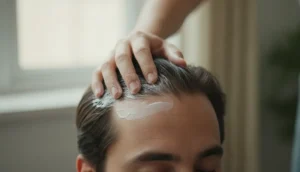
Minoxidil (2% or 5%) is an over‑the‑counter topical solution that prolongs the growth phase of follicles. It is often the first line of defense for pattern baldness and telogen effluvium.
Finasteride, an oral prescription medication, inhibits the conversion of testosterone to DHT, addressing the hormonal driver of androgenetic alopecia. It is typically recommended for men aged 18 and older after a thorough medical evaluation.
Platelet‑Rich Plasma (PRP) Therapy
PRP involves injecting concentrated platelets from your own blood into the scalp to stimulate natural growth factors. Several sessions can improve density for mild‑to‑moderate thinning.
Hair Transplant Surgery
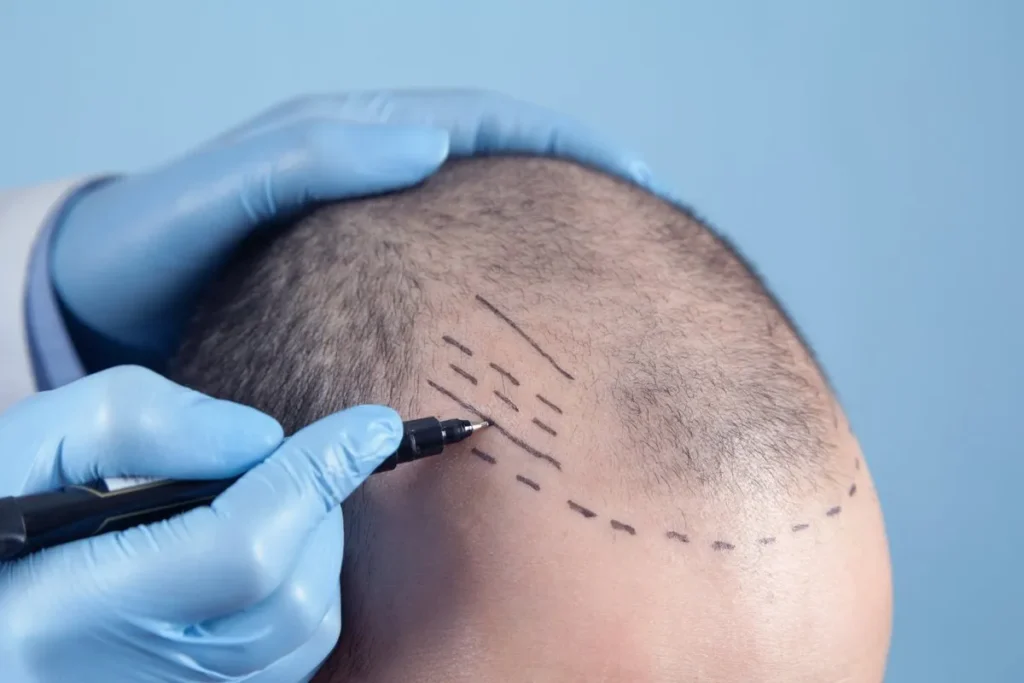
For individuals with stable hair loss patterns and sufficient donor hair, follicular unit extraction (FUE) or direct hair implantation (DHI) offers a permanent solution. Modern techniques produce natural‑looking results with minimal scarring.
- Minoxidil – daily topical application
- Finasteride – daily oral tablet (prescription)
- PRP – series of 3‑4 sessions, spaced 4‑6 weeks apart
- FUE/DHI – surgical transplant for permanent restoration
When to Consider a Hair Transplant at a Young Age
Deciding on a transplant before your mid‑20s can be daunting, but certain criteria make the procedure a viable option for 18‑year‑olds.
Stability of Hair Loss
Transplant success relies on a stable pattern of loss. If your hairline has stopped receding for at least 12 months, you are a better candidate.
Adequate Donor Area
A sufficient supply of healthy follicles in the back or sides of the scalp is essential. Young patients often have a generous donor zone, which can yield natural results.
Realistic Expectations
Understanding that a transplant restores hair to the transplanted area but does not prevent future loss elsewhere is crucial. Ongoing medical therapy may still be recommended.
| Factor | Ideal Condition for Transplant |
|---|---|
| Hair loss stability | No significant change for 12+ months |
| Donor density | ≥ 40 follicles per cm² |
| Age | 18–30 years, with mature scalp |
| Health status | Good overall health, no contraindicating conditions |
Choosing a reputable clinic that offers FUE or DHI with experienced surgeons ensures the highest chance of a natural, lasting outcome.
Why Choose Gold City Hair
Gold City Hair has been delivering personalized hair restoration solutions in Turkey since 2017. Our clinic specializes in advanced FUE ve DHI techniques, as well as eyebrow and beard transplants, providing a comprehensive approach to early‑onset baldness. We prioritize transparent communication, thorough pre‑procedure evaluation, and post‑treatment support to help you regain confidence and a natural‑looking hairline.
Ready to take the next step toward a fuller head of hair? Contact Gold City Hair today for a personalized consultation and discover the best treatment plan for your unique situation.
SSS
What are the most common causes of hair loss in teenagers?
The leading causes are genetic androgenetic alopecia, alopecia areata, traction alopecia, hormonal imbalances, and nutritional deficiencies.
How is early-onset baldness diagnosed?
A dermatologist conducts a scalp exam, reviews medical history, orders blood tests, and may use trichoscopy or a scalp biopsy.
Can lifestyle changes prevent or slow down hair loss at 18?
Yes, proper nutrition, stress management, and gentle hair care can mitigate progression.
What treatment options are effective for young adults with hair loss?
Topical minoxidil, oral finasteride, PRP therapy, and hair transplant surgery are the main evidence‑based options.
When is a hair transplant appropriate for someone who is 18?
A transplant is suitable when hair loss has been stable for at least 12 months, donor density is adequate, and expectations are realistic.
What are the side effects of minoxidil and finasteride for young users?
Minoxidil may cause scalp irritation and unwanted facial hair, while finasteride can lead to sexual dysfunction and hormonal changes.