Hair diseases and disorders affect millions of people worldwide, yet many individuals remain unsure about what triggers hair loss or thinning and how to address it effectively. This article provides a comprehensive overview of the most prevalent conditions, their underlying causes, diagnostic approaches, and treatment pathways, helping you make informed decisions about your scalp health.
According to recent dermatology surveys, up to 40% of adults experience noticeable hair thinning by the age of 35, highlighting the widespread impact of these conditions. Whether you are dealing with patchy loss, gradual thinning, or sudden shedding, understanding the root cause is essential for selecting the right intervention.
We will explore the spectrum of hair disorders—from genetic forms such as androgenetic alopecia to stress‑related shedding like telogen effluvium—while also outlining practical steps you can take to restore confidence and promote healthy regrowth.
Common Types of Hair Diseases
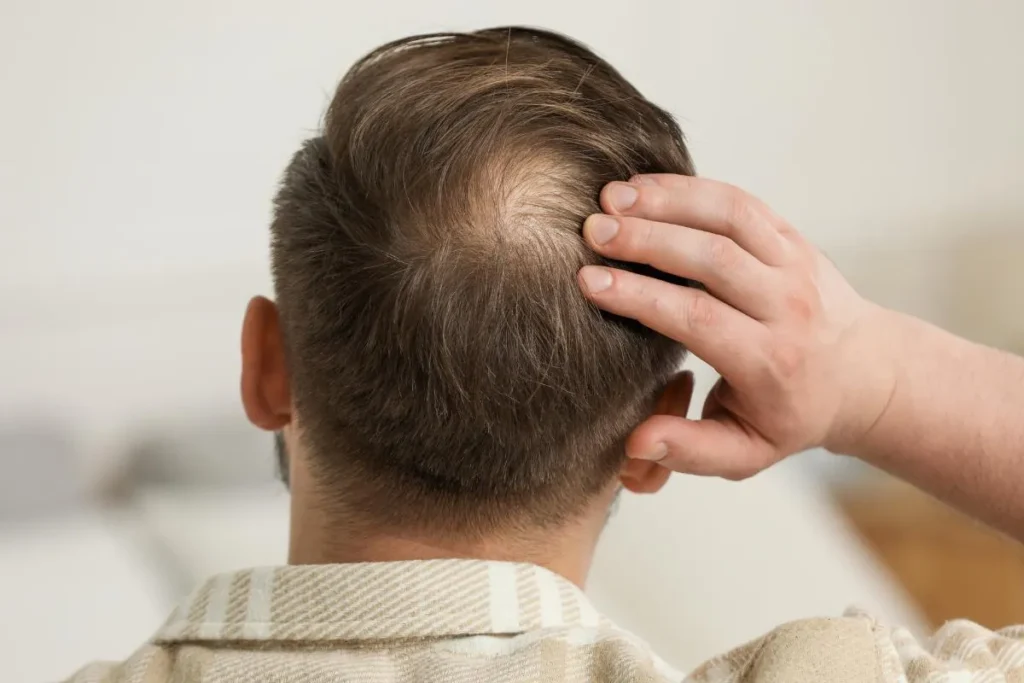
Hair disorders can be grouped by pattern, cause, and progression. Recognizing the specific type you are facing is the first step toward effective management.
Alopecia areata is an autoimmune condition that leads to sudden, round patches of hair loss on the scalp or other body areas. While the exact trigger remains unclear, it often appears in otherwise healthy individuals and may resolve spontaneously.
Androgenetic alopecia, commonly known as male or female pattern baldness, is the most prevalent form of hair loss. It results from a combination of genetic predisposition and hormonal influences, typically presenting as a receding hairline in men and diffuse thinning over the crown in women.
Telogen effluvium occurs when a larger than normal number of hairs enter the resting (telogen) phase, leading to diffuse shedding. Common triggers include severe stress, illness, rapid weight loss, or hormonal changes.
Traction alopecia is caused by chronic tension on the hair shaft from tight hairstyles such as braids, ponytails, or extensions. Over time, this tension can damage follicles and result in permanent loss if not addressed.
| Condition | Typical Pattern | Primary Cause | Potential for Regrowth |
|---|---|---|---|
| Alopesi Areata | Patchy, round spots | Autoimmune attack | Variable; often responsive to treatment |
| Androgenetik Alopesi | Receding hairline / crown thinning | Genetic + hormonal | Limited without intervention |
| Telogen Effluvium | Diffuse shedding | Stress, illness, hormonal shift | Usually reversible |
| Traction Alopecia | Fringe or temporal loss | Mechanical tension | Reversible if caught early |
Causes and Risk Factors
Understanding why hair disorders develop helps you target prevention and treatment. The following factors are most frequently implicated:
- Genetics: Family history is a strong predictor for androgenetic alopecia and certain forms of alopecia.
- Hormonal changes: Fluctuations in dihydrotestosterone (DHT), thyroid hormones, and estrogen can accelerate thinning.
- Nutritional deficiencies: Lack of iron, zinc, biotin, or protein can weaken hair shafts and impede growth.
- Stress and trauma: Physical or emotional stress can precipitate telogen effluvium or exacerbate existing conditions.
- Medical conditions: Autoimmune diseases, scalp infections, and dermatological disorders like psoriasis may lead to localized loss.
- Medications: Certain drugs, including chemotherapy agents, beta‑blockers, and anticoagulants, have hair loss as a side effect.
While some risk factors—such as genetics—are unavoidable, many lifestyle and health-related contributors can be modified. Regular blood work to assess iron levels, a balanced diet rich in omega‑3 fatty acids, and stress‑management techniques are practical steps that support scalp resilience.
Diagnosing Hair Disorders
Accurate diagnosis is essential to tailor treatment. Dermatologists employ a combination of visual inspection, specialized tools, and laboratory tests.
Clinical Examination
The physician first evaluates the pattern of loss, scalp condition, and any signs of inflammation or scaling. This visual assessment helps differentiate between scarring and non‑scarring alopecia.
Trichoscopy
Using a handheld dermatoscope, clinicians magnify the scalp to identify follicular miniaturization, exclamation‑mark hairs, or perifollicular inflammation—key markers for conditions like alopecia areata or androgenetic alopecia.
Scalp Biopsy
In ambiguous cases, a small tissue sample may be taken for histopathological analysis, revealing inflammatory infiltrates or fibrosis that guide diagnosis.
Blood Tests
Laboratory work can uncover underlying systemic issues such as thyroid dysfunction, anemia, or hormonal imbalances that contribute to hair thinning.
| Diagnostic Tool | Purpose | Typical Findings |
|---|---|---|
| Clinical Exam | Pattern identification | Receding hairline, patchy loss |
| Trichoscopy | Microscopic follicle assessment | Miniaturized hairs, yellow dots |
| Biopsy | Histology | Inflammatory cells, scarring |
| Blood Tests | Systemic evaluation | Low ferritin, abnormal TSH |
Treatment Options and What to Expect
Treatment strategies vary according to the diagnosis, severity, and patient goals. Below are the main categories:
- Topical medications: Minoxidil 5% solution or foam stimulates follicular blood flow and can halt progression of androgenetic alopecia.
- Oral therapies: Finasteride (for men) reduces DHT levels; anti‑inflammatory drugs may help in alopecia areata.
- Procedural interventions:
- FUE (Follicular Unit Extraction): Individual follicles are harvested and implanted, offering natural‑looking results with minimal scarring.
- DHI (Direct Hair Implantation): Similar to FUE but uses a specialized pen for precise placement, reducing handling time.
- PRP (Platelet‑Rich Plasma): Autologous plasma injections promote healing and stimulate dormant follicles.
- Lifestyle modifications: Optimizing nutrition, managing stress, and avoiding tight hairstyles can complement medical treatments.
Most patients notice initial improvement within three to six months of consistent therapy, while surgical options typically show visible growth after nine to twelve months. Combining medical and procedural approaches often yields the best outcomes, especially for progressive conditions like androgenetic alopecia.
Ne Zaman Profesyonel Yardım Alınmalı?
If you notice any of the following signs, it is advisable to schedule a consultation with a qualified dermatologist or hair restoration clinic:
- Sudden patchy loss or circular bald spots.
- Gradual thinning that becomes noticeable over a few months.
- Excessive shedding of more than 100 hairs per day.
- Scalp irritation, redness, or persistent itching.
- Family history of early‑onset baldness.
Early evaluation not only clarifies the diagnosis but also expands the range of effective interventions. Delaying treatment can lead to irreversible follicular damage, especially in scarring types of alopecia.
Why Choose Gold City Hair
Gold City Hair has been delivering personalized hair restoration solutions in Turkey since 2017. Our team combines expertise in FUE, DHI, and eyebrow/beard transplants with a commitment to transparent communication, ensuring each patient receives a tailored plan that aligns with their aesthetic goals and medical needs.
Choosing Gold City Hair means benefiting from state‑of‑the‑art facilities, internationally trained specialists, and a supportive environment that prioritizes your confidence and long‑term scalp health.
Ready to take the first step toward a fuller, healthier head of hair? Contact Gold City Hair today to schedule a confidential consultation and discover the most effective treatment pathway for your unique condition.
Regain your confidence—your journey to lasting hair restoration begins now.
SSS
What are the most common hair diseases and disorders?
The most common hair conditions include alopecia areata, androgenetic alopecia, telogen effluvium, and traction alopecia.
How can I differentiate between alopecia areata and androgenetic alopecia?
Alopecia areata causes sudden, round patches of hair loss, while androgenetic alopecia shows gradual thinning in predictable patterns.
What causes telogen effluvium and how is it treated?
Telogen effluvium is triggered by stress, illness, rapid weight loss, or hormonal shifts, and it usually resolves once the underlying cause is addressed.
Which diagnostic tools do dermatologists use to identify hair loss?
Dermatologists employ clinical examination, trichoscopy, scalp biopsy, and blood tests to diagnose hair disorders.
What are the treatment options for hair loss, including surgical methods?
Treatment ranges from topical minoxidil and oral finasteride to procedural options like FUE, DHI, and PRP therapy.
When should I seek professional help for hair thinning or shedding?
Consult a dermatologist if you notice sudden patchy loss, progressive thinning, excessive shedding, scalp irritation, or have a family history of early baldness.





