One of the most common questions for anyone considering hair restoration is where are hair follicles located. Knowing the exact position of these tiny structures helps explain how hair grows, why loss occurs, and how modern transplant techniques target them with precision. In this article we explore the layers of skin that house the follicle, map its distribution across the body, and highlight factors that affect density and placement. A recent study showed that the average human scalp contains about 100,000 follicles, each anchored deep within the dermis, underscoring the complexity of any restoration plan.
Understanding follicle location is not just academic; it directly influences the success of procedures like FUE and DHI offered by Gold City Hair. By grasping the anatomy, patients can set realistic expectations and collaborate more effectively with their surgeons. Below, we break down the science behind follicle placement, clear up common myths, and explain how this knowledge guides personalized treatment.
Whether you are experiencing thinning, pattern baldness, or simply curious about the biology of your hair, the information here will give you a clear picture of the structures that make every strand possible.
Hair Follicle Anatomy: Layers and Key Components
Bu hair follicle is a dynamic mini‑organ that spans from the surface of the skin down into the deeper layers. Its base begins in the dermis, often extending into the subcutaneous tissue, while the visible portion emerges through the epidermis as the hair shaft. The main parts include:
- Hair bulb: The swollen, lower end where cells divide rapidly during the anagen phase.
- Dermal papilla: A cluster of specialized fibroblasts that supply nutrients and signals to the bulb.
- Hair shaft: The keratinized tube that we see, composed of the cuticle, cortex, and medulla.
- Hair root: The portion of the shaft below the skin surface, anchored in the follicle.
- Arrector pili muscle: A tiny muscle that contracts to raise the hair (goosebumps).
These components are organized within three primary skin layers:
| Skin Layer | Follicle Position | Key Structures |
|---|---|---|
| Epidermis | Outer opening (infundibulum) | Hair shaft, cuticle |
| Dermis | Bulb and papilla reside here | Dermal papilla, sebaceous gland |
| Subcutaneous Tissue | Deepest part of large follicles | Arrector pili muscle attachment |
Understanding this layered arrangement clarifies why extraction techniques must target the follicle at the correct depth to preserve the hair papilla and ensure graft viability.
Distribution of Hair Follicles Across the Human Body
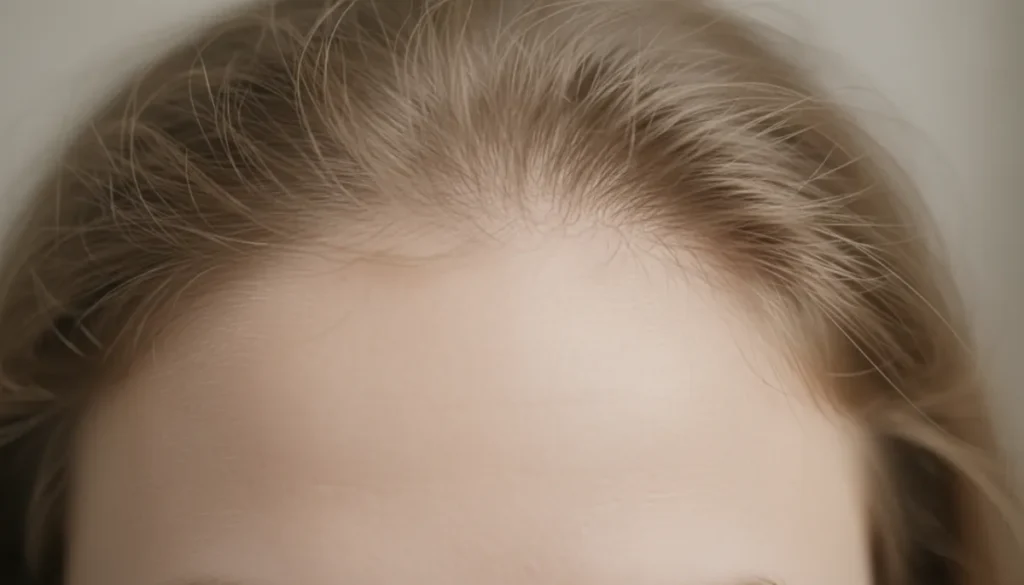
Hair follicles are not uniformly spread; their density varies dramatically depending on the region. While the scalp boasts the highest concentration, other areas such as the face, arms, and legs have distinct patterns that reflect evolutionary and functional needs.
- Scalp: Approximately 100,000 follicles, averaging 2,200 per square inch.
- Face (beard, mustache, eyebrows): Higher density in males due to androgen influence; eyebrows contain about 250 follicles per square centimeter.
- Chest and back: Moderate density, often used as donor sites in hair transplantation.
- Limbs: Lower density, with fine, vellus hairs covering the forearms and legs.
- Pubic region: Coarse, curlier hairs with a unique growth cycle.
These variations are crucial when planning a hair transplant. Surgeons evaluate donor areas with the highest follicle count and optimal growth characteristics, typically the occipital scalp, to ensure natural results.
Factors Influencing Follicle Density and Placement
Several biological and environmental factors determine how many follicles develop in a given area and where they settle during embryonic development.
Genetik
Genetic coding directs the formation of hair placodes, the embryonic precursors to follicles. Variations in genes such as FGF5 ve WNT pathways can increase or decrease overall density.
Hormonal Influence
Androgens, especially dihydrotestosterone (DHT), affect follicle size and lifespan. This explains why men often have denser facial hair while also experiencing scalp thinning.
Age and Health
As we age, the proportion of follicles in the active anagen phase declines, leading to thinner hair. Nutritional deficiencies and chronic illnesses can also impair follicle health.
Mechanical Stress
Repeated friction, tight hairstyles, or chronic inflammation can cause follicular miniaturization or loss, altering the natural distribution.
Below is a quick reference table summarizing how each factor impacts follicle location and density.
| Factor | Effect on Density | Typical Impact on Location |
|---|---|---|
| Genetik | High or low baseline count | Uniform across body, but scalp most affected |
| Hormones | Increases facial and chest density | May reduce scalp density in androgen‑sensitive regions |
| Age | Gradual decline | Reduced anagen follicles, especially on crown |
| Mechanical Stress | Localized loss | Areas under constant tension (e.g., hairline, ponytail area) |
Common Misconceptions About Follicle Location
Many people hold inaccurate beliefs about the placement and function of hair follicles, which can lead to confusion when evaluating treatment options.
- “Hair grows from the skin surface.” In reality, the visible shaft is only the tip; the active growth occurs deep within the bulb.
- “All follicles are the same size.” Follicles vary from fine vellus types to thick terminal types, especially between scalp and beard.
- “Pulling a hair removes the follicle.” The follicle remains anchored in the dermis; only the shaft is extracted unless trauma is severe.
- “Follicles are only on the head.” As shown earlier, follicles are present throughout most of the body, each with distinct characteristics.
Clarifying these points helps patients understand why a skilled surgeon focuses on the precise depth and angle of each graft, preserving the natural orientation of the hair root and ensuring optimal growth post‑procedure.
Why Choose Gold City Hair
At Gold City Hair, we combine cutting‑edge FUE and DHI techniques with a deep understanding of hair follicle anatomy to deliver natural, lasting results. Since 2017, our team has performed thousands of successful transplants, tailoring each plan to the individual’s unique follicle distribution and growth cycle. Transparent communication, personalized care, and a commitment to safety make us a trusted partner for anyone seeking to restore confidence through hair restoration.
Ready to take the next step toward a fuller, healthier look? Contact Gold City Hair today for a personalized consultation and discover how our expertise in follicle location can transform your hair journey.
SSS
Where are hair follicles located in the skin?
Hair follicles begin in the dermis, extend through the epidermis, and may reach the subcutaneous tissue.
How many hair follicles are on the average human scalp?
Approximately 100,000 follicles, averaging about 2,200 per square inch.
What factors affect hair follicle density and placement?
Genetics, hormones, age, health, and mechanical stress all influence density and location.
What are common misconceptions about hair follicle location?
People often think hair grows from the surface, that all follicles are the same size, and that pulling a hair removes the follicle.
How do FUE and DHI techniques target hair follicles?
Both methods extract individual follicles at the correct depth, preserving the papilla for optimal graft survival.
Which body areas have the highest hair follicle density?
The scalp has the highest density, followed by the face (eyebrows, beard) and then the chest and back.
How does age influence hair follicle location and growth?
Aging reduces the number of active anagen follicles, especially on the crown, leading to thinner hair.