Many people wonder do hair follicles grow back after they have been damaged or lost, and the answer depends on the underlying cause and the health of the scalp. Hair loss affects millions worldwide, with up to 40 % of men and 30 % of women experiencing noticeable thinning by age 35. This article breaks down the biology of the follicle, common reasons it may stop producing hair, and the most effective ways—both natural and medical—to encourage regrowth.
We’ll explore the hair growth cycle, identify factors that can permanently damage follicles, and highlight evidence‑based treatments such as minoxidil, finasteride, platelet‑rich plasma (PRP), and advanced hair transplant techniques like FUE and DHI. Whether you’re dealing with androgenetic alopecia, alopecia areata, or temporary shedding, understanding the mechanisms behind follicle health empowers you to make informed decisions.
By the end of this guide, you’ll know why some follicles can recover, when they cannot, and what realistic expectations you should have from various hair loss solutions.
The Biology of Hair Follicles and the Growth Cycle
Bu hair follicle is a mini‑organ that cycles through three distinct phases: anagen (growth), catagen (regression), and telogen (rest). During the anagen phase, cells in the hair bulb divide rapidly, pushing the hair shaft upward. This phase can last anywhere from 2 to 7 years, determining the maximum length of your hair. In catagen, a short transitional period of about 2‑3 weeks, the follicle shrinks and prepares for the resting stage. Finally, telogen lasts roughly 3‑4 months, after which the old hair is shed and a new anagen cycle begins.
Key factors that influence the duration and quality of each phase include genetics, hormonal balance (especially dihydrotestosterone, or DHT), nutrition, and scalp health. When DHT binds to receptors in the follicle, it can shorten the anagen phase and miniaturize the hair shaft, leading to the classic pattern of male or female baldness.
- Anagen: Active growth; determines hair length.
- Catagen: Transition; follicle shrinks.
- Telogen: Rest; hair is shed.
Understanding these phases helps explain why certain treatments aim to prolong anagen (e.g., minoxidil) while others seek to replace lost follicles entirely (e.g., hair transplant).
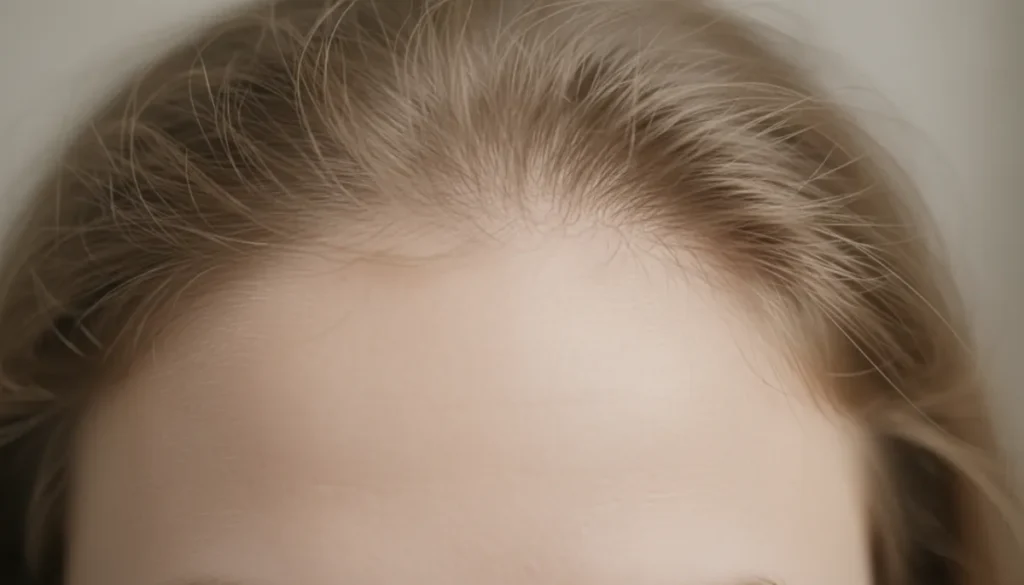
Common Causes of Follicle Damage and Hair Loss
Not all hair loss is reversible. When the follicle’s stem cells are destroyed, it cannot regenerate, making the answer to do hair follicles grow back a definitive “no.” Below are the most frequent culprits that lead to permanent follicle damage.
| Cause | Mechanism | Potential for Regrowth |
|---|---|---|
| Scarring Alopecia | Inflammatory destruction of follicular tissue | Low – scar tissue replaces functional follicles |
| Severe Burn or Chemical Injury | Thermal or toxic damage to the dermal papilla | Very Low – often requires surgical grafting |
| Advanced Androgenetic Alopecia | Chronic DHT exposure miniaturizes follicles | Moderate – medical therapy can reactivate some |
| Alopesi Areata | Autoimmune attack on the follicle bulb | Variable – many experience spontaneous regrowth |
Other contributing factors include nutritional deficiencies (iron, zinc, biotin), chronic stress, and certain medications that disrupt the hair cycle. When diagnosing the cause, clinicians often assess the pattern of loss, perform a scalp examination, and may order blood tests to rule out systemic issues.
For those whose follicles remain viable, the next step is to create an environment that encourages them to re‑enter the anagen phase.
Natural Ways to Support Follicle Regeneration
While medical treatments are powerful, many people start with lifestyle adjustments and hair growth products that can improve follicle health. These approaches are especially useful for early‑stage thinning where the follicles are still alive but dormant.
Nutrition and Supplements
Hair is primarily made of keratin, a protein that requires adequate amino acids, iron, and vitamins. Incorporating the following nutrients can boost the follicle’s metabolic activity:
- Biotin (Vitamin B7) – Supports keratin production; found in eggs, nuts, and supplements.
- Vitamin D – Regulates hair follicle cycling; deficiency is linked to alopecia.
- Iron and Zinc – Essential for oxygen transport and DNA synthesis in rapidly dividing cells.
- Omega‑3 Fatty Acids – Reduce inflammation and improve scalp circulation.
Scalp Care Practices
Gentle cleansing, regular massage, and avoiding harsh chemicals can maintain a healthy scalp microenvironment. A few practical tips:
- Use sulfate‑free shampoos that preserve natural oils.
- Massage the scalp for 5‑10 minutes daily to stimulate blood flow.
- Limit heat styling and tight hairstyles that cause traction alopecia.
Topical hair growth products containing minoxidil (2 % for women, 5 % for men) are FDA‑approved and have been shown to prolong the anagen phase, leading to visible regrowth in many users. While not a permanent cure, they can buy time while you explore longer‑term solutions.
Medical Treatments That Encourage New Follicle Growth
When natural methods are insufficient, clinicians turn to proven hair loss treatment options. These interventions either reactivate dormant follicles or replace lost ones through transplantation.
| Treatment | How It Works | Typical Success Rate | Key Considerations |
|---|---|---|---|
| Minoxidil (Topical) | Vasodilator that prolongs anagen phase | 30‑40 % see moderate regrowth | Must be used continuously; possible scalp irritation |
| Finasteride (Oral) | 5‑α‑reductase inhibitor reduces DHT levels | 60‑70 % experience halted loss and new growth | Prescription only; not for women of child‑bearing age |
| Platelet‑Rich Plasma (PRP) | Injects growth factors to stimulate follicle activity | 40‑55 % report increased density after 3‑4 sessions | Multiple sessions required; results vary |
| FUE (Follicular Unit Extraction) | Transplants individual follicles from donor area | 85‑95 % graft survival when performed by experts | Invasive; recovery period of 7‑10 days |
| DHI (Doğrudan Saç İmplantasyonu) | Implants follicles using a pen‑like device for precision | Similar to FUE with potentially higher density | Requires skilled surgeon; cost slightly higher |
Procedures like FUE and DHI answer the question “do transplanted hair follicles grow back?” by physically relocating healthy follicles to balding zones, where they continue to follow their natural growth cycle. Because the transplanted follicles retain their original genetic resistance to DHT, they can produce lasting, natural‑looking hair.
For individuals with scarring alopecia or extensive loss, surgical grafting remains the most reliable way to achieve permanent coverage. Combining surgery with adjunctive medical therapy often yields the best long‑term outcomes.
What to Expect After a Hair Transplant Procedure
Understanding the post‑procedure timeline helps set realistic expectations about follicle survival and regrowth. Immediately after FUE or DHI, the transplanted area may appear reddened and have tiny scabs that fall off within 10‑14 days. The newly placed follicles enter a short “shock” phase, during which they temporarily shed the transplanted hairs—this is normal and does not indicate failure.
Growth Timeline
- Weeks 1‑2: Scabs heal; transplanted hairs may shed.
- Months 2‑4: New hair shafts emerge as follicles re‑enter anagen.
- Months 6‑12: Majority of grafts have matured; noticeable density improvement.
- Month 12+: Final results stabilize; most patients achieve 80‑90 % of their projected density.
During recovery, patients are advised to avoid direct sun exposure, wear loose headwear, and follow a gentle cleansing routine. Continuing a hair loss treatment regimen—such as low‑dose finasteride or topical minoxidil—can protect existing native follicles and enhance overall results.
Overall, while the transplanted follicles themselves do not “grow back” in the sense of regenerating after removal, they remain viable and produce new hair in their new location, effectively answering the core question for most candidates.
Why Choose Gold City Hair
At Gold City Saç, we combine over six years of expertise with the latest FUE and DHI technologies to deliver natural, lasting results. Our personalized consultations ensure a treatment plan tailored to your specific type of alopecia, while our transparent communication keeps you informed at every step. Based in Turkey, we offer world‑class care at competitive prices, allowing you to restore confidence without compromising on quality.
Ready to discover if your hair follicles can be revitalized? Contact Gold City Hair today for a free, no‑obligation assessment and take the first step toward a fuller, healthier scalp.
SSS
Do hair follicles grow back after damage?
It depends on the cause; some follicles can recover while scarred or severely damaged ones cannot.
What are the phases of the hair growth cycle?
The cycle includes anagen (growth), catagen (transition), and telogen (rest).
Which medical treatments can stimulate new follicle growth?
Minoxidil, finasteride, PRP, and hair transplant techniques such as FUE and DHI are proven options.
Can natural supplements help regrow hair follicles?
Supplements like biotin, vitamin D, iron, zinc, and omega‑3 can support follicle health but are not a cure.
What is the success rate of FUE and DHI hair transplants?
Both techniques achieve 85‑95% graft survival when performed by experienced surgeons.
How long does it take to see results after a hair transplant?
Initial shedding occurs in weeks 1‑2; new growth appears 2‑4 months, with full results by 12‑18 months.





