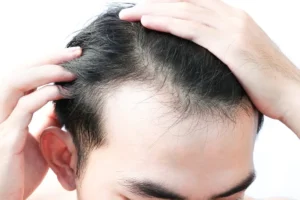
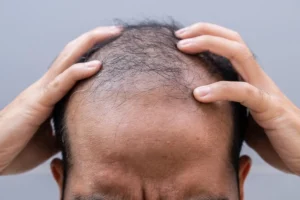
Being 18 and losing hair can feel confusing and unsettling, especially when peers are just beginning to think about college or careers. Early hair loss is more common than many realize, affecting up to 10% of teenagers worldwide. This article explains the most frequent reasons a young adult might notice thinning strands, outlines how to diagnose the issue accurately, and presents both non‑surgical and surgical options—including the state‑of‑the‑art procedures offered by Gold City Hair.
We’ll start by looking at genetic and environmental triggers, then move on to practical steps you can take right now to slow the process. Whether you’re dealing with alopecia areata, androgenetic alopecia, or simple traction from tight hairstyles, understanding the root cause is essential for choosing the right treatment.
Finally, we’ll discuss how to protect your confidence while you explore solutions, and why partnering with an experienced clinic can make a decisive difference in outcomes.
Common Causes of Early Hair Loss
Hair loss before the age of 20 often stems from a combination of genetic, hormonal, and lifestyle factors. While some cases are temporary, others may signal a longer‑term pattern that could progress into adult baldness if left untreated.
- Androgenetic alopecia (male or female pattern baldness) – the most prevalent form, driven by genetics and DHT hormone sensitivity.
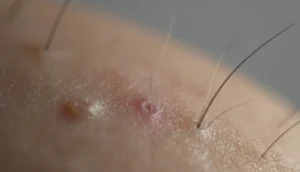
- Alopecia areata – an autoimmune condition that causes sudden, patchy hair loss.
- Traction alopecia – results from tight hairstyles like braids, ponytails, or hats that pull on the scalp.
- Hormonal changes – fluctuations during puberty can increase sebum production and affect hair follicles.
- Nutritional deficiencies – low iron, zinc, or vitamin D can weaken hair growth.
- Stress and illness – high cortisol levels and certain medical conditions can trigger shedding.
Below is a quick comparison of the most common early‑onset hair loss types:
| Condition | Typical Pattern | Onset Age | Key Indicators |
|---|---|---|---|
| Androgenetik Alopesi | Receding hairline, thinning crown | 15‑25 | Family history, gradual thinning |
| Alopesi Areata | Round, smooth patches | 8‑30 | Sudden spot loss, may affect eyebrows |
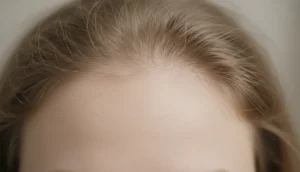
| Traction Alopecia | Hair loss along hairline | 12‑20 | History of tight hairstyles, tenderness |
Understanding which of these patterns matches your situation is the first step toward effective treatment. If you’re 18 and losing hair, a professional scalp evaluation can pinpoint the exact cause and guide your next actions.

How to Diagnose Hair Thinning at 18
Self‑assessment can give you clues, but an accurate diagnosis requires a qualified professional. Dermatologists and hair restoration specialists use a combination of visual exams, medical history, and sometimes laboratory tests.
Step‑by‑Step Diagnostic Process
- Medical History Review – Discuss family history of baldness, recent illnesses, medication use, and lifestyle factors.
- Scalp Examination – The clinician inspects the scalp for pattern, density, and signs of inflammation.
- Pull Test – Gently tugging a small section of hair to see how many strands fall out; more than 10% may indicate active shedding.
- Trichoscopy – A magnified view of the scalp that reveals follicle health, miniaturization, and signs of alopecia areata.
- Blood Work (if needed) – Checks for iron deficiency, thyroid disorders, and hormonal imbalances that could contribute to hair loss.
For those 18 and losing hair, the pull test often reveals early-stage androgenetic alopecia if a significant number of hairs detach easily. Trichoscopic images can differentiate between miniaturized follicles (typical of male pattern baldness) and the smooth patches seen in alopecia areata.
Below is a simple checklist you can use before scheduling an appointment:
- Do you have a family history of baldness?
- Is the thinning localized (e.g., receding hairline) or patchy?
- Do you experience scalp itching, redness, or pain?
- Are you under chronic stress or have a recent illness?
- Do you use tight hairstyles or heavy hair products?
Completing this checklist helps the clinician focus on the most relevant tests, saving time and ensuring a tailored treatment plan.
Non‑Surgical Treatments and Lifestyle Changes
Before considering surgery, many 18‑year‑olds benefit from conservative approaches that can halt or even reverse early hair loss. These options are generally low‑risk, affordable, and can be combined for greater effect.
Topical and Oral Medications
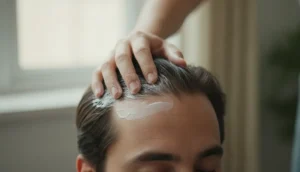
- Minoxidil (Rogaine) – 5% solution applied twice daily; stimulates follicular growth and prolongs the anagen phase.
- Finasteride (Propecia) – Oral 1 mg tablet; blocks DHT conversion, most effective for androgenetic alopecia in males.
- Low‑level laser therapy (LLLT) – Handheld or helmet devices that improve blood flow to the scalp.
- Biotin and Vitamin D supplements – Support overall hair health when deficiencies are present.
Hair‑Friendly Lifestyle Adjustments
Adopting healthy habits can dramatically improve hair resilience:
- Maintain a balanced diet rich in protein, iron, zinc, and omega‑3 fatty acids.
- Reduce stress through regular exercise, meditation, or yoga.
- Avoid tight hairstyles, harsh chemicals, and excessive heat styling.
- Use gentle, sulfate‑free shampoos and conditioners designed for thinning hair.
For those who are 18 and losing hair, consistency is key. Many patients notice visible improvement within three to six months of disciplined treatment.
When Surgical Options Are Worth Considering
If non‑surgical methods fail to provide satisfactory density, surgical restoration becomes a viable path. Modern techniques such as FUE (Follicular Unit Extraction) and DHI (Direct Hair Implantation) offer natural‑looking results with minimal downtime—ideal for young adults who want a permanent solution.
Choosing Between FUE and DHI
| Feature | FUE | DHI |
|---|---|---|
| Extraction Method | Individual follicles harvested with a micro‑punch | Follicles extracted and implanted using a Choi pen |
| Implantation Speed | Requires separate incision and placement steps | Direct implantation reduces handling time |
| Recovery Time | 5‑7 days for minor redness | 3‑5 days, often less swelling |
| Ideal Candidates | Moderate to extensive hair loss | Precision work in the frontal area, limited donor supply |
Both techniques can be performed on patients as young as 18, provided the donor area is sufficient and the scalp is healthy. A thorough pre‑operative assessment will determine which method aligns best with your hair pattern, budget, and aesthetic goals.
Key considerations for young candidates include:
- Long‑term stability of the donor hair (usually taken from the back of the head).
- Potential for future hair loss—planning for future sessions.
- Realistic expectations about density and coverage.
When executed by an experienced team, transplant surgery can restore confidence and create a permanent, natural‑looking hairline that ages gracefully.
Managing the Emotional Impact and Building Confidence
Hair loss at any age can affect self‑esteem, especially during the formative years of late adolescence. Addressing the psychological aspect is as important as the physical treatment.
Coping Strategies
- Seek support groups—online forums and local meet‑ups provide shared experiences.
- Consider counseling or therapy to work through anxiety and body‑image concerns.
- Experiment with styling options (e.g., textured cuts, hats) while you pursue treatment.
- Focus on strengths outside appearance—academics, sports, or creative pursuits.
Many clinics, including Gold City Hair, offer post‑procedure counseling to help patients adjust to their new look and maintain confidence throughout the healing process.
Remember, being 18 and losing hair is not a permanent identity. With the right mix of early detection, targeted therapy, and emotional support, you can regain both hair and confidence.
Why Choose Gold City Hair for Your Hair Restoration
Gold City Hair has been delivering personalized hair restoration solutions in Turkey since 2017. Our clinic combines the latest FUE and DHI technologies with a patient‑first approach, ensuring transparent communication at every step. Whether you are 18 and losing hair or seeking a mature solution, our experienced surgeons design a treatment plan tailored to your unique scalp condition, lifestyle, and aesthetic goals. We prioritize safety, natural results, and lasting confidence for every client.
Ready to take the next step toward a fuller, healthier hairline? Contact Gold City Hair today for a free, no‑obligation consultation and discover the personalized plan that’s right for you.
SSS
What are the most common causes of hair loss in 18‑year‑olds?
The main causes are androgenetic alopecia, alopecia areata, traction alopecia, hormonal changes, nutritional deficiencies, and stress‑related shedding.
How can I diagnose hair thinning at age 18 before seeing a doctor?
Use a self‑checklist, perform a pull test, and look for family history or pattern clues, but a professional exam is essential for accurate diagnosis.
What non‑surgical treatments work best for an 18‑year‑old with early hair loss?
Topical minoxidil, oral finasteride (for males), low‑level laser therapy, and lifestyle changes such as a balanced diet and stress reduction are effective first‑line options.
When should I consider surgical hair restoration as an 18‑year‑old?
If non‑surgical methods fail to achieve satisfactory density after 6‑12 months and you have a stable donor area, surgery like FUE or DHI can be considered.
How does stress contribute to hair loss in teenagers?
Stress raises cortisol levels, which can push hair follicles into the telogen (resting) phase, leading to increased shedding known as telogen effluvium.
What emotional support is recommended for young adults dealing with hair loss?
Join support groups, consider counseling, experiment with styling options, and focus on non‑appearance strengths to maintain confidence.