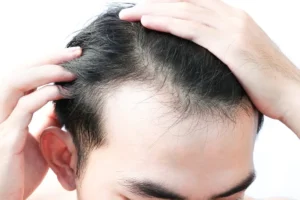
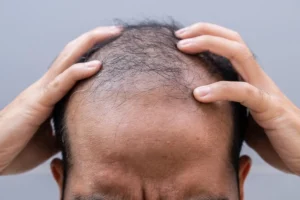
How common is alopecia? This question is on the mind of many who notice thinning strands or bald patches and wonder whether they are part of a larger trend. In this article we examine the global frequency of hair loss, identify the most prevalent forms, and explain why understanding these patterns matters for anyone considering a solution.
Hair loss affects millions of people across age groups, genders, and ethnicities. Studies suggest that up to 80% of men will experience some degree of hair thinning by the age of 35, while a significant portion of women notice noticeable shedding after menopause. Recognizing how common alopecia is can help demystify the condition and empower you to take proactive steps.
We will break down the statistics, explore the different types of alopecia, discuss contributing factors, and outline the signs that indicate professional evaluation is needed. Whether you are dealing with male pattern baldness, alopecia areata, or another form, the information below will guide you toward informed decisions and effective treatment options.
Global Prevalence and Demographic Patterns
Worldwide surveys reveal that alopecia is not a rare occurrence. Approximately 30% of the global population experiences some form of hair loss during their lifetime. The prevalence varies by region, age, and gender, with certain types more common in specific demographics.
- Androgenetic alopecia (often called male or female pattern baldness) affects about 50 million men and 30 million women in the United States alone.
- Alopecia areata impacts roughly 2 % of the population, with onset frequently occurring in childhood or early adulthood.
- Telogen effluvium, a temporary shedding condition, is reported by up to 10 % of individuals after major stressors such as illness or surgery.
- Traction alopecia, linked to tight hairstyles, is most prevalent among women of African descent, affecting an estimated 5 % of that group.
These figures illustrate that hair loss is a common health concern, not a personal anomaly. The following table compares the estimated prevalence of major alopecia types across different age brackets:
| Type of Alopecia | Prevalence in Children | Prevalence in Adults (20‑40) | Prevalence in Adults (40+) |
|---|---|---|---|
| Androgenetik Alopesi | 0.5 % | 15 % | 35 % |
| Alopesi Areata | 1 % | 2 % | 1.5 % |
| Telogen Effluvium | 0.2 % | 3 % | 4 % |
| Traction Alopecia | 0.1 % | 2 % | 2.5 % |
Understanding these statistics helps answer the core question—how common is alopecia—by placing individual experiences within a broader epidemiological context.
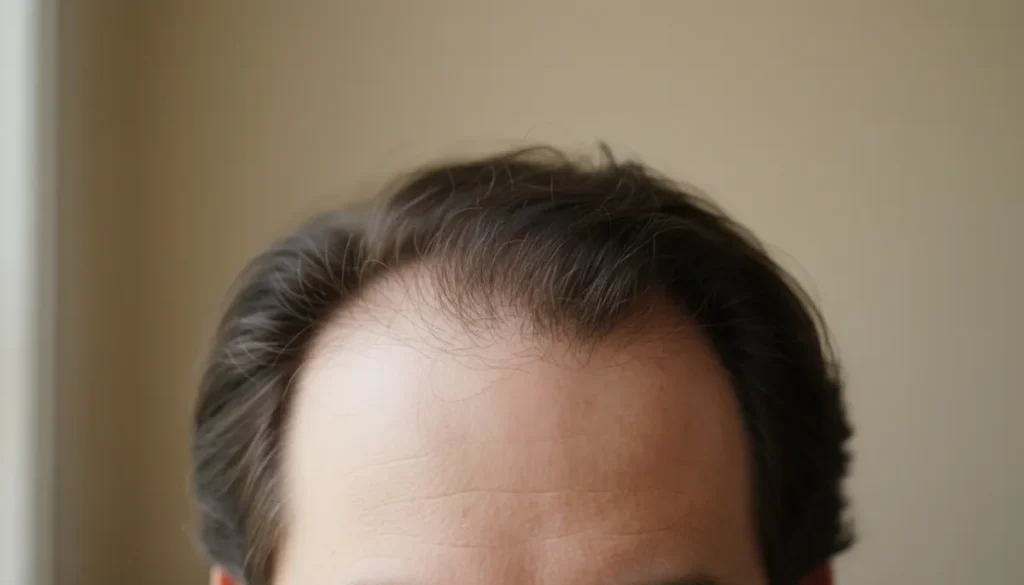
Common Types of Alopecia and Their Frequency
While the umbrella term “alopecia” covers many conditions, a few forms dominate the statistics. Below we explore the most frequent types, their typical presentation, and how often they appear in the general population.
Alopesi Areata
Alopecia areata is an autoimmune disorder that causes sudden, patchy hair loss. It affects roughly 2 % of people worldwide, making it one of the most common non‑pattern forms. The condition can progress to alopecia totalis (complete scalp loss) or alopecia universalis (total body hair loss), though these extreme variants are rare.
Androgenetik Alopesi
Also known as male or female pattern baldness, androgenetic alopecia is driven by genetics and hormonal factors, particularly dihydrotestosterone (DHT). It accounts for the majority of permanent hair loss cases—up to 80 % of men and 50 % of women experience it at some point.
Telogen Effluvium
Telogen effluvium is a temporary shedding phase triggered by stress, illness, or hormonal changes. While not permanent, it can affect up to 10 % of adults after a major life event, leading many to wonder “how common is alopecia?” in the context of short‑term hair loss.
Traction Alopecia
Resulting from chronic tension on the hair shaft—often due to tight braids, ponytails, or extensions—traction alopecia is most frequent among women who style their hair tightly. Early detection is key, as the condition can become permanent if the stress continues.
The following comparison highlights key features of each type:
| Type | Typical Onset | Pattern | Reversibility |
|---|---|---|---|
| Alopesi Areata | Childhood‑young adult | Patchy spots | Variable, may regrow |
| Androgenetik Alopesi | Late teens‑30s | Receding hairline, thinning crown | Usually permanent |
| Telogen Effluvium | Any age after stress | Diffuse shedding | Typically regrows |
| Traction Alopecia | Adolescence‑30s | Frontal or temporal thinning | Reversible if caught early |
By recognizing the distinct characteristics and frequencies of each form, individuals can better assess their own situation and seek appropriate care.
Risk Factors and Underlying Causes
Understanding why alopecia occurs helps answer the question of its prevalence. Multiple risk factors intersect, making some people more susceptible than others.
- Genetik: Family history is the strongest predictor, especially for androgenetic alopecia.
- Hormonal Changes: Fluctuations during puberty, pregnancy, menopause, or thyroid disorders can trigger shedding.
- Autoimmune Activity: Conditions such as alopecia areata arise when the immune system mistakenly attacks hair follicles.
- Stress and Illness: Physical or emotional stress can precipitate telogen effluvium, leading to sudden diffuse hair loss.
- Mechanical Trauma: Tight hairstyles, harsh brushing, or frequent chemical treatments contribute to traction alopecia and overall hair weakening.
- Nutritional Deficiencies: Lack of iron, vitamin D, or protein can exacerbate thinning and slow regrowth.
These factors often overlap. For example, a person with a genetic predisposition to androgenetic alopecia may notice accelerated loss after a stressful event or hormonal shift. Recognizing the interplay of these elements can guide both preventive measures and treatment choices.
When evaluating personal risk, consider creating a simple checklist:
- Do close relatives have early‑onset baldness?
- Have you experienced recent major stress, illness, or surgery?
- Do you use hairstyles that pull tightly on the scalp?
- Are you experiencing hormonal changes (e.g., menopause, thyroid issues)?
- Is your diet balanced and rich in essential nutrients?
If you answer “yes” to several items, it may explain why you’re noticing increased shedding and underscores why many wonder how common alopecia truly is.
When to Seek Professional Help and Treatment Options
Not every case of hair loss requires medical intervention, but certain signs indicate it’s time to consult a specialist. Persistent receding hairline, rapidly expanding bald patches, or hair loss that does not improve after three months of addressing lifestyle factors should prompt a professional evaluation.
Clinicians assess the underlying cause through visual examination, medical history, and sometimes scalp biopsy or blood tests. Once a diagnosis is confirmed, a range of treatments becomes available:
- Medication: Minoxidil and finasteride are FDA‑approved for androgenetic alopecia, helping to slow loss and promote regrowth.
- Platelet‑Rich Plasma (PRP): Involves injecting concentrated platelets to stimulate follicle activity.
- Low‑Level Laser Therapy (LLLT): Non‑invasive light treatment that may improve hair density.
- Surgical Restoration: Techniques such as Follicular Unit Extraction (FUE) and Direct Hair Implantation (DHI) relocate healthy follicles to balding areas.
- Topical Immunotherapy: Used for extensive alopecia areata to trigger an allergic reaction that can restart growth.
For those considering a permanent solution, hair transplantation offers a high success rate when performed by experienced teams. Modern methods like FUE and DHI provide natural‑looking results with minimal scarring, making them popular choices for both men and women.
Early consultation not only clarifies the specific type of alopecia you are dealing with but also expands the range of effective interventions, improving the likelihood of a satisfactory outcome.
Myths and Misconceptions About Alopecia
Misunderstanding surrounding hair loss can lead to unnecessary anxiety and delayed treatment. Below are common myths debunked with evidence‑based facts.
- Myth: Only men experience significant hair loss.
Fact: Women also face androgenetic alopecia, often presenting as diffuse thinning rather than a receding hairline. - Myth: Wearing hats causes baldness.
Fact: Hats do not restrict scalp circulation; traction from tight hairstyles is the real culprit. - Myth: Shampoo can reverse baldness.
Fact: No shampoo can regrow lost follicles; medical or surgical treatments are required for permanent loss. - Myth: All hair loss is permanent.
Fact: Conditions like telogen effluvium and early‑stage traction alopecia are often reversible with proper care. - Myth: Hair transplants are only for advanced baldness.
Fact: Modern FUE and DHI techniques can address early to moderate thinning, providing natural density.
Dispelling these myths empowers individuals to make informed choices and seek appropriate care without stigma.
Why Choose Gold City Hair
At Gold City Hair we combine advanced FUE ve DHI techniques with a personalized approach that prioritizes patient comfort and transparent communication. Since 2017, our clinic in Turkey has helped thousands restore confidence through natural‑looking hair restoration. Our experienced surgeons tailor each plan to the individual’s pattern of loss, ensuring optimal graft survival and aesthetic results. With state‑of‑the‑art facilities and a commitment to ongoing education, we deliver safe, effective solutions for all types of alopecia.
Ready to take the next step toward a fuller head of hair? Contact Gold City Hair today to schedule a confidential consultation and discover the best treatment option for your unique situation.
Regain your confidence and enjoy lasting results—your journey to restored hair begins now.
SSS
How common is alopecia?
Alopecia affects roughly 30% of the global population at some point in their lives.
What are the most common types of alopecia?
The most frequent forms are androgenetic alopecia, alopecia areata, telogen effluvium, and traction alopecia.
What risk factors contribute to alopecia?
Genetics, hormonal changes, autoimmune activity, stress, mechanical trauma, and nutritional deficiencies are key risk factors.
When should I see a doctor for hair loss?
Seek professional help if hair loss is persistent, rapidly progressing, or does not improve after three months of lifestyle changes.
What treatment options are available for alopecia?
Treatments range from medications like minoxidil and finasteride to PRP, laser therapy, topical immunotherapy, and surgical hair transplantation.