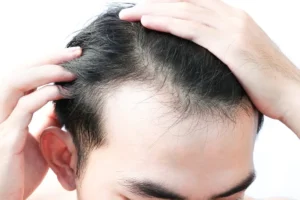
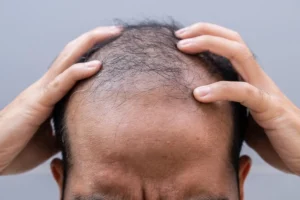
Sudden hair loss in males can be alarming, especially when it happens quickly and without warning. Recognizing the reasons for sudden hair loss in males is essential for determining the right treatment path and restoring confidence. In this article we explore the most common triggers, explain how they differ from gradual thinning, and provide guidance on when to seek professional evaluation. According to recent dermatology surveys, up to 30% of men experience an unexpected shedding episode at some point in their lives, underscoring the importance of early detection.
We will break down hormonal influences, stress‑related shedding, underlying health issues, medication side effects, and lifestyle habits that can accelerate hair loss. By understanding these factors, you can make informed decisions about prevention, lifestyle adjustments, and potential restorative procedures such as FUE or DHI offered by Gold City Hair.
Let’s dive into the science behind each cause and learn practical steps to protect your hair.
Hormonal Shifts and Androgenetic Alopecia
One of the most prevalent causes of rapid hair loss in men is the interaction between genetics and hormones, particularly dihydrotestosterone (DHT). While androgenetic alopecia typically progresses slowly, a sudden increase in DHT levels can trigger noticeable shedding within weeks.
How DHT Affects Hair Follicles
DHT binds to receptors in the scalp’s hair follicles, shortening the anagen (growth) phase and miniaturizing the hairs. When this process accelerates, men may notice a widening of the hairline or a bald spot on the crown.
- Genetic predisposition: family history of male pattern baldness.
- Hormonal fluctuations: increased testosterone conversion to DHT.
- Age factor: most common after age 30, but can appear earlier.
Key Signs to Watch For
Typical signs include a receding hairline, thinning at the temples, and a smooth bald patch on the vertex. If these changes occur suddenly, it may indicate an underlying hormonal imbalance.
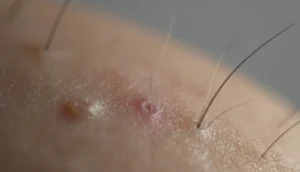
Acute Stress and Telogen Effluvium
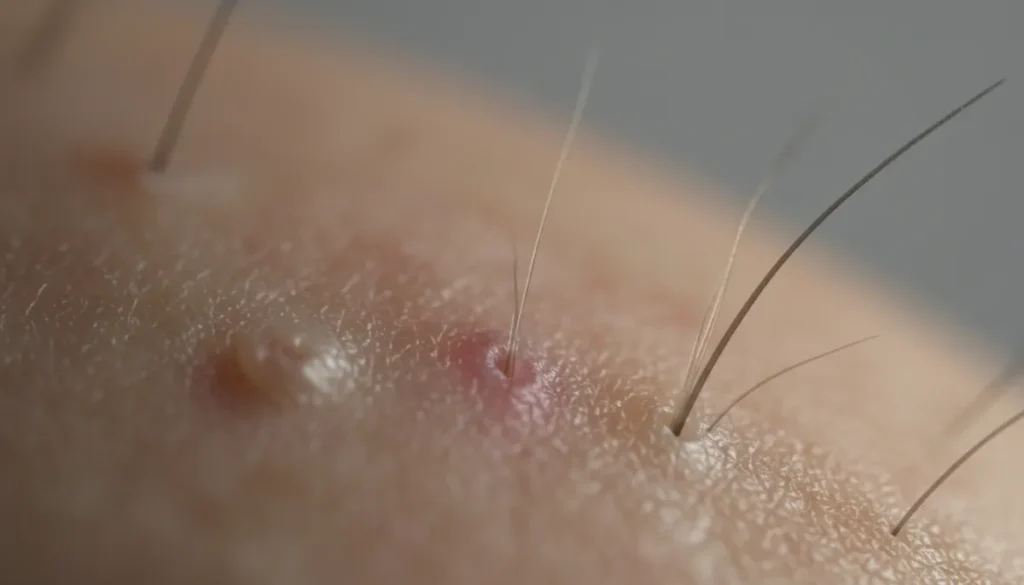
Stressful events—whether emotional, physical, or surgical—can push a large number of hairs into the telogen (resting) phase, resulting in a condition known as telogen effluvium. This type of shedding often appears 2–3 months after the triggering incident, leading many men to wonder about the sudden hair loss.
Common Triggers
| Trigger | Typical Onset |
|---|---|
| Major surgery or trauma | 6–8 weeks |
| Severe emotional stress | 2–3 months |
| Intense dieting or rapid weight loss | 1–2 months |
| Fever or illness | 2–4 weeks |
Managing Telogen Effluvium
Since the condition is usually temporary, the focus is on reducing stressors and supporting scalp health. Nutrient‑rich diets, adequate sleep, and gentle hair care can shorten the shedding period. If the hair does not regrow within six months, further evaluation may be needed to rule out other causes.
Medical Conditions and Nutrient Deficiencies
Underlying health issues often masquerade as sudden hair loss. Conditions such as thyroid disorders, autoimmune diseases like alopecia areata, and iron deficiency can disrupt the normal hair cycle, causing rapid thinning or patchy baldness.
Thyroid Imbalance
Both hypothyroidism and hyperthyroidism affect metabolism, which in turn influences hair growth. Symptoms may include dry skin, fatigue, and unexplained weight changes alongside hair shedding.
Autoimmune Alopecia
Alopecia areata is an autoimmune attack on hair follicles, leading to round bald patches that can appear abruptly. While the exact trigger is unknown, it often co‑exists with other autoimmune conditions.
Key Nutrients for Hair Health
- Iron: essential for oxygen transport to follicles.
- Zinc: supports cell division and repair.
- Vitamin D: regulates hair follicle cycling.
- Biotin: contributes to keratin production.
If you suspect a medical cause, a comprehensive blood panel can identify deficiencies or hormonal irregularities. Addressing the root condition usually restores normal hair growth over time.
Medications and Lifestyle Factors
Several prescription drugs and lifestyle habits can unintentionally accelerate hair loss. Recognizing these factors is crucial when evaluating the reasons for sudden hair loss in males.
Medications Known to Cause Hair Shedding
| Medication | Typical Hair Effect |
|---|---|
| Finasteride (high dose) | Potential temporary shedding |
| Anticoagulants (e.g., warfarin) | Diffuse thinning |
| Retinoids (isotretinoin) | Hair thinning during treatment |
| Chemotherapy agents | Rapid, widespread loss |
Lifestyle Contributors
- Smoking: reduces scalp blood flow.
- Excessive alcohol: dehydrates hair and impairs nutrient absorption.
- Harsh styling: tight braids or frequent heat can cause traction alopecia.
- Poor sleep: disrupts hormonal balance.
Adjusting these habits—quitting smoking, moderating alcohol intake, and using gentle hair care products—can mitigate further loss and promote regrowth.
When to Seek Professional Evaluation
While many causes of sudden hair loss are reversible, some require medical intervention. If you notice any of the following, schedule a consultation with a qualified hair restoration specialist:
- Hair loss persisting longer than six months.
- Sudden, patchy bald spots accompanied by itching or pain.
- Visible scalp inflammation, redness, or scaling.
- Concurrent symptoms such as fatigue, weight changes, or skin rashes.
Specialists can perform a thorough scalp examination, dermatoscopy, and laboratory testing to pinpoint the exact cause. For cases linked to androgenetic alopecia or advanced telogen effluvium, procedures like FUE (Follicular Unit Extraction) or DHI (Direct Hair Implantation) may provide lasting restoration.
Why Choose Gold City Hair
Gold City Hair has been delivering personalized hair restoration solutions in Turkey since 2017. Our clinic combines state‑of‑the‑art techniques such as FUE, DHI, and eyebrow/beard transplants with transparent communication and a patient‑first approach. By tailoring each treatment to the individual’s unique condition, we help men regain confidence and natural‑looking results.
Ready to take control of sudden hair loss? Contact Gold City Hair today for a confidential consultation and discover the most effective, customized solution for your needs.
Book your appointment now and start your journey toward a fuller, healthier head of hair.
SSS
What are the common reasons for sudden hair loss in men?
Sudden hair loss in men is often caused by hormonal changes, acute stress, medical conditions, medication side effects, and lifestyle habits.
How does DHT cause rapid hair shedding?
DHT binds to scalp follicle receptors, shortening the growth phase and miniaturizing hairs, which leads to quick shedding.
What is telogen effluvium and how is it triggered by stress?
Telogen effluvium is a temporary shedding condition where stress pushes hairs into the resting phase, causing noticeable loss after weeks to months.
Which medical conditions can lead to sudden hair loss in males?
Thyroid disorders, autoimmune alopecia areata, and nutrient deficiencies like iron, zinc, vitamin D, and biotin can cause abrupt hair loss.
Can medications cause sudden hair loss and which ones are most common?
Yes; high‑dose finasteride, anticoagulants, retinoids, and chemotherapy agents are among the drugs most frequently linked to rapid shedding.
When should I see a hair restoration specialist for sudden hair loss?
Seek professional evaluation if loss lasts over six months, appears patchy with pain or itching, or is accompanied by other health symptoms.