Many people wonder why does hair loss happen, and the answer lies in a combination of genetic, hormonal, and environmental factors. Hair loss is a common concern that can affect confidence and overall well‑being, whether it appears as a receding hairline, thinning crown, or complete baldness. In this article we will explore the science behind hair loss, identify the most frequent triggers, and discuss practical steps you can take to manage or reverse the condition.
According to recent studies, up to 70% of men and 40% of women experience noticeable hair thinning by the age of 35. Understanding the underlying mechanisms is essential for selecting the right treatment, whether it’s medication, lifestyle changes, or a hair transplant performed by specialists at Gold City Hair.
We will cover the primary types of alopecia, the role of hormones such as dihydrotestosterone (DHT), the impact of stress and nutrition, and the latest advances in hair restoration. By the end of this guide, you’ll have a clear picture of why hair loss happens and how you can take informed action.
The Biology of Hair Growth and Loss
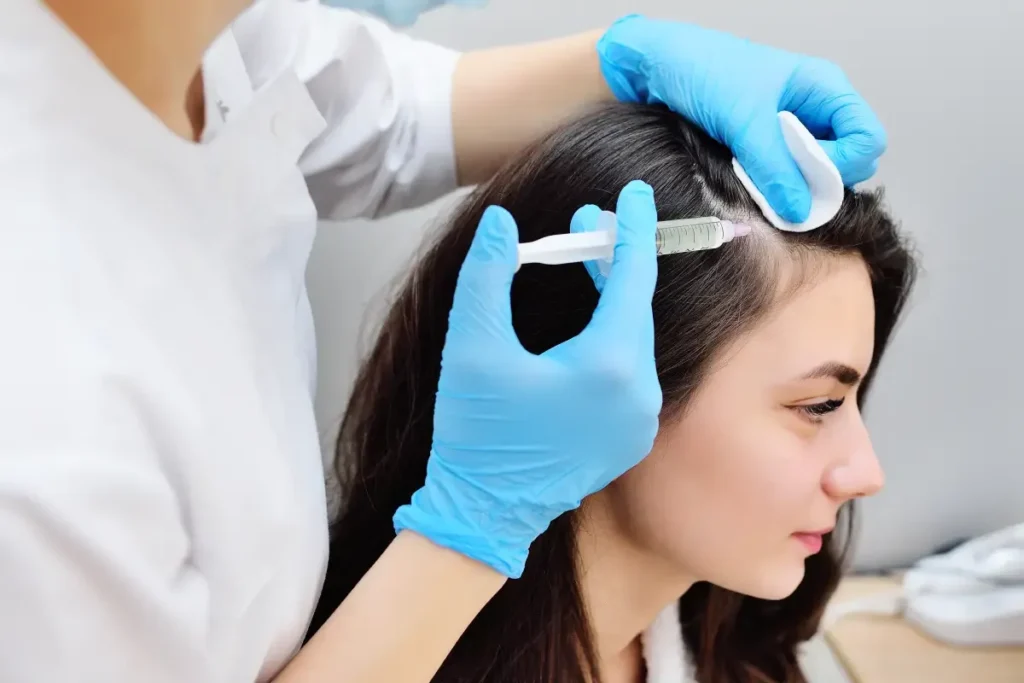
Hair grows in cycles that include the anagen (growth), catagen (transition), and telogen (resting) phases. Disruption in any of these stages can lead to hair thinning or shedding. The most common biological cause of hair loss is androgenetic alopecia, often referred to as male or female pattern baldness.
Key Hormonal Influences
Androgens, particularly DHT, bind to receptors in hair follicles and shorten the anagen phase, causing follicles to shrink—a process known as miniaturization. This explains why male pattern baldness typically follows a predictable pattern of recession at the temples and thinning at the crown.
Telogen Effluvium
Stress, illness, or major weight loss can push a large number of follicles into the telogen phase simultaneously, resulting in diffuse shedding known as telogen effluvium. This type of loss is usually temporary but can be alarming.
- Normal hair growth cycle: 2–6 years (anagen)
- Transition phase (catagen): 2–3 weeks
- Resting phase (telogen): 2–4 months
| Phase | Duration | Typical Appearance |
|---|---|---|
| Anagen | 2–6 years | Thick, pigmented hair |
| Catagen | 2–3 weeks | Short, translucent shaft |
| Telogen | 2–4 months | Shedding of loose hairs |
Genetic and Hormonal Causes of Pattern Baldness
Genetics play a pivotal role in determining who will develop androgenic alopecia. If close family members experienced early hair loss, the likelihood increases significantly. The condition is linked to variations in the androgen receptor gene, which amplifies the follicle’s sensitivity to DHT.
Male vs. Female Pattern Baldness
While men often see a classic “M” shape recession, women usually experience diffuse thinning over the top of the scalp, preserving the frontal hairline. This distinction is important for selecting appropriate treatments, such as finasteride for men or minoxidil for women.
Impact of Hormonal Changes
Pregnancy, menopause, and thyroid disorders can shift hormone balances, leading to temporary or permanent hair loss. Post‑partum hair loss, for instance, is a form of telogen effluvium triggered by rapid hormonal fluctuations after childbirth.
- Androgen receptor gene variants increase DHT sensitivity
- Finasteride blocks conversion of testosterone to DHT (men)
- Minoxidil promotes blood flow to follicles (both sexes)
External Factors: Stress, Nutrition, and Lifestyle
Beyond genetics, lifestyle choices and external stressors can accelerate hair loss. Chronic stress elevates cortisol levels, which disrupts the hair cycle and can trigger telogen effluvium. Poor nutrition, especially deficiencies in iron, zinc, and biotin, deprives follicles of essential building blocks.
Dietary Influences
A balanced diet rich in protein, omega‑3 fatty acids, and antioxidants supports healthy hair growth. Conversely, crash diets or extreme weight loss can cause rapid shedding due to nutrient shortages.
Environmental and Mechanical Damage
Frequent use of harsh chemicals, heat styling, and tight hairstyles (traction alopecia) can damage the hair shaft and follicle, leading to breakage and localized loss.
| Factor | Effect on Hair | Preventive Action |
|---|---|---|
| High stress | Telogen effluvium | Stress‑management techniques |
| Iron deficiency | Diffuse thinning | Iron‑rich foods or supplements |
| Traction hairstyles | Traction alopecia | Loose hairstyles, avoid tight braids |
Medical Conditions and Medications that Trigger Hair Loss
Several medical disorders can cause or worsen hair loss. Autoimmune conditions like alopecia areata lead to sudden patchy bald spots, while thyroid disorders (hypo‑ or hyperthyroidism) disrupt normal hair cycles.
Alopesi Areata
This condition occurs when the immune system attacks hair follicles, resulting in round, smooth bald patches. It can affect any age group and may be associated with other autoimmune diseases.
Impact of Medications
Chemotherapy, anticoagulants, and certain antihypertensive drugs can cause rapid hair shedding as a side effect. If you suspect a medication is responsible, consult your physician before stopping any treatment.
- Alopecia areata – autoimmune patchy loss
- Thyroid imbalance – diffuse thinning
- Chemotherapy – temporary complete loss
When to Seek Professional Help and Treatment Options
Understanding why does hair loss happen helps you decide when to intervene. If you notice rapid shedding, widening part lines, or bald spots that do not improve within six months, it’s time to consult a specialist.
Non‑Surgical Treatments
Topical minoxidil, oral finasteride, low‑level laser therapy, and platelet‑rich plasma (PRP) injections are proven to slow loss and stimulate regrowth in many patients.
Surgical Solutions
For permanent restoration, hair transplant techniques such as Follicular Unit Extraction (FUE) and Direct Hair Implantation (DHI) offer natural‑looking results. Gold City Hair, with its experienced team, provides personalized treatment plans that consider your hair type, loss pattern, and aesthetic goals.
| Treatment | Method | Typical Candidates |
|---|---|---|
| Minoxidil | Topical solution | Early‑stage thinning |
| Finasterid | Oral medication | Male pattern baldness |
| PRP Therapy | Injected platelet‑rich plasma | Active shedding, early loss |
| FUE/DHI Transplant | Surgical extraction and implantation | Advanced thinning or baldness |
Why Choose Gold City Hair
Gold City Hair has been delivering safe, effective hair restoration solutions in Turkey since 2017. Our clinic specializes in advanced techniques such as FUE and DHI, as well as eyebrow and beard transplants, ensuring a personalized approach for every client. We prioritize transparent communication, detailed pre‑procedure screenings, and post‑treatment support to help you regain confidence and natural‑looking results.
Our experienced medical team stays up‑to‑date with the latest research, offering customized plans that address the specific reasons behind your hair loss. Whether you are dealing with androgenetic alopecia, telogen effluvium, or alopecia areata, Gold City Hair provides a comprehensive pathway from diagnosis to lasting restoration.
Ready to take control of your hair health? Contact Gold City Hair today to schedule a confidential consultation and discover the best solution for your unique situation.
SSS
What are the main causes of hair loss?
Hair loss is mainly caused by genetics, hormones (especially DHT), stress, nutritional deficiencies, and certain medical conditions or medications.
How does DHT affect hair follicles?
DHT binds to receptors in hair follicles, shortening the growth phase and causing miniaturization of the hair shaft.
What is telogen effluvium and how can it be treated?
Telogen effluvium is a temporary shedding of hair caused by stress, illness, or rapid weight loss, and it often resolves with stress management and nutritional support.
Which lifestyle changes can help prevent hair loss?
Maintaining a balanced diet, reducing stress, avoiding harsh hair treatments, and ensuring adequate sleep can help preserve hair health.
What treatment options are available for androgenetic alopecia?
Options include topical minoxidil, oral finasteride, low‑level laser therapy, PRP injections, and surgical hair transplants like FUE or DHI.
When should I consult a specialist for hair loss?
If you notice rapid shedding, widening part lines, or bald spots that persist beyond six months, seek professional evaluation.
How effective are non‑surgical treatments like minoxidil and finasteride?
When used consistently, minoxidil and finasteride can halt progression and regrow hair in many patients, especially in early stages.
What is the difference between FUE and DHI hair transplants?
Both are extraction‑based methods, but DHI implants follicles directly without creating recipient channels, offering potentially higher graft survival.





