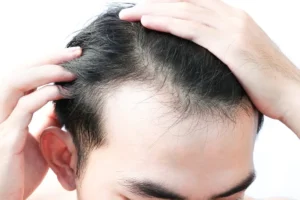
Understanding what lack of vitamins causes hair loss is the first step toward restoring a fuller, healthier scalp. Many people notice thinning strands or increased shedding and assume genetics or stress are the sole culprits, yet nutritional gaps play a significant role. In fact, studies show that up to 45% of individuals with unexplained hair loss have an underlying micronutrient deficiency.
This article explores the specific vitamins whose absence can trigger hair loss, how to recognize deficiency signs, and practical ways to replenish them through diet and supplements. Whether you are experiencing early thinning or more pronounced balding, the information here will help you pinpoint nutritional factors that may be undermining your hair growth.
By the end of this guide, you’ll know which nutrients to prioritize, what tests to consider, and when professional hair restoration, such as the services offered by Gold City Hair, might be the appropriate next step.
Understanding Vitamin Deficiencies and Hair Health

Hair follicles are among the fastest‑growing cells in the body, and they rely on a steady supply of nutrients to maintain the growth cycle. When the body lacks key vitamins, the follicles can enter a resting phase, leading to increased shedding and slower regrowth.
The most critical vitamins for hair include:
- Vitamin D – supports follicle health and immune regulation.
- Vitamin A – promotes sebum production, which lubricates the scalp.
- Vitamin E – protects cells from oxidative stress.
- Vitamin C – aids iron absorption and collagen formation.
- B‑complex vitamins (B6, B12, Biotin) – essential for cell metabolism and keratin production.
When any of these nutrients are insufficient, the hair growth cycle can become disrupted, resulting in the pattern of loss that many attribute solely to genetics.
Key Vitamins Linked to Hair Loss
Research consistently identifies several micronutrients whose shortage directly contributes to hair thinning. Below, we examine each vitamin and its specific role.
D Vitamini
D Vitamini functions like a hormone, influencing the growth phase of hair follicles. Deficiency can lead to a condition known as telogen effluvium, where a large number of hairs shift prematurely into the shedding phase. Studies indicate that what lack of vitamins causes hair loss often points to low vitamin D levels, especially in individuals with limited sun exposure.
Iron
Iron is crucial for oxygen transport to the scalp. Iron deficiency anemia is one of the most common causes of hair loss in women. When iron stores are depleted, follicles receive less oxygen, slowing growth and prompting shedding.
Vitamin A
While essential for sebum production, excessive vitamin A can also cause hair loss. A balanced intake supports a healthy scalp environment, but hypervitaminosis A may trigger follicular miniaturization.
B‑Complex Vitamins
Biotin (B7) is perhaps the most well‑known B vitamin for hair health. Deficiencies in biotin, B6, or B12 can impair keratin formation and reduce red blood cell production, both of which are vital for robust hair growth.
Zinc
Zinc plays a role in DNA and protein synthesis within hair follicles. Low zinc levels are linked to patchy hair loss and a dry, flaky scalp.
| Vitamin | Deficiency Symptom | Hair Impact |
|---|---|---|
| D Vitamini | Fatigue, bone pain | Telogen effluvium, thinning |
| Iron | Pale skin, dizziness | Diffuse shedding, slow growth |
| Vitamin A | Dry skin, vision issues | Follicle miniaturization |
| Biotin (B7) | Rash, brittle nails | Weak strands, breakage |
| Zinc | Loss of appetite, immune issues | Patchy loss, dry scalp |
Recognizing these patterns helps answer the question of what lack of vitamins causes hair loss and guides targeted supplementation.
How to Identify a Vitamin Deficiency
Detecting a deficiency begins with observing physical signs and confirming them through laboratory tests. Common indicators include:
- Persistent fatigue or weakness.
- Dry, flaky scalp or dandruff.
- Unexplained weight loss or appetite changes.
- Brittle nails or hair that breaks easily.
- Generalized pallor or pale gums.
When these symptoms appear alongside increased shedding, a simple blood panel can measure levels of vitamin D, ferritin (iron storage), B12, and zinc. Your physician may also assess dietary intake using a food frequency questionnaire to pinpoint gaps.
Self‑assessment tools are useful, but they cannot replace professional testing. If you suspect that what lack of vitamins causes hair loss is a factor for you, schedule a consultation with a qualified healthcare provider to obtain accurate results.
Dietary Strategies and Supplements for Hair Growth
Once deficiencies are identified, correcting them through diet and supplementation can dramatically improve hair density. Below are evidence‑based recommendations.
- D Vitamini: Fatty fish (salmon, mackerel), fortified dairy, and limited safe sun exposure. Consider a 1,000‑2,000 IU daily supplement if levels are low.
- Iron: Red meat, lentils, spinach, and pumpkin seeds. Pair with vitamin C‑rich foods to boost absorption.
- Vitamin A: Sweet potatoes, carrots, and kale. Maintain recommended daily allowance to avoid excess.
- Biotin: Eggs, almonds, and whole grains. A 5,000‑10,000 µg biotin supplement is common for hair support.
- Zinc: Oysters, beef, and chickpeas. A 15‑30 mg zinc supplement can be beneficial, but avoid high doses that interfere with copper absorption.
For convenience, many turn to best hair growth supplements that combine these nutrients. Look for products that list:
- Vitamin D3 (1,000 IU)
- Iron (as ferrous bisglycinate, 18 mg)
- Biotin (5,000 µg)
- Zinc (15 mg)
- Vitamin C (100 mg) to aid iron uptake
Remember that supplements work best when paired with a balanced diet. Over‑supplementation can cause adverse effects, so always follow recommended dosages and consult a healthcare professional.
When to Consider Medical Intervention
Even with optimal nutrition, some individuals experience persistent hair loss due to genetic factors, hormonal imbalances, or advanced follicle miniaturization. In such cases, medical treatments—including platelet‑rich plasma (PRP), low‑level laser therapy, and surgical hair transplantation—can provide lasting results.
Gold City Hair, a leading clinic in Turkey, specializes in advanced techniques such as Follicular Unit Extraction (FUE) and Direct Hair Implantation (DHI). Their personalized approach ensures that each patient receives a treatment plan tailored to their specific hair loss pattern and overall health.
If you have addressed nutritional deficiencies but still notice significant thinning, a consultation with a hair restoration specialist can help determine whether a transplant or adjunct therapy is appropriate.
Why Choose Gold City Hair
Gold City Hair combines cutting‑edge transplant technology with a commitment to individualized care. Since 2017, the clinic has delivered consistent, natural‑looking results using FUE and DHI methods, supported by a transparent communication model that keeps patients informed at every step. Their expertise in both surgical and non‑surgical hair solutions makes them a trusted partner for anyone seeking to restore confidence through fuller hair.
Ready to take the next step toward healthier hair? Contact Gold City Hair today for a personalized assessment and discover how our proven treatments can help you regain confidence.
Schedule your free consultation now and start your journey to a fuller, more vibrant look.
SSS
What vitamin deficiencies cause hair loss?
Deficiencies in vitamin D, iron, vitamin A, B‑complex (especially biotin), and zinc are most commonly linked to hair loss.
How does vitamin D affect hair growth?
Vitamin D acts like a hormone that regulates the hair growth cycle, keeping follicles in the anagen (growth) phase.
Can iron deficiency lead to hair shedding?
Yes, iron deficiency reduces oxygen transport to the scalp, slowing hair growth and causing diffuse shedding.
What are the signs of a vitamin deficiency affecting hair?
Common signs include thinning hair, increased shedding, dry scalp, brittle nails, fatigue, and pale skin.
What foods can help prevent hair loss due to nutrient gaps?
Include fatty fish, red meat, leafy greens, eggs, nuts, seeds, sweet potatoes, and citrus fruits in your diet.
When should I consider medical hair restoration after fixing deficiencies?
If hair loss continues despite correcting nutrient gaps, it may be time to explore PRP, laser therapy, or hair transplantation.