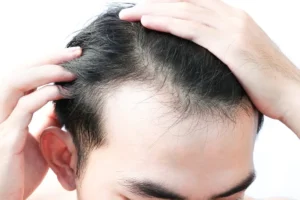
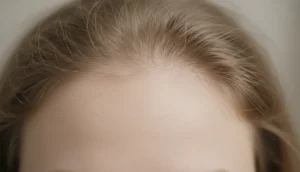
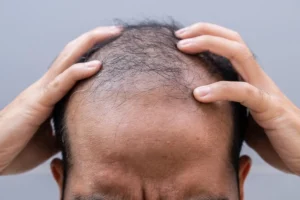
A weak hairline can be a source of self‑consciousness for many men and women, especially when it signals the early stages of hair loss. This article explains what creates a fragile hairline, how it connects to various forms of alopecia, and which treatments—both non‑surgical and surgical—can restore confidence. According to recent dermatology studies, up to 40 % of adults notice thinning along the frontal scalp before any other area is affected.
We will explore the underlying mechanisms, from genetics to lifestyle factors, and provide a clear roadmap for anyone seeking to strengthen their hairline. Whether you are dealing with a receding hairline, androgenetic alopecia, or simply a patch of thin hair, understanding the root cause is the first step toward an effective solution.
By the end of this guide, you will know which options are suitable for your situation and how a reputable clinic like Gold City Hair can help you achieve lasting results.
Common Causes of a Weak Hairline
Several factors contribute to a fragile frontal hairline, and identifying the primary cause is essential for targeted treatment. Below are the most frequent contributors:
- Genetic predisposition – often linked to male pattern baldness or female pattern thinning.
- Hormonal imbalances – elevated dihydrotestosterone (DHT) can miniaturize follicles.
- Traction alopecia – excessive pulling from tight hairstyles.
- Chronic stress – triggers telogen effluvium, causing temporary shedding.
- Nutrient deficiencies – low iron, zinc, or biotin levels weaken hair growth.
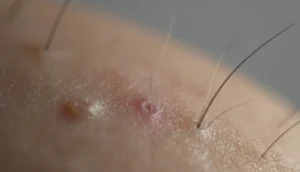
- Scalp inflammation – conditions such as seborrheic dermatitis can damage follicles.
Understanding these triggers helps you decide whether lifestyle adjustments, medical therapy, or surgical restoration is most appropriate. For example, individuals with a strong family history of androgenetic alopecia may benefit early from DHT‑blocking treatments, while those with traction‑related thinning should first modify styling habits.
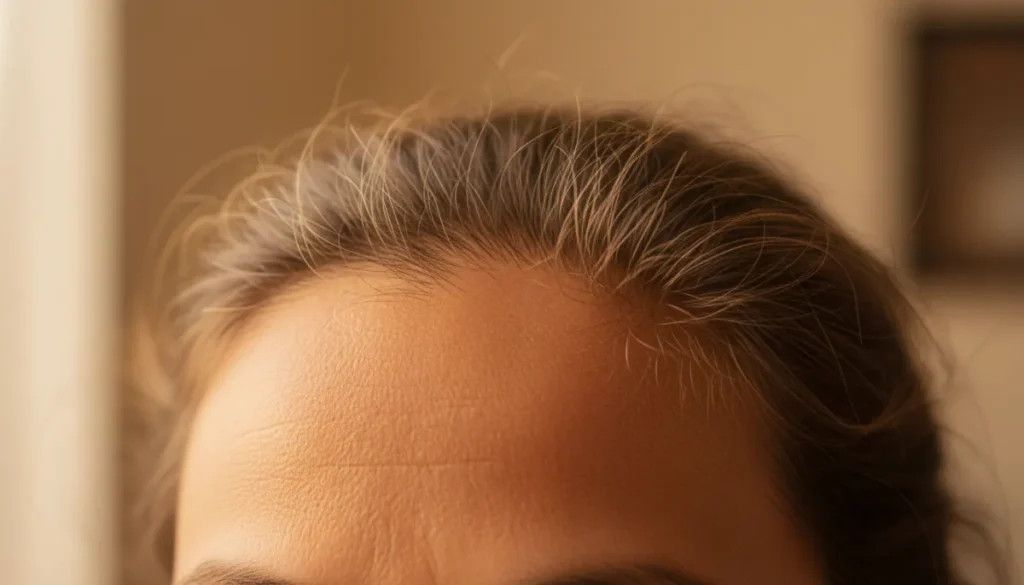
How a Weak Hairline Relates to Different Types of Alopecia
Not all hair loss patterns are the same, and a weak hairline can be an early sign of several alopecia subtypes. Recognizing the distinction influences both diagnosis and treatment planning.
| Alopecia Type | Typical Pattern | Impact on Hairline | Common Treatments |
|---|---|---|---|
| Androgenetik Alopesi | Gradual recession, thinning crown | Progressive weakening of frontal hairline | Finasteride, minoxidil, FUE/DHI transplant |
| Alopesi Areata | Patchy, sudden hair loss | Can produce isolated weak spots on the hairline | Corticosteroid injections, immunotherapy |
| Telogen Effluvium | Diffuse shedding across scalp | Temporary thinning, often includes hairline | Stress management, nutritional support |
| Traction Alopecia | Hair loss at areas of tension | Distinct weakening along the frontal edge | Hairstyle change, scalp care, possible transplant |
While a weak hairline may appear similar across these conditions, the underlying mechanisms differ. For instance, androgenetic alopecia is driven by genetics and hormones, whereas alopecia areata is an autoimmune response. Accurate diagnosis by a qualified dermatologist or trichologist ensures you receive the most effective therapy.
Non‑Surgical Strategies to Strengthen a Weak Hairline
Before opting for a transplant, many patients explore conservative measures that can improve hair density and reduce further loss. Below are evidence‑based options that work well for a weak hairline.
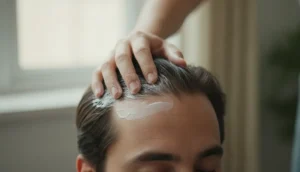
- Topical Minoxidil – 5 % solution applied twice daily stimulates follicular activity.
- Oral DHT blockers (Finasteride or Dutasteride) – reduce hormone‑driven miniaturization.
- Low‑level laser therapy – promotes circulation and cellular metabolism.
- Nutritional supplementation – iron, zinc, biotin, and vitamin D support keratin production.
- Scalp massage and microneedling – encourage blood flow and growth factor release.
- Stress reduction techniques – meditation, regular exercise, and adequate sleep lower cortisol levels that can trigger telogen shedding.
Consistency is key; most non‑surgical treatments require 3‑6 months to show visible improvement. If progress stalls, a surgical consultation can determine whether a transplant would provide the needed boost.
When Surgical Intervention Is the Best Option
For individuals whose weak hairline persists despite medical therapy, a hair transplant offers a permanent solution. Two advanced techniques dominate the market: Follicular Unit Extraction (FUE) and Direct Hair Implantation (DHI). Both methods are performed at Gold City Hair with a focus on natural‑looking density.
| Technique | Procedure Highlights | Ideal Candidates | Recovery Time |
|---|---|---|---|
| FUE | Individual follicle extraction, minimal scarring | Patients with moderate donor density, seeking flexibility | 7‑10 days for visible healing |
| DHI | Implantation without prior channel creation, higher precision | Those desiring maximum graft survival and dense frontal line | 5‑8 days for visible healing |
Both procedures can be tailored to recreate a natural hairline that matches your facial geometry. A skilled surgeon will design a hairline that respects the original hair growth direction, ensuring the result looks seamless.
Post‑Procedure Care for a Healthy Hairline
Successful restoration of a weak hairline depends heavily on after‑care. Following the surgeon’s guidelines maximizes graft survival and accelerates healing.
- Keep the scalp clean – gentle shampooing from day 3 onward.
- Avoid direct sun exposure for at least two weeks; use a loose hat if needed.
- Refrain from heavy exercise or sweating for 10‑14 days.
- Do not touch or pick at grafts – the new follicles are delicate.
- Maintain a balanced diet rich in protein, omega‑3 fatty acids, and antioxidants.
- Schedule follow‑up visits to monitor graft growth and address any concerns.
Most patients notice initial hair shedding within the first month, a normal part of the “shock loss” phase. New growth typically begins at 3‑4 months, with full density developing by 12‑18 months.
Why Choose Gold City Hair for Hairline Restoration
Gold City Hair combines over six years of experience with cutting‑edge FUE and DHI technologies, delivering personalized treatment plans for each client. Our board‑certified surgeons prioritize natural aesthetics, transparent communication, and post‑operative support, ensuring you achieve a confident, lasting hairline.
Ready to transform your weak hairline into a strong, natural look? Contact Gold City Hair today to schedule a confidential consultation and discover the best solution for you.
SSS
What are the main causes of a weak hairline?
Genetics, hormonal imbalances, traction, stress, nutrient deficiencies, and scalp inflammation are the most common causes.
How does a weak hairline indicate different types of alopecia?
It can be an early sign of androgenetic alopecia, alopecia areata, telogen effluvium, or traction alopecia, each with distinct patterns.
What non‑surgical treatments can improve a weak hairline?
Topical minoxidil, oral DHT blockers, low‑level laser therapy, supplements, scalp massage, and stress reduction are effective options.
When is a hair transplant the best solution for a weak hairline?
When medical therapies fail to halt progression and the patient seeks a permanent, natural‑looking restoration.
What post‑procedure care is essential after a hair transplant?
Gentle scalp hygiene, sun protection, limited exercise, proper nutrition, and follow‑up visits are key.