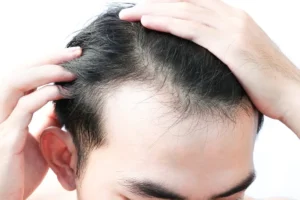
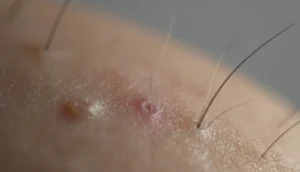
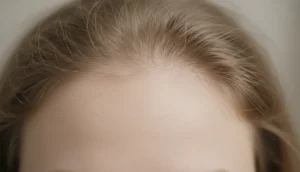
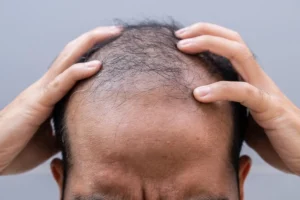
Hair loss is a common concern that affects millions of people worldwide, and the question what causes balding is often the first step toward finding an effective solution. Whether you notice a receding hairline, thinning crowns, or sudden bald spots, understanding the underlying reasons can guide you toward the right treatment. Studies show that up to 50 % of men experience noticeable hair loss by age 35, while many women also face progressive thinning as they age.
In this article we will explore the primary drivers of balding, including genetic predisposition, hormonal changes, lifestyle influences, and medical conditions. By breaking down each factor, you’ll gain a clearer picture of why hair loss occurs and what you can do about it.
We’ll also address common myths that often lead to confusion, and finally, we’ll explain why Gold City Hair is uniquely positioned to help you restore confidence through advanced hair restoration techniques.
Genetic Factors: The Role of Androgenetic Alopecia
Genetics play a pivotal role in the development of balding, especially through a condition known as androgenetic alopecia. This hereditary pattern is responsible for the classic male and female pattern hair loss, influencing how follicles respond to hormones.
Male Pattern Baldness
In men, androgenetic alopecia typically begins with a receding hairline at the temples and thinning at the crown. The process is driven by the sensitivity of hair follicles to dihydrotestosterone (DHT), a derivative of testosterone.
Female Pattern Baldness
Women experience a more diffuse thinning across the scalp, often preserving the frontal hairline. Hormonal fluctuations, especially during menopause, can exacerbate this pattern.
- Family history of early hair loss
- Presence of the AR gene variant
- Increased follicular DHT sensitivity
| Feature | Male Pattern | Female Pattern |
|---|---|---|
| Typical onset | Late teens to early 30s | Late 20s to 40s |
| Hairline change | Receding temples | Preserved frontal hairline |
| Primary hormone | DHT | Estrogen decline & DHT |
Hormonal Influences: DHT and Other Hormones
Beyond genetics, hormones are a major driver of hair loss. The most well‑known hormone linked to balding is dihydrotestosterone (DHT), which shrinks hair follicles and shortens the growth phase.
DHT Production and Sensitivity
Enzymes called 5‑alpha‑reductase convert testosterone into DHT. Individuals with higher enzyme activity or follicles that are more sensitive to DHT experience faster hair thinning.
Other Hormonal Factors
Thyroid imbalances, elevated cortisol from chronic stress, and hormonal shifts during pregnancy or menopause can also trigger hair shedding.
- Elevated DHT levels
- Hypothyroidism or hyperthyroidism
- High cortisol from prolonged stress
- Pregnancy‑related hormonal changes
Addressing hormonal causes often involves medical evaluation and targeted treatments such as finasteride, minoxidil, or lifestyle adjustments to balance hormone levels.
Lifestyle and Environmental Triggers
Everyday habits and environmental exposures can accelerate hair loss, even when genetics are not the primary factor.
Stress and Nutrition
Chronic stress elevates cortisol, which can push hair follicles into the resting phase, leading to telogen effluvium. Poor nutrition lacking essential vitamins—such as iron, zinc, and biotin—deprives follicles of the building blocks they need.
Physical Factors
Excessive heat styling, harsh chemicals, and tight hairstyles (traction alopecia) can cause mechanical damage. Smoking reduces blood flow to the scalp, while pollution introduces free radicals that damage follicular cells.
- High stress levels
- Deficient diet (iron, zinc, vitamin D)
- Smoking and excessive alcohol
- Frequent use of harsh hair products
- Tight braids or ponytails
Adopting a balanced diet, managing stress through exercise or mindfulness, and protecting the scalp from harsh treatments can mitigate these lifestyle‑related causes.
Medical Conditions and Scalp Disorders
Several medical conditions directly cause or contribute to balding. Recognizing these can lead to targeted medical interventions.
Alopesi Areata
A autoimmune disorder where the immune system attacks hair follicles, resulting in sudden, round patches of hair loss. It can progress to alopecia totalis (complete scalp loss) in severe cases.
Thyroid Disorders
Both hypothyroidism and hyperthyroidism disrupt the hair growth cycle, leading to diffuse thinning.
Other Dermatological Issues
Conditions such as seborrheic dermatitis, fungal infections, and scarring alopecia can damage follicles and cause permanent hair loss if untreated.
| Condition | Typical Signs | Recommended Action |
|---|---|---|
| Alopesi Areata | Round bald patches | Corticosteroid therapy, immunomodulators |
| Thyroid Imbalance | Diffuse thinning, dry hair | Blood tests, hormone regulation |
| Scarring Alopecia | Irregular patches with scar tissue | Dermatological evaluation, anti‑inflammatory meds |
Consulting a dermatologist or a hair restoration specialist is essential for accurate diagnosis and personalized treatment plans.
Myths and Misconceptions About Balding
Misunderstandings about hair loss can lead people to ineffective or harmful practices. Let’s debunk some common myths.
Myth: Shampoo Can Prevent Balding
While a good shampoo maintains scalp health, it cannot stop genetic hair loss. Specialized treatments are required for androgenetic alopecia.
Myth: Wearing Hats Causes Hair Loss
Hats do not restrict blood flow to the scalp; however, extremely tight headwear can cause traction alopecia over time.
Myth: Cutting Hair Makes It Grow Faster
Hair growth is determined at the follicle level; trimming only improves the appearance of existing hair.
- Hair loss is not caused by frequent washing.
- Stress alone rarely leads to permanent balding.
- Supplements work only when a deficiency exists.
Understanding the real causes of balding empowers you to choose scientifically backed treatments rather than relying on folklore.
Why Choose Gold City Hair
Gold City Hair has been a trusted hair restoration center in Turkey since 2017, offering personalized FUE, DHI, and eyebrow/beard transplant solutions. Our experienced medical team prioritizes transparent communication and custom treatment plans tailored to each individual’s cause of balding. With state‑of‑the‑art facilities and a commitment to natural‑looking results, we help patients regain confidence and a fuller head of hair.
Ready to address the root causes of your hair loss? Contact Gold City Hair today to schedule a personalized consultation and discover the most effective restoration option for you.
Take the first step toward lasting confidence—your journey to healthier hair starts now.
SSS
What are the main genetic causes of balding?
Genetic balding is primarily driven by androgenetic alopecia, a hereditary pattern that makes hair follicles sensitive to DHT.
How does DHT contribute to hair loss?
DHT binds to receptors in hair follicles, causing them to shrink and shorten the growth cycle, which leads to thinning and eventual loss.
Can stress and diet affect hair thinning?
Yes, chronic stress raises cortisol and can trigger telogen effluvium, while poor nutrition deprives follicles of essential vitamins and minerals.
What medical conditions can lead to balding?
Conditions like alopecia areata, thyroid disorders, and scarring alopecia directly cause hair loss and require medical evaluation.
Are common hair loss myths true?
No, myths like shampoo preventing balding, hats causing hair loss, or cutting hair making it grow faster are not supported by scientific evidence.
What treatment options does Gold City Hair offer for balding?
Gold City Hair provides FUE, DHI, and eyebrow/beard transplants, along with medical therapies tailored to each cause of hair loss.