Understanding what diseases cause hair loss is the first step toward effective treatment and long‑term confidence. Hair loss can be a symptom of many underlying health issues, ranging from common hormonal changes to rare autoimmune disorders. In fact, studies show that up to 40 % of men and women experience noticeable thinning at some point in their lives, often without realizing the medical cause behind it.
This article explores the most frequent and clinically significant diseases that trigger hair shedding, explains how they affect the hair growth cycle, and offers guidance on when to seek professional evaluation. By recognizing the signs early, you can work with specialists—such as those at Gold City Hair—to address the root cause and explore restoration options that suit your individual needs.
We will cover autoimmune conditions, hormonal imbalances, nutritional deficiencies, infections, and medication‑related factors. Each section includes practical information, symptom checklists, and a concise comparison to help you navigate the complex landscape of hair‑related health concerns.
Common Medical Conditions Linked to Hair Loss
Several well‑known medical conditions directly impact the scalp and hair follicles, leading to varying patterns of thinning or baldness. Recognizing these conditions can clarify why hair loss occurs and guide appropriate treatment pathways.
Alopesi Areata
Alopecia areata is an autoimmune disease that causes sudden, patchy hair loss on the scalp, beard, or body. The immune system mistakenly attacks hair follicles, halting the growth phase (anagen) and causing rapid shedding. While the exact trigger remains unclear, stress and genetic predisposition play notable roles.
Androgenetik Alopesi
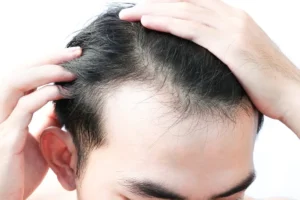
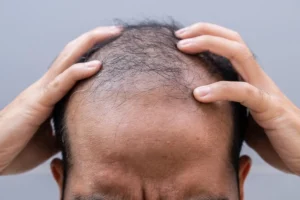
Often referred to as male or female pattern baldness, androgenetic alopecia results from a combination of genetics and the hormone dihydrotestosterone (DHT). DHT shrinks follicles over time, shortening the anagen phase and producing finer hairs. This condition is the leading cause of progressive hair thinning worldwide.
| Condition | Typical Pattern | Primary Cause | Common Treatments |
|---|---|---|---|
| Alopesi Areata | Patchy, round spots | Autoimmune attack on follicles | Topical steroids, immunotherapy |
| Androgenetik Alopesi | Receding hairline, crown thinning | Genetic sensitivity to DHT | Finasteride, minoxidil, hair transplant |
| Telogen Effluvium | Diffuse shedding | Stressful event shifting follicles to telogen | Address underlying trigger, nutritional support |
These three conditions together account for the majority of cases where what diseases cause hair loss is asked. Understanding the pattern and underlying mechanism helps clinicians tailor therapy—whether medical, lifestyle, or surgical.

Autoimmune and Inflammatory Disorders
Beyond alopecia areata, several systemic autoimmune diseases can lead to hair loss as a secondary symptom. These disorders cause chronic inflammation that disrupts the normal hair cycle, often resulting in diffuse thinning or patchy bald spots.
Lupus (Systemic Lupus Erythematosus)
Lupus can produce a characteristic “butterfly” rash on the face and may also cause hair loss due to inflammation of the scalp. The loss is typically diffuse and may improve when disease activity is controlled with immunosuppressive therapy.
Sedef Hastalığı
Scalp psoriasis creates thick, silvery scales that can block hair follicles, leading to temporary shedding. The condition also makes the scalp more prone to irritation and secondary infections, exacerbating hair loss.
Scleroderma
Scleroderma tightens the skin and can affect blood flow to the scalp, resulting in progressive thinning. Hair loss associated with scleroderma is often irreversible without addressing the underlying vascular changes.
- Key signs to watch for: sudden patchy loss, scalp redness, scaling, or systemic symptoms such as joint pain.
- Diagnostic steps: Blood tests for antinuclear antibodies (ANA), skin biopsies, and thorough medical history.
- Management options: Disease‑modifying agents, topical steroids, and, when appropriate, hair restoration procedures.
When what diseases cause hair loss include autoimmune factors, collaboration between dermatologists, rheumatologists, and hair restoration specialists ensures a comprehensive approach.
Hormonal Imbalances and Thyroid Issues
Hormones regulate the hair growth cycle, and any disruption can trigger noticeable shedding. Thyroid disorders, in particular, are among the most common endocrine causes of hair loss.
Hipotiroidizm
When the thyroid gland under‑produces hormones, the metabolic rate slows, leading to dry, brittle hair that falls out easily. Patients often report diffuse thinning across the entire scalp.
Hyperthyroidism
Excess thyroid hormone accelerates metabolism, shortening the anagen phase and causing fine, soft hair that sheds rapidly. The loss is usually diffuse but can be more pronounced on the outer edges of the hairline.
Polycystic Ovary Syndrome (PCOS)
PCOS elevates androgen levels in women, mimicking the effects of DHT and resulting in a pattern similar to male‑type baldness—thinning at the crown and widening part.
| Hormonal Condition | Typical Hair Pattern | Lab Indicators | First‑Line Treatment |
|---|---|---|---|
| Hipotiroidizm | Diffuse thinning, coarse texture | Low T4, high TSH | Levothyroxine replacement |
| Hyperthyroidism | Fine, soft hair, rapid shedding | High T3/T4, low TSH | Antithyroid meds, beta‑blockers |
| PCOS | Vertex thinning, widened part | Elevated LH/FSH ratio, high testosterone | Hormonal contraceptives, anti‑androgens |
Addressing the hormonal root—whether through medication, lifestyle changes, or targeted hair restoration—can dramatically improve outcomes for patients asking what diseases cause hair loss.
Nutritional Deficiencies and Systemic Illnesses
Hair is a reflection of overall nutritional status. Deficiencies in essential micronutrients can disrupt the anagen phase, leading to thinning or shedding that mimics other medical conditions.
Iron Deficiency Anemia
Iron is crucial for hemoglobin production and oxygen delivery to hair follicles. Low ferritin levels correlate with increased telogen shedding, especially in women of reproductive age.
Vitamin D Deficiency
Vitamin D receptors are present in dermal papilla cells; insufficient levels may impair follicle cycling and regeneration.
Protein‑Calorie Malnutrition
Severe under‑nutrition deprives follicles of the amino acids needed for keratin synthesis, resulting in diffuse thinning that can be reversed with proper dietary rehabilitation.
- Common signs: Brittle nails, fatigue, pale skin, and hair that breaks easily.
- Diagnostic approach: Complete blood count, serum ferritin, 25‑OH vitamin D, and albumin levels.
- Remedial steps: Targeted supplementation, balanced diet, and monitoring of hair regrowth over 6–12 months.
When the question what diseases cause hair loss includes nutritional aspects, the solution often lies in a multidisciplinary plan that combines medical correction with aesthetic restoration if needed.
Infections, Medications, and External Factors
Not all hair loss stems from internal disease; external agents and medical treatments can also play a significant role. Understanding these triggers is essential for accurate diagnosis.
Fungal Scalp Infections (Tinea Capitis)
Common in children, this infection causes patchy hair loss with scaling and may lead to permanent scarring if untreated.
Chemotherapy and Radiation
Antineoplastic agents target rapidly dividing cells, including hair matrix cells, resulting in rapid, often complete, shedding. Hair typically regrows after treatment cessation, though texture may change.
Medications with Alopecia Side Effects
Drugs such as beta‑blockers, retinoids, and certain antidepressants can trigger telogen effluvium or exacerbate existing thinning.
- Identify the offending agent through a thorough medication review.
- Consult with the prescribing physician about alternatives or dosage adjustments.
- Consider supportive hair restoration options during the recovery phase.
These external contributors answer many variations of what diseases cause hair loss by highlighting that not all causes are chronic illnesses; some are reversible with proper management.
Why Choose Gold City Hair
Gold City Hair combines cutting‑edge hair restoration techniques with a deep understanding of the medical conditions that cause hair loss. Since 2017, our team has delivered personalized FUE, DHI, and eyebrow/beard transplants, ensuring each patient receives a treatment plan tailored to their unique health profile. Transparent communication, thorough pre‑procedure screening, and post‑procedure support set us apart as a trusted partner for anyone seeking lasting confidence through natural‑looking results.
Ready to take control of your hair health? Contact Gold City Hair today for a confidential consultation and discover the most effective solution for your specific condition.
Regain your confidence—schedule your personalized assessment now.
SSS
What diseases cause hair loss?
Hair loss can be triggered by autoimmune disorders, hormonal imbalances, nutritional deficiencies, infections, and certain medications.
How does alopecia areata lead to hair loss?
Alopecia areata is an autoimmune attack on hair follicles that halts the growth phase, causing sudden patchy hair loss.
Can thyroid disorders cause hair loss?
Both hypothyroidism and hyperthyroidism can cause diffuse hair thinning by altering the hair growth cycle.
Which nutritional deficiencies are linked to hair loss?
Iron, vitamin D, and protein deficiencies are the most common nutrient‑related causes of hair thinning.
Are medications a common cause of hair loss?
Yes, several drugs—including chemotherapy agents, beta‑blockers, retinoids, and some antidepressants—can trigger hair shedding.