When you ask where do they get hair for hair transplants, the answer involves a careful evaluation of the patient’s own donor areas, advanced extraction techniques, and sometimes even body hair sources. Modern hair restoration relies on using your own healthy follicles to achieve natural‑looking results, making the source of donor hair a critical factor in success. According to recent clinical surveys, over 80% of successful procedures use scalp donor hair, while the remaining cases incorporate beard, chest, or even leg follicles when scalp supply is limited.
This article explains the various donor sites, the criteria surgeons use to select them, and the technologies that make extraction safe and efficient. Whether you are considering a full‑head FUE, a DHI eyebrow transplant, or a beard restoration, understanding the origin of the grafts helps you set realistic expectations and choose the right clinic.
We’ll walk through the science behind donor hair selection, debunk common myths, and show how Gold City Hair’s personalized approach ensures you receive the best possible grafts for lasting confidence.
Sources of Donor Hair: Scalp, Body, and Beard
Most hair transplant patients supply their own grafts from the back and sides of the scalp, known as the permanent zone. This area is genetically resistant to balding, providing robust follicles for transplantation. When the permanent zone lacks sufficient density, surgeons may turn to alternative sources:
- Beard Hair: Thick and coarse, ideal for filling in sparse areas of the scalp or creating a natural‑looking beard transplant.
- Chest and Torso Hair: Often finer, suitable for adding volume to larger balding zones.
- Leg Hair: Used in rare cases where other sources are exhausted; typically requires meticulous handling.
Each source has unique characteristics that affect graft survival and aesthetic outcome. For example, beard hair tends to grow faster and appears denser, making it a popular choice for eyebrow and hairline refinements.
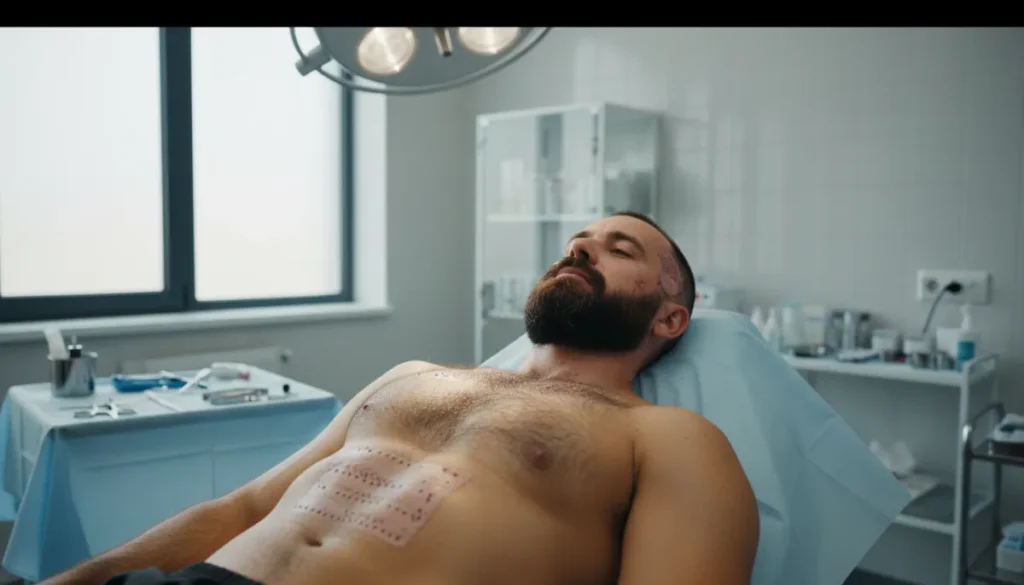
How Surgeons Evaluate Donor Areas
Before answering where do they get hair for hair transplants, a surgeon must assess the quality and quantity of potential donor hair. The evaluation process includes:
| Assessment Factor | Description |
|---|---|
| Density | Number of viable follicles per cm² in the permanent zone. |
| Hair Characteristics | Thickness, curl pattern, and growth rate of existing hair. |
| Scalp Laxity | Skin elasticity affecting extraction technique (FUE vs. DHI). |
| Medical History | Previous surgeries, medications, or conditions that impact healing. |
Advanced imaging tools, such as dermatoscopes and high‑resolution photography, allow surgeons to map out the donor region accurately. This mapping ensures that the extraction plan maximizes graft yield while preserving the natural look of the donor site.
Techniques That Influence Donor Hair Extraction
The method used to harvest grafts directly impacts where surgeons obtain hair for hair transplants. The most common techniques are:
- Foliküler Ünite Ekstraksiyonu (FUE): Individual follicles are removed using a micro‑punch, preserving the surrounding tissue and allowing extraction from both scalp and body sites.
- Direct Hair Implantation (DHI): Similar to FUE but grafts are loaded into a implanter pen, reducing handling time and improving placement precision.
- Strip Surgery (FUT): A linear strip of scalp is excised, providing a large number of grafts from a single donor zone, though it leaves a linear scar.
FUE and DHI are especially valuable when donor hair is scarce, as they enable surgeons to harvest from the beard, chest, or even the sides of the scalp without visible scarring. The choice of technique also depends on scalp laxity; tighter scalps may favor DHI to minimize tension during extraction.
Factors Affecting the Availability of Donor Hair
Even with sophisticated techniques, the supply of donor hair is limited by several biological and lifestyle factors:
- Age: Younger patients may have less mature donor hair, reducing graft quality.
- Genetic Pattern: The extent of androgenetic alopecia determines how much permanent zone remains untouched.
- Hair Care Practices: Excessive styling, chemical treatments, or scalp trauma can damage potential donor follicles.
- Medical Conditions: Autoimmune diseases, thyroid disorders, or severe scarring can diminish usable grafts.
Patients with extensive hair loss often benefit from a combination approach—using scalp grafts for the crown and body hair for the frontal zone. This blended strategy maximizes coverage while maintaining a natural hairline.
Common Myths About Donor Hair Supply
Many prospective patients wonder where do they get hair for hair transplants and encounter misinformation. Below are the most prevalent myths and the facts that dispel them:
| Myth | Fact |
|---|---|
| All hair comes from the back of the head. | While the permanent zone provides the highest quality grafts, beard and body hair are viable alternatives when scalp supply is insufficient. |
| Donor hair is unlimited. | Each individual has a finite number of healthy follicles; over‑harvesting can lead to visible thinning in donor areas. |
| Body hair looks unnatural on the scalp. | When properly selected and placed, body hair blends seamlessly, especially in low‑visibility zones like the crown. |
Understanding these realities helps patients set realistic expectations and collaborate effectively with their surgeon.
Why Choose Gold City Hair for Your Hair Restoration
Gold City Hair has been delivering personalized hair restoration solutions in Turkey since 2017. Our clinic specializes in FUE, DHI, and eyebrow/beard transplants, employing state‑of‑the‑art equipment and a transparent communication process. Every patient receives a customized donor‑area assessment, ensuring optimal graft selection and natural‑looking results. With a focus on safety, comfort, and lasting confidence, Gold City Hair is a trusted partner for those seeking reliable hair transplant outcomes.
Ready to discover the best source of donor hair for your unique needs? Contact Gold City Hair today to schedule a free, no‑obligation consultation and take the first step toward a fuller, more confident you.
SSS
What are the main sources of donor hair for hair transplants?
The primary source is the permanent zone on the back and sides of the scalp, with secondary sources including beard, chest, torso, and occasionally leg hair.
How do surgeons evaluate the quality of donor hair?
They assess density, hair characteristics, scalp laxity, and medical history using tools like dermatoscopes and high‑resolution photography.
What techniques are used to extract donor hair?
The most common methods are Follicular Unit Extraction (FUE), Direct Hair Implantation (DHI), and Strip Surgery (FUT).
Can body hair be used for scalp hair transplants?
Yes, body hair such as beard, chest, and even leg hair can be transplanted when scalp donor supply is limited.
What factors affect the availability of donor hair?
Age, genetic pattern of baldness, hair care practices, and medical conditions all influence donor hair supply.
Are there common myths about donor hair supply?
Yes, myths include that all donor hair comes from the back of the head, that donor hair is unlimited, and that body hair looks unnatural on the scalp.
Why choose Gold City Hair for a hair transplant?
Gold City Hair offers personalized assessments, advanced FUE/DHI techniques, and a track record of natural‑looking results since 2017.





