Many women wonder why itchy scalp thinning hair female issues appear together, and the answer often lies in the health of the scalp itself. An uncomfortable, itchy scalp can be more than a nuisance—it may signal underlying conditions that accelerate hair thinning or even lead to noticeable hair loss. Understanding the link between scalp irritation and hair density is essential for anyone seeking a lasting solution.
According to dermatological studies, up to 40% of women experiencing chronic scalp itch also notice a gradual reduction in hair volume. This connection is especially common in cases of seborrheic dermatitis, folliculitis, and hormonal imbalances that affect the hair growth cycle.
In this article we will explore the most frequent causes of an itchy scalp combined with thinning hair, outline practical home and clinical treatments, and explain how advanced hair restoration techniques can help you regain a fuller, healthier look.
Common Scalp Conditions That Cause Itch and Hair Thinning
Several dermatological issues can trigger both itchiness and hair loss in women. Recognizing the symptoms early can prevent further thinning and improve treatment outcomes.
1. Seborrheic Dermatitis
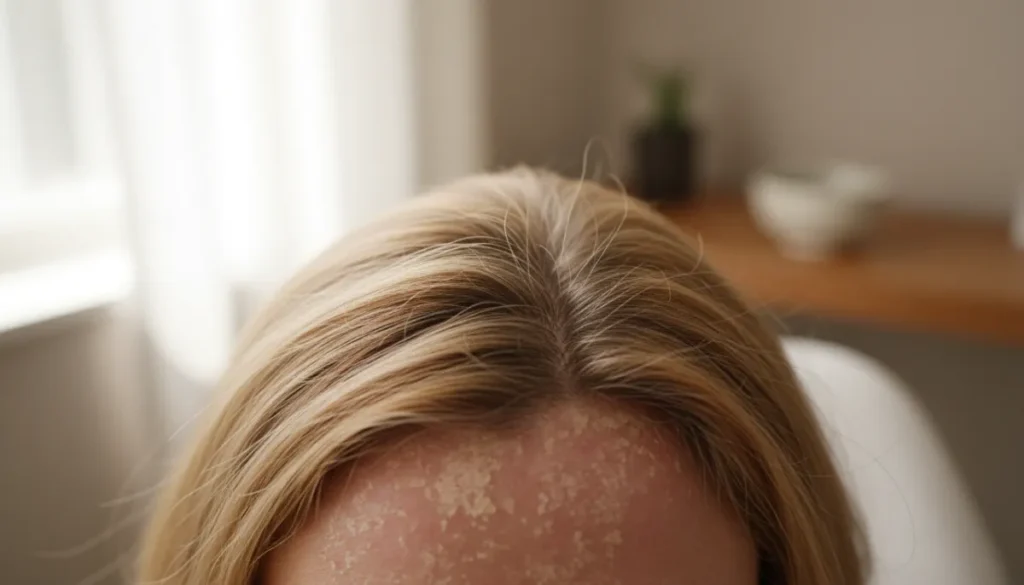
This chronic condition produces oily, flaky patches that often feel itchy. The inflammation can weaken hair follicles, leading to hair thinning alopecia. Women with oily skin types are particularly prone.
2. Folliculitis
Folliculitis is an infection of the hair follicle that appears as red, pimple‑like bumps. When the follicles become inflamed, they may enter a resting phase, resulting in temporary hair loss.
3. Dry, Itchy Scalp
Even without visible dandruff, a dry scalp can cause persistent itching. Lack of moisture disrupts the scalp barrier, making hair shafts more fragile and prone to breakage.
- Red patches on scalp
- Bumps that hurt
- Flaky or greasy scales
| Condition | Primary Symptom | Impact on Hair |
|---|---|---|
| Seborrheic Dermatitis | Itchy, oily flakes | Follicle inflammation → thinning |
| Folliculitis | Red bumps, tenderness | Follicle damage → temporary loss |
| Dry Scalp | Itch, tightness | Weak hair shaft → breakage |
Identifying which condition you have is the first step toward effective treatment. A dermatologist can perform a simple scalp examination and, if needed, a skin swab to confirm infection.
Effective Home Remedies and Scalp Care Routine
While professional treatment is often necessary, a consistent home care routine can soothe irritation and support hair density. Below are evidence‑based steps that many women find helpful.
Gentle Cleansing
Choose a shampoo formulated for itchy scalp and designed to balance oil production. Look for ingredients such as pyrithione zinc, ketoconazole, or tea tree oil, which target fungal overgrowth without stripping natural oils.
Moisturizing Treatments
After washing, apply a lightweight scalp serum containing hyaluronic acid, aloe vera, or panthenol. These ingredients restore moisture and reduce the sensation of itch.
Scalp Massage
Massaging the scalp for 5‑10 minutes daily stimulates blood flow, encouraging follicles to stay in the growth phase. Use gentle circular motions with fingertips or a soft silicone brush.
- Wash with lukewarm water, not hot.
- Limit styling products that contain alcohol.
- Avoid tight hairstyles that pull on the hair.
In addition to these steps, dietary factors such as adequate protein, iron, and omega‑3 fatty acids play a supportive role in scalp health.
Medical Treatments and When to Seek Professional Help
If home remedies do not alleviate symptoms within a few weeks, medical intervention may be required. Dermatologists can prescribe targeted therapies that address both itch and hair thinning.
Topical Steroids and Anti‑Inflammatories
Low‑strength corticosteroid creams reduce inflammation caused by folliculitis or seborrheic dermatitis. They should be used under supervision to avoid thinning of the skin.
Antifungal and Antibacterial Medications
Prescription shampoos containing ketoconazole or ciclopirox combat fungal overgrowth, while oral antibiotics may be necessary for bacterial folliculitis.
Platelet‑Rich Plasma (PRP) Therapy
PRP injections deliver growth factors directly to the scalp, promoting follicle revitalization. This procedure is especially beneficial for women experiencing female pattern baldness combined with an itchy scalp.
When any of the following signs appear, schedule a consultation promptly:
- Rapid increase in hair shedding
- Painful, inflamed bumps that do not heal
- Persistent redness or scaling despite over‑the‑counter treatment
Hair Restoration Options for Women with Scalp Issues
When scalp conditions have caused permanent follicle damage, hair transplantation offers a reliable solution. Gold City Hair specializes in advanced techniques that work even on previously irritated scalps.
Follicular Unit Extraction (FUE)
FUE removes individual hair follicles from a donor area and implants them into thinning zones. The minimally invasive nature reduces trauma, making it suitable for patients with sensitive scalps.
Direct Hair Implantation (DHI)
DHI utilizes a patented implanter pen that places follicles at precise depths, ensuring optimal graft survival and natural hair direction—critical for women seeking subtle, feminine results.
Post‑Transplant Scalp Care
After a transplant, a gentle, medicated scalp regimen helps soothe any residual itch and supports graft integration. Gold City Hair provides a customized after‑care protocol that includes anti‑inflammatory shampoos and soothing serums.
| Technique | Ideal For | Scalp Sensitivity Consideration |
|---|---|---|
| FUE | Moderate thinning, diffuse loss | Low trauma, good for itchy scalp |
| DHI | Precise placement, fine hair | Controlled depth reduces irritation |
| Robotic FUE | Large‑area coverage | Consistent speed minimizes discomfort |
Choosing the right method depends on the extent of hair loss, scalp condition, and personal aesthetic goals. A thorough consultation with a certified surgeon will determine the best plan.
Why Choose Gold City Hair
Gold City Hair has been delivering personalized hair restoration solutions since 2017. Our clinic in Turkey combines state‑of‑the‑art FUE and DHI technologies with a compassionate approach, ensuring each patient receives transparent communication and a treatment plan tailored to their unique scalp health. With a dedicated team of experienced surgeons and dermatologists, we prioritize both the aesthetic outcome and the comfort of your scalp throughout the journey.
Ready to stop the itch and regain confidence? Contact Gold City Hair today to schedule a free, no‑obligation consultation and discover the best solution for your scalp and hair needs.
FAQ
What causes an itchy scalp to lead to hair thinning in women?
Inflammation, fungal overgrowth, and skin conditions like seborrheic dermatitis can irritate the scalp and weaken hair follicles, resulting in thinning.
How can I differentiate between seborrheic dermatitis and a dry scalp?
Seborrheic dermatitis produces oily, flaky patches with redness, while a dry scalp is characterized by tightness and white flakes without excess oil.
What home remedies are most effective for soothing an itchy scalp and preventing hair loss?
Gentle cleansing with anti‑fungal shampoo, moisturizing serums, regular scalp massage, and a balanced diet are key home remedies.
When should I seek professional medical treatment for an itchy scalp?
If itch persists for weeks, you notice rapid shedding, painful bumps, or redness that doesn’t improve with over‑the‑counter products, see a dermatologist.
What hair restoration options are safe for women with sensitive or previously irritated scalps?
FUE and DHI hair transplantation are minimally invasive techniques that minimize trauma and are suitable for sensitive scalps.
How does PRP therapy help with an itchy scalp and thinning hair?
PRP delivers concentrated growth factors that reduce inflammation and stimulate dormant hair follicles, promoting thicker hair growth.
What is the difference between FUE and DHI hair transplant techniques?
FUE extracts grafts and implants them manually, while DHI uses a pen‑like implanter for direct placement, offering more precise depth control.