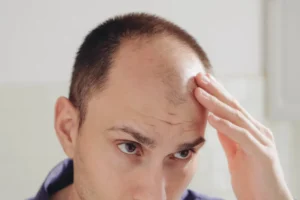
Hair loss and receding hairline are common concerns that affect millions of men and women worldwide, often impacting confidence and self‑image. This article explains the underlying causes, early warning signs, and the full spectrum of treatment options—from topical medications to state‑of‑the‑art hair transplant techniques offered in Turkey. By the end of the read, you’ll know how to assess your own situation, what realistic expectations to set, and how to choose a qualified clinic for lasting results.
According to recent dermatology surveys, nearly 30 % of men experience noticeable thinning by the age of 35, while women often notice diffuse hair loss in their late 30s. Early intervention can dramatically improve outcomes, especially when the recession is caught before the hair follicles become dormant. In the following sections we’ll explore genetic, hormonal, and lifestyle factors, as well as practical steps you can take today.
Whether you’re dealing with a subtle shift in your hairline or a more pronounced bald spot, understanding the science behind hair loss and receding hairline empowers you to make informed decisions about treatment pathways and long‑term hair health.
What Causes Hair Loss and a Receding Hairline
Multiple mechanisms can trigger hair loss and a receding hairline, often interacting in complex ways. While genetics set the stage, hormonal fluctuations, medical conditions, and environmental stresses can accelerate the process.
Genetic Factors
The most prevalent form, androgenetic alopecia, is inherited and linked to the sensitivity of hair follicles to dihydrotestosterone (DHT). This hormone shortens the growth phase of each hair strand, leading to thinner, shorter hairs that eventually stop growing.
Hormonal Changes
Both men and women experience hormonal shifts that influence hair cycles. In men, elevated testosterone and DHT levels are primary drivers. In women, menopause, polycystic ovary syndrome (PCOS), and thyroid disorders can cause diffuse thinning and a recession at the temples.
Lifestyle and Environmental Triggers
- Stress and chronic anxiety – can push hairs into the telogen (resting) phase.
- Nutrient deficiencies – especially iron, zinc, and vitamin D.
- Harsh styling practices – tight braids, frequent heat, and chemical treatments.
- Medications – certain blood thinners, antidepressants, and chemotherapy agents.
Below is a concise comparison of how male and female pattern baldness typically present.
| Feature | Male Pattern Baldness | Female Pattern Baldness |
|---|---|---|
| Typical Onset | Late teens to early 30s | Late 20s to 40s |
| Primary Area Affected | Receding hairline & crown | Diffuse thinning, especially on the top |
| Progression Speed | Variable, often rapid | Generally slower |
Recognizing the Early Signs and Stages
Detecting hair loss early gives you a strategic advantage when selecting treatment. The progression typically follows recognizable stages that can be self‑assessed or evaluated by a specialist.
Hair Thinning vs. Bald Spots
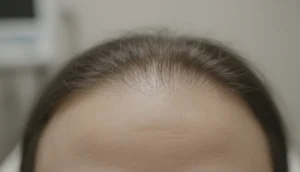
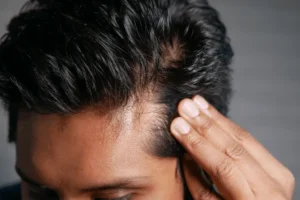
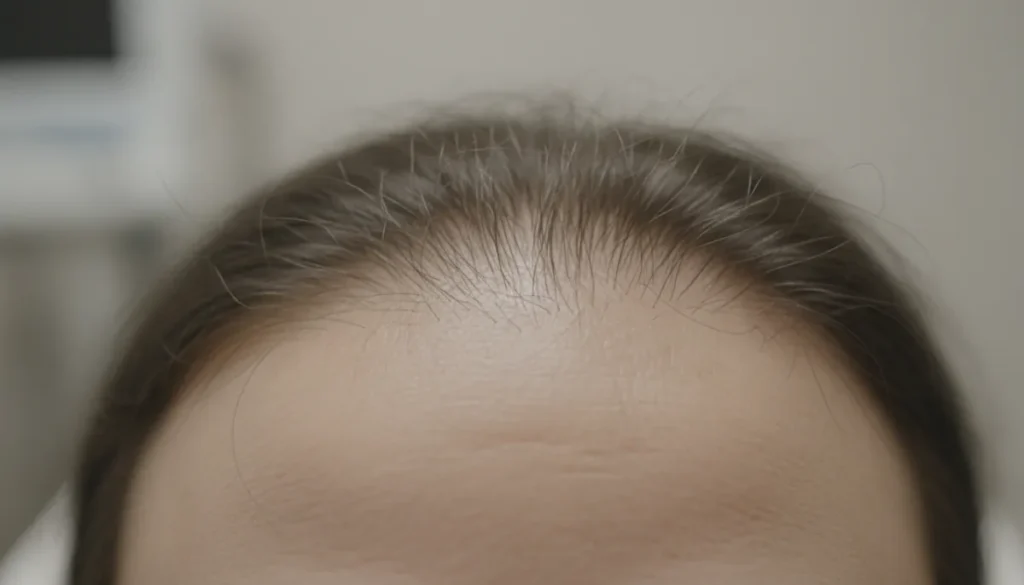
Thinning appears as a reduction in hair density across the scalp, often first noticeable at the temples or crown. Bald spots, or alopecia patches, are localized areas where follicles have stopped producing hair entirely.
Measuring Your Hairline
Use a simple mirror test: stand with your head tilted back and observe the distance between the forehead and the point where hair begins. A shift of more than 0.5 cm over six months may indicate a receding hairline.
Clinicians often employ the Norwood Scale (for men) and the Ludwig Scale (for women) to stage hair loss. Below is a quick reference for the Norwood categories.
| Norwood Stage | Characteristics |
|---|---|
| Stage I | Minimal recession at the temples. |
| Stage II | Noticeable triangular recession. |
| Stage III | Deepening of the temple recession; possible slight crown thinning. |
| Stage IV | Further recession with a distinct bald spot on the crown. |
| Stage V‑VII | Extensive hair loss across the top, leaving only a band of hair on the sides. |
Treatment Options: From Medical Therapies to Transplant Techniques
When confronting hair loss and a receding hairline, a tiered approach often yields the best results. Options range from non‑invasive medications to surgical restoration.
Topical and Oral Medications
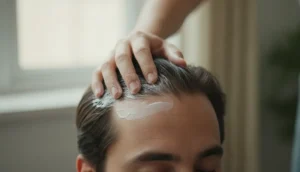
- Minoxidil (5 % solution) – stimulates follicular activity and is FDA‑approved for both men and women.
- Finasteride – oral DHT blocker, primarily for male pattern baldness.
- Spironolactone – anti‑androgen used off‑label for women with hormonal alopecia.
Low‑Level Laser Therapy (LLLT)
LLLT devices emit red light that enhances cellular metabolism in hair follicles, promoting thicker growth. Sessions are typically 15‑30 minutes, two to three times per week.
Surgical Hair Restoration
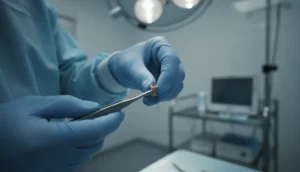
For permanent, natural‑looking results, hair transplantation remains the gold standard. The most popular techniques include:
| Technique | Key Features | Ideal Candidates |
|---|---|---|
| FUE (Follicular Unit Extraction) | Individual follicles harvested with a micro‑punch, leaving minimal scarring. | Patients seeking quick recovery and no linear scar. |
| DHI (Direct Hair Implantation) | Follicles implanted directly using a proprietary implanter pen. | Those desiring higher graft density and precision. |
| FUT (Strip Harvesting) | Linear strip removed from the donor area; grafts dissected under a microscope. | High‑volume graft needs, tolerant of a linear scar. |
Turkey has become a global hub for these procedures due to experienced surgeons, state‑of‑the‑art clinics, and cost‑effective packages. The success rate for FUE and DHI performed by certified specialists exceeds 90 % when proper after‑care is followed.
Preparing for a Successful Hair Transplant Journey
Achieving optimal results begins long before the first incision. Proper preparation ensures graft survival and minimizes complications.
Choosing a Clinic
- Verify board certification and years of experience.
- Request before‑and‑after photos of patients with similar hair loss patterns.
- Confirm transparent pricing, inclusive of medications and post‑operative follow‑up.
Pre‑Operative Assessment
A thorough evaluation includes scalp analysis, blood tests to rule out anemia or hormonal imbalances, and a discussion of realistic expectations. The surgeon will map the donor area (usually the back of the head) and design the graft distribution to match your natural hairline.
Post‑Operative Care
Following surgery, patients should:
- Keep the scalp clean using prescribed shampoos.
- Avoid direct sunlight and strenuous activity for at least two weeks.
- Take prescribed antibiotics or anti‑inflammatories as directed.
- Attend scheduled follow‑up appointments to monitor graft take‑rate.
Adhering to these protocols can boost graft survival rates to above 95 % and reduce the likelihood of infection or scarring.
Maintaining Results and Long‑Term Hair Health
Even after a successful transplant, ongoing maintenance is crucial to preserve both native and transplanted hair.
Lifestyle Adjustments
- Maintain a balanced diet rich in protein, omega‑3 fatty acids, and micronutrients.
- Manage stress through regular exercise, meditation, or counseling.
- Avoid tight hairstyles that cause traction alopecia.
- Limit exposure to harsh chemicals and excessive heat styling.
Follow‑Up Treatments
Many patients benefit from periodic low‑dose Minoxidil or platelet‑rich plasma (PRP) sessions to stimulate ongoing follicle health. Annual check‑ups with a trichologist can catch any early signs of new thinning before they become problematic.
By integrating these habits, you can enjoy a fuller, healthier hairline for years to come, reinforcing the confidence gained from your restoration journey.
Why Choose Gold City Hair
Gold City Hair combines a decade of expertise with cutting‑edge FUE and DHI techniques, delivering personalized treatment plans that prioritize safety and natural results. Our Istanbul‑based clinic offers transparent communication, comprehensive pre‑operative assessments, and a dedicated after‑care team that monitors your progress for months after surgery. With a focus on patient confidence and long‑term hair health, we ensure every step—from initial consultation to final follow‑up—is handled with professionalism and compassion.
Ready to take the first step toward a fuller hairline? Contact Gold City Hair today to schedule a free, no‑obligation consultation and discover a tailored solution for your hair loss and receding hairline.
Experience the confidence of restored hair—your journey starts now.
FAQ
What are the main causes of hair loss and a receding hairline?
Genetics, hormonal changes, lifestyle factors, medical conditions, and certain medications can all trigger hair loss and a receding hairline.
How can I measure if my hairline is receding?
Use a mirror and ruler to measure the distance from your forehead to the hairline; a shift of more than 0.5 cm over six months may indicate recession.
What are the differences between the Norwood and Ludwig scales?
The Norwood Scale stages male pattern baldness, while the Ludwig Scale assesses female pattern thinning.
Which hair transplant techniques are most effective for a receding hairline?
FUE and DHI are preferred for a receding hairline because they allow precise placement and minimal scarring.
What should I expect during the pre‑operative assessment for a hair transplant in Turkey?
You will undergo scalp analysis, blood tests, and a detailed discussion of your goals and realistic outcomes.
How can I maintain my hair transplant results long term?
Adopt a balanced diet, manage stress, avoid harsh styling, and consider ongoing low‑dose minoxidil or PRP sessions.