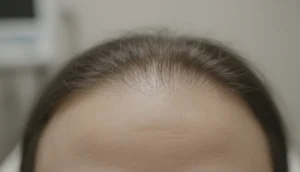
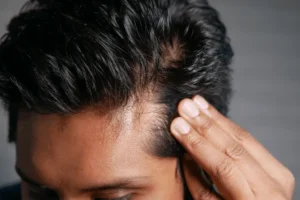
Many women notice a woman losing hair at temples as the first sign of a changing hair pattern, and it can feel both confusing and distressing. Temple hair thinning is often an early indicator of underlying hormonal shifts, stress, or genetic predisposition. Understanding the root causes and available solutions empowers you to take proactive steps toward restoring confidence and a fuller appearance.
Statistics from dermatology clinics show that up to 40% of women experience noticeable hair loss at the temples by the age of 35. This trend is not limited to any single age group; it can affect anyone from young adults to post‑menopausal women. The good news is that modern diagnostics and treatment options—ranging from topical therapies to advanced hair transplant techniques—offer realistic outcomes.
In this article we will explore the anatomy of temple hair loss, identify the most common triggers, outline how professionals diagnose the condition, and present both non‑surgical and surgical treatment pathways. By the end, you’ll have a clear roadmap for addressing temple thinning and reclaiming a healthier hairline.
Understanding Temple Hair Thinning in Women
The temples are a vulnerable zone for many females because the hair follicles in this area are naturally finer and more susceptible to hormonal influences. When a woman losing hair at temples notices a widening part or a subtle “M” shaped recession, it often signals the onset of female pattern baldness, medically known as androgenetic alopecia.
What Is Female Pattern Baldness?
Female pattern baldness differs from male pattern baldness in its distribution. While men typically experience a receding hairline and vertex thinning, women more commonly see diffuse thinning that starts at the temples and spreads across the crown. The condition is driven by a combination of genetics and the hormone dihydrotestosterone (DHT), which shortens the growth phase of hair follicles.
- Gradual widening of the part
- Visible thinning at the temples
- Preserved frontal hairline in early stages
Early detection is crucial because interventions are most effective before the follicles become dormant.
| Feature | Typical in Women | Typical in Men |
|---|---|---|
| Pattern of Loss | Temple widening, diffuse crown thinning | Receding hairline, vertex balding |
| Onset Age | 20‑40 years | Late teens‑early 30s |
| Hormonal Influence | High | Moderate |
Common Causes of Hair Loss at Temples
Beyond genetic predisposition, several lifestyle and medical factors can accelerate a woman losing hair at temples. Recognizing these triggers helps you target the right treatment.
Hormonal Changes
Fluctuations in estrogen and progesterone during pregnancy, menopause, or thyroid disorders can disrupt the hair growth cycle, leading to telogen effluvium—a temporary shedding phase. Women often report a sudden increase in hair fall after childbirth or during perimenopause.
Stress and Telogen Effluvium
Physical or emotional stress pushes a larger proportion of hair follicles into the resting (telogen) phase. Within two to three months, the shedding becomes noticeable, especially at the temples where follicles are already fine.
Other Contributing Factors
- Nutrient deficiencies (iron, zinc, biotin)
- Harsh hair styling practices (tight ponytails, heat tools)
- Medical conditions such as polycystic ovary syndrome (PCOS)
- Medications like anticoagulants or retinoids
When these factors combine, they can create a perfect storm for temple thinning, making it essential to address both internal health and external habits.
Diagnosis and When to Seek Professional Help
If you notice persistent temple thinning, consulting a specialist is advisable. Accurate diagnosis differentiates between reversible conditions like telogen effluvium and permanent follicular miniaturization caused by androgenetic alopecia.
Clinical Examination
Dermatologists perform a scalp inspection using a handheld dermatoscope to assess follicle density, miniaturization, and scalp health. They also evaluate medical history, medication use, and lifestyle factors.
Laboratory Tests
Blood panels can uncover hormonal imbalances, iron deficiency, or thyroid dysfunction—common culprits behind a woman losing hair at temples. Typical tests include:
- Complete blood count (CBC)
- Thyroid-stimulating hormone (TSH)
- Serum ferritin
- Hormone panel (estrogen, progesterone, DHT)
| Test | What It Reveals | Relevance to Temple Thinning |
|---|---|---|
| TSH | Thyroid function | Hypothyroidism can cause diffuse shedding |
| Ferritin | Iron stores | Low iron accelerates telogen phase |
| DHT Levels | Androgen activity | Elevated DHT linked to follicle miniaturization |
When non‑surgical measures prove insufficient, a hair restoration specialist can discuss surgical options tailored to temple restoration.
Treatment Options: From Non‑Surgical to Surgical
Addressing a woman losing hair at temples begins with the least invasive strategies. If those fail, advanced surgical techniques can deliver permanent, natural‑looking results.
Topical and Oral Therapies
- Minoxidil 5% – FDA‑approved for women, stimulates follicle activity.
- Finasteride (off‑label) – Reduces DHT, used under physician supervision.
- Low‑level laser therapy (LLLT) – Improves scalp circulation.
- Nutritional supplements – Biotin, iron, zinc, and omega‑3 fatty acids.
Platelet‑Rich Plasma (PRP)
PRP injections deliver concentrated growth factors directly to the scalp, encouraging dormant follicles to re‑enter the growth phase. Multiple sessions are typically required for optimal results.
Surgical Hair Restoration
When permanent restoration is desired, Gold City Hair offers two leading methods:
- Follicular Unit Extraction (FUE) – Individual follicles are harvested and implanted into the temple area, leaving minimal scarring.
- Direct Hair Implantation (DHI) – Uses a patented implanter pen for precise placement, reducing graft trauma and improving survival rates.
Both techniques can recreate a natural hairline, with results visible after 6‑12 months. The choice between FUE and DHI depends on scalp laxity, donor hair density, and personal aesthetic goals.
Lifestyle Tips to Support Hair Health
While medical interventions address the root causes, everyday habits can reinforce hair resilience and slow further thinning at the temples.
- Balanced Nutrition – Prioritize protein, iron‑rich foods (spinach, lentils), and antioxidants.
- Gentle Hair Care – Use sulfate‑free shampoos, avoid tight hairstyles, and limit heat styling.
- Stress Management – Incorporate yoga, meditation, or regular exercise to lower cortisol levels.
- Scalp Massage – Stimulates blood flow; use fingertips or a soft brush for 5 minutes daily.
- Regular Check‑ups – Keep track of hormonal changes and discuss any new symptoms with your dermatologist.
Combining these practices with appropriate clinical treatment creates a comprehensive plan that maximizes hair regrowth and preserves the newly restored temple area.
Why Choose Gold City Hair
Gold City Hair has been delivering personalized hair restoration solutions in Turkey since 2017. Our clinic specializes in FUE and DHI techniques, ensuring minimal downtime and natural‑looking results. With a focus on transparent communication, we guide each patient through a customized treatment plan that addresses the unique cause of their temple thinning. Trust a team that combines clinical expertise with a commitment to restoring confidence.
Ready to regain a fuller, natural hairline? Contact Gold City Hair today for a free, no‑obligation consultation and discover the best solution for your temple thinning.
Take the first step toward confidence—schedule your appointment now.
FAQ
What causes hair thinning at the temples in women?
Temple thinning in women is usually triggered by hormonal shifts, stress‑induced telogen effluvium, genetic predisposition, nutrient deficiencies, and certain medications.
How can I tell if temple hair loss is due to female pattern baldness?
Female pattern baldness typically shows a gradual widening of the part and diffuse thinning that starts at the temples while the frontal hairline remains intact.
What diagnostic tests are used to identify temple hair thinning?
Doctors use scalp examination, dermatoscopy, and blood panels that check thyroid function, iron stores, and hormone levels.
Which non‑surgical treatments are effective for temple hair loss?
Topical minoxidil, oral finasteride (off‑label), low‑level laser therapy, PRP injections, and nutritional supplements are common non‑surgical options.
How do FUE and DHI hair transplant techniques differ for temple restoration?
FUE extracts individual follicles and implants them with tiny incisions, while DHI uses a patented implanter pen for direct placement, reducing graft handling.
Can lifestyle changes help prevent further temple hair loss?
Yes, balanced nutrition, gentle hair care, stress management, scalp massage, and regular medical check‑ups can support hair health.