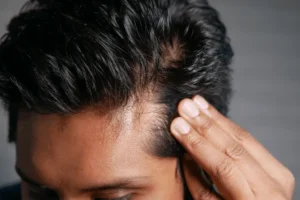
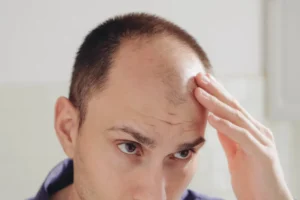
Finding a reliable receding hairline treatment can feel overwhelming, especially when you notice the front of your scalp thinning faster than the rest. This article explores the most common causes of a receding hairline, reviews both non‑surgical and surgical options, and guides you through choosing a personalized plan that restores confidence and natural appearance. According to recent studies, up to 30% of men begin to see signs of recession before age 35, while many women also experience early hairline thinning.
We’ll break down each approach, compare effectiveness, and highlight what to expect during recovery. Whether you’re looking for topical solutions, prescription medications, or the latest hair transplant techniques, understanding the full spectrum of possibilities helps you make an informed decision.
Read on to learn how to identify the root cause of your hair loss, evaluate treatment alternatives, and maintain healthy results for years to come.
Understanding the Causes of a Receding Hairline
A receding hairline is rarely the result of a single factor. Multiple elements—genetics, hormonal changes, lifestyle, and medical conditions—can contribute to hair thinning at the frontal scalp. Recognizing the underlying cause is the first step toward an effective receding hairline treatment plan.
Genetic Predisposition
Androgenetic alopecia, often called male‑ or female‑pattern baldness, is the most common genetic driver. The hormone dihydrotestosterone (DHT) shortens the growth phase of hair follicles, leading to gradual recession.
Hormonal Influences
Fluctuations in estrogen, progesterone, and thyroid hormones affect hair density. Women experiencing menopause or thyroid disorders may notice a shifting hairline alongside overall thinning.
Environmental and Lifestyle Factors
- Chronic stress and poor sleep patterns
- Nutrient deficiencies (iron, zinc, biotin)
- Excessive heat styling or harsh chemical treatments
- Smoking and high‑sugar diets
Understanding these contributors helps you target the right therapy, whether it’s a lifestyle adjustment, a prescription, or a surgical procedure.

Non‑Surgical Options for Receding Hairline Treatment
Many patients prefer to start with less invasive methods before considering surgery. Modern non‑surgical solutions combine medication, topical applications, and regenerative therapies to stimulate growth and slow further loss.
Prescription Medications
Finasteride, a 5‑alpha‑reductase inhibitor, reduces DHT production and is proven to halt progression in many men. Women may be prescribed low‑dose oral minoxidil or anti‑androgen therapies, depending on hormonal profiles.
Topical Treatments
Over‑the‑counter products such as minoxidil (Rogaine) are widely used for both men and women. These solutions improve blood flow to follicles and extend the growth phase, offering visible thickening after several months of consistent use.
Platelet‑Rich Plasma (PRP) Therapy
PRP involves drawing a small amount of your blood, concentrating the platelets, and injecting them into the scalp. Growth factors in the plasma can revitalize dormant follicles and improve hair density.
Hair Growth Supplements
Vitamins and minerals—particularly biotin, vitamin D, zinc, and iron—support overall hair health. Formulas that combine these nutrients with botanical extracts like saw‑palmetto may enhance results when paired with other treatments.
| Treatment | Typical Use | Onset of Results | Key Benefits |
|---|---|---|---|
| Finasteride (oral) | Daily pill | 3‑6 months | Reduces DHT, slows progression |
| Minoxidil (topical) | Twice‑daily spray/foam | 2‑4 months | Stimulates follicle activity |
| PRP Injections | 3‑monthly sessions | 4‑6 months | Regenerates dormant follicles |
| Hair Growth Supplements | Daily capsules | 6‑12 months | Supports overall hair health |
While non‑surgical options can be highly effective, they often require ongoing maintenance. Many patients combine two or more approaches for synergistic benefits.
Surgical Hair Restoration Techniques
When non‑surgical methods no longer meet your goals, surgical hair restoration offers a permanent solution. Modern clinics, including Gold City Hair, specialize in minimally invasive procedures that deliver natural‑looking density.
Follicular Unit Extraction (FUE)
FUE removes individual follicular units from the donor area—typically the back of the scalp—and implants them into the recession zone. This technique leaves tiny dot‑like scars that are virtually invisible.
Direct Hair Implantation (DHI)
DHI uses a specialized implanter pen to place grafts at precise angles and depths, reducing handling time and improving graft survival. The result is often higher density in the frontal area.
Eyebrow and Beard Transplants
For patients seeking comprehensive facial aesthetics, the same principles can be applied to eyebrows or beards, creating fuller, more defined lines.
| Technique | Procedure Time | Recovery | Ideal Candidates |
|---|---|---|---|
| FUE | 6‑10 hours | 7‑10 days | Moderate to advanced recession |
| DHI | 8‑12 hours | 5‑9 days | Patients desiring higher precision |
| Eyebrow/Beard | 4‑6 hours | 5‑7 days | Facial hair thinning or aesthetic enhancement |
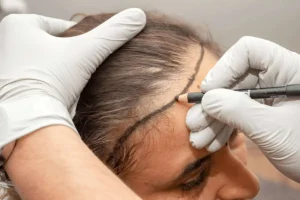
Choosing the right surgical method depends on your hairline pattern, donor hair quality, and personal expectations. A thorough consultation ensures the plan aligns with your aesthetic goals.
Choosing the Right Treatment Plan for You
Every individual’s hair loss journey is unique, so a one‑size‑fits‑all approach rarely works. Below are key factors to consider when selecting a receding hairline treatment strategy.
- Severity of Recession – Early‑stage thinning may respond well to topical and oral medications, while advanced recession often requires grafting.
- Age and Hormonal Profile – Younger patients with active hormonal influences may benefit from finasteride or minoxidil, whereas older individuals might prioritize surgical restoration.
- Budget and Commitment – Non‑surgical options involve ongoing costs; surgical procedures are higher upfront but offer lasting results.
- Medical History – Certain medications (e.g., blood thinners) can affect surgical candidacy.
- Desired Timeline – PRP and supplements need several months for noticeable change, while a successful hair transplant can show growth within 3‑4 months post‑procedure.
Start with a comprehensive scalp analysis performed by a qualified hair specialist. During the consultation, discuss your expectations, review before‑and‑after case studies, and ask about the surgeon’s experience with FUE and DHI techniques.
By aligning your personal goals with the most appropriate technology, you increase the likelihood of a natural‑looking, long‑lasting outcome.
Aftercare and Long‑Term Maintenance
Successful treatment doesn’t end when the procedure does. Proper aftercare maximizes graft survival and sustains the health of existing hair.
Post‑Surgical Care
- Avoid direct sun exposure for at least two weeks.
- Follow prescribed shampooing routines—typically a gentle, sulfate‑free formula.
- Refrain from strenuous exercise that causes excessive sweating for 5‑7 days.
- Attend all scheduled follow‑up appointments to monitor healing.
Ongoing Lifestyle Support
Maintain a balanced diet rich in protein, omega‑3 fatty acids, and antioxidants. Incorporate scalp‑massaging techniques to improve circulation, and consider periodic PRP sessions to boost graft vitality.
Supplemental Regimens
Continue taking hair‑supporting vitamins—biotin, vitamin D, and zinc—especially if you have a known deficiency. These nutrients work synergistically with any medical or surgical treatment you’ve received.
Regularly assess hair density and texture. If you notice new thinning, early intervention with topical agents or a brief PRP boost can prevent further recession.
By combining professional care with healthy habits, you protect your investment and enjoy a fuller hairline for years to come.
Why Choose Gold City Hair
Gold City Hair has been delivering personalized hair restoration solutions in Turkey since 2017. Our team specializes in FUE, DHI, and eyebrow/beard transplants, ensuring each patient receives a tailored plan based on their unique hair loss pattern. Transparent communication, state‑of‑the‑art facilities, and a commitment to natural results set us apart as a trusted partner on your journey to renewed confidence.
Ready to restore your hairline and confidence? Contact Gold City Hair today to schedule a free, no‑obligation consultation. Let our experts design a customized treatment plan that fits your goals and lifestyle.
FAQ
What are the main causes of a receding hairline?
Genetics, hormonal changes, lifestyle factors, and certain medical conditions all contribute to a receding hairline.
How effective are non‑surgical treatments like minoxidil and finasteride?
Both minoxidil and finasteride are proven to slow hair loss and promote regrowth in many patients when used consistently.
What is PRP therapy and how does it help hair regrowth?
PRP therapy uses concentrated platelets from your own blood to deliver growth factors that stimulate dormant hair follicles.
What are the differences between FUE and DHI hair transplant techniques?
FUE extracts individual follicles and implants them manually, while DHI uses a specialized pen to place grafts directly, offering higher precision and density.
How should I care for my scalp after a hair transplant?
Avoid sun, use gentle shampoo, limit strenuous activity, and follow your surgeon’s follow‑up schedule.
Which treatment option is best for early‑stage hairline recession?
Early‑stage recession often responds well to topical minoxidil, oral finasteride, and lifestyle adjustments before considering surgery.