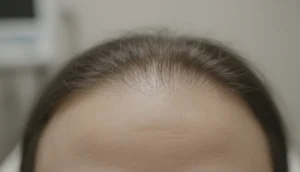
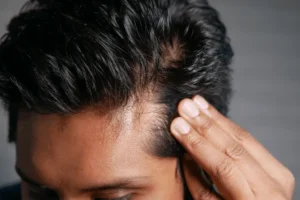
Understanding what vitamins cause hair loss is essential for anyone noticing increased shedding or thinning strands. While many people turn to supplements hoping to boost hair growth, an imbalance—whether a deficiency or an excess—can actually accelerate loss. In this article we explore the most common vitamins linked to hair problems, explain the science behind each, and provide practical steps to keep your scalp healthy. Recent studies show that up to 30% of hair‑related complaints have a nutritional component, making it a critical factor before considering surgical solutions.
We will examine how specific nutrients influence the hair cycle, identify warning signs of deficiency, and outline safe supplementation strategies. Whether you’re dealing with diffuse thinning, patchy loss, or simply want to protect your existing hair, this guide equips you with the knowledge to make informed choices.
Let’s dive into the role of vitamins in hair health and uncover which ones you should monitor closely.
Understanding Vitamin‑Related Hair Loss
Hair follicles are highly metabolic structures that rely on a steady supply of nutrients to progress through the growth (anagen), regression (catagen), and rest (telogen) phases. When the body lacks certain vitamins, the follicle’s ability to produce keratin—a key protein in hair—diminishes, leading to premature shedding.
Key Vitamins to Watch
- Vitamin A: Essential for sebum production; both deficiency and excess can disrupt the scalp environment.
- Vitamin D: Regulates hair follicle cycling; low levels are linked to telogen effluvium.
- Vitamin E: Antioxidant that protects follicle cells from oxidative stress.
- Vitamin B12: Supports red blood cell formation, delivering oxygen to hair follicles.
- Biotin (Vitamin B7): Often marketed for hair health, though deficiency is rare.
Research indicates that an imbalance in any of these can be a hidden cause of shedding. For example, a study of 150 patients with diffuse alopecia found that 42% had suboptimal vitamin D levels, directly correlating with increased hair loss.
Understanding what vitamins cause hair loss helps you recognize early signs—such as dry scalp, brittle strands, or slowed growth—and take corrective action before the condition worsens.
Common Vitamin Deficiencies Linked to Hair Thinning
Identifying a deficiency is the first step toward reversing its impact on hair. Below is a comparison of the most frequently observed deficiencies and their specific hair‑related symptoms.
| Vitamin | Typical Deficiency Symptoms | Hair‑Related Effects |
|---|---|---|
| Vitamin A | Dry skin, night blindness | Dry, brittle hair; increased shedding |
| Vitamin D | Bone pain, fatigue | Telogen effluvium, slowed growth |
| Vitamin E | Muscle weakness, vision problems | Oxidative damage to follicles, thinning |
| Vitamin B12 | Fatigue, numbness | Reduced oxygen delivery, diffuse loss |
| Iron (often grouped with vitamins) | Pale skin, shortness of breath | Hair loss especially in women, brittle strands |
Among these, iron deficiency is a leading cause of hair loss in women of reproductive age. A meta‑analysis of 12 clinical trials reported that iron supplementation improved hair density in 68% of participants with low ferritin.
When you suspect a deficiency, a simple blood test can confirm levels of vitamin D, B12, ferritin, and others. Addressing the gap through diet or targeted supplementation often restores normal hair growth cycles.
When Supplements May Harm: Overdose and Interactions
While correcting a deficiency is beneficial, taking vitamins in excess can paradoxically cause the very problem you aim to solve. Over‑supplementation is a growing concern, especially with self‑prescribed high‑dose regimens found online.
Excess Vitamin Risks
- Vitamin A toxicity: Can lead to sebaceous gland hyperactivity, resulting in a greasy scalp and follicular inflammation.
- Vitamin D overdose: May cause hypercalcemia, which interferes with hair follicle metabolism.
- Vitamin E megadoses: Though an antioxidant, very high doses can impair blood clotting, affecting scalp circulation.
Interactions between supplements also matter. For instance, high doses of zinc can interfere with copper absorption, leading to secondary deficiencies that affect melanin production and hair pigmentation.
To avoid these pitfalls, follow recommended daily allowances (RDAs) and consult a healthcare professional before starting any new regimen. Monitoring serum levels after a few weeks of supplementation ensures you stay within safe limits.
Supporting Hair Health: Balanced Nutrition and Safe Supplementation
Rather than relying on isolated supplements, a holistic approach that combines a nutrient‑rich diet with targeted, safe supplementation yields the best results for hair preservation.
Foods Rich in Hair‑Supporting Nutrients
- Vitamin A: Sweet potatoes, carrots, spinach.
- Vitamin D: Fatty fish (salmon, mackerel), fortified dairy, sunlight exposure.
- Vitamin E: Almonds, sunflower seeds, avocado.
- Vitamin B12: Eggs, lean meats, fortified plant milks.
- Iron: Lentils, red meat, pumpkin seeds.
When diet alone falls short, consider a multivitamin that matches your specific needs. Look for products that list bioavailable forms, such as methylcobalamin for B12 or cholecalciferol for vitamin D, and avoid megadoses unless medically indicated.
Consistent intake of these nutrients supports the anagen phase, strengthens the hair shaft, and reduces the likelihood that what vitamins cause hair loss will become a concern.
Practical Steps to Identify and Address Vitamin‑Related Hair Loss
Taking action early can prevent permanent follicular damage. Follow this step‑by‑step plan to assess and correct potential vitamin issues.
- Evaluate your diet: Keep a 3‑day food journal to spot gaps in vitamin intake.
- Get a blood panel: Request tests for vitamin D, B12, ferritin, and thyroid function.
- Consult a specialist: A dermatologist or nutritionist can interpret results and recommend appropriate dosages.
- Adjust your regimen: Incorporate deficient foods, consider a tailored supplement, and avoid excessive self‑medication.
- Monitor progress: Photograph your scalp monthly and re‑test blood levels after 8–12 weeks.
By systematically addressing nutritional factors, you reduce the risk that what vitamins cause hair loss will undermine your confidence. If hair loss persists despite optimal nutrition, it may be time to explore medical or surgical options such as the advanced FUE and DHI techniques offered by Gold City Hair.
Why Choose Gold City Hair for Your Hair Restoration Journey
Gold City Hair combines cutting‑edge transplant technology with a personalized, transparent approach. Since 2017, our clinic in Turkey has helped thousands regain confidence through FUE, DHI, and eyebrow or beard transplants. Our team of certified surgeons prioritizes patient safety, detailed pre‑operative assessments, and post‑procedure support, ensuring natural‑looking, long‑lasting results.
Take Control of Your Hair Health Today
Ready to restore your hair’s full potential? Schedule a free, no‑obligation consultation with Gold City Hair’s experts and discover a customized plan that addresses both nutritional and surgical solutions.
Contact us now to book your appointment and take the first step toward a healthier scalp and renewed confidence.
FAQ
What vitamins can cause hair loss?
Vitamins A, D, E, B12, and biotin (B7) can contribute to hair loss when deficient or taken in excess.
How does vitamin D deficiency affect hair?
Low vitamin D levels are associated with increased shedding and slower hair growth due to disrupted follicle cycling.
Can taking too much vitamin A lead to hair loss?
Yes, excessive vitamin A can cause scalp oiliness and follicular inflammation, which may result in hair loss.
What are the signs of a vitamin deficiency related to hair thinning?
Common signs include dry scalp, brittle hair, slowed growth, and increased shedding.
How can I safely supplement vitamins to support hair growth?
Use a balanced multivitamin, follow recommended daily allowances, and get blood tests to tailor supplementation.
Is iron deficiency linked to hair loss in women?
Yes, iron deficiency is a common cause of hair loss in women of reproductive age.
When should I get a blood test for hair‑related vitamin levels?
If you notice unexplained hair thinning, scalp changes, or have risk factors like restrictive diets, get a blood panel.