Understanding how to stop hair thinning and hair loss begins with recognizing the many factors that contribute to a weaker scalp and finer strands. Whether you are noticing a subtle increase in shedding or a more pronounced recession, the journey to healthier hair starts with knowledge and a proactive plan.
According to recent dermatological studies, up to 40% of men and 30% of women experience noticeable thinning by the age of 35. This common concern not only affects appearance but can also impact confidence and overall well‑being. In this article we will explore the root causes, lifestyle adjustments, medical options, and nutritional support that together form a comprehensive approach to preserving and regrowing hair.
By the end of the guide, you will have a clear roadmap to address hair thinning alopecia, decide when professional intervention is necessary, and understand why a reputable clinic such as Gold City Hair can be an essential partner in achieving lasting results.
Understanding the Root Causes of Hair Thinning
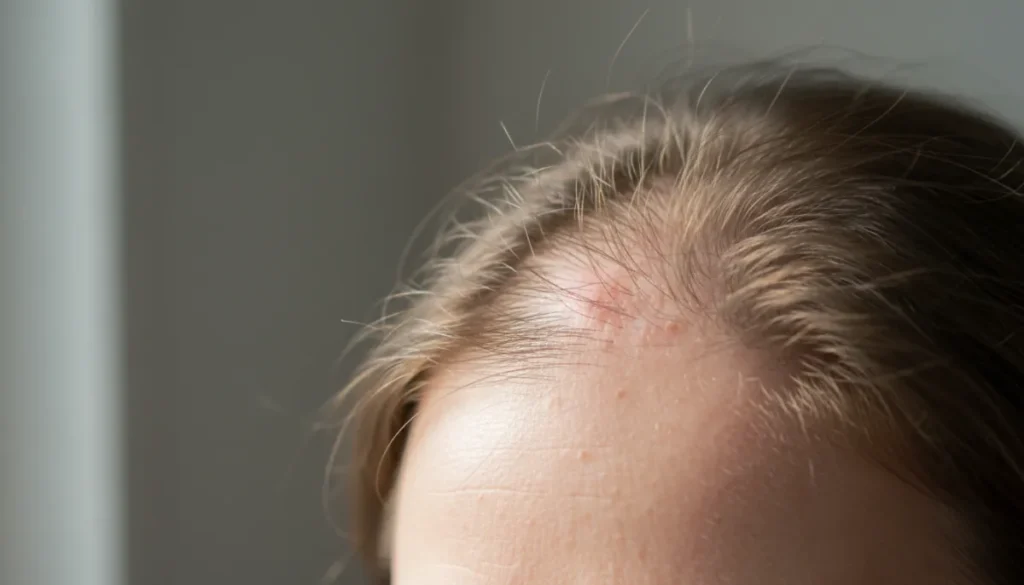
Hair thinning is rarely the result of a single factor. Instead, it often stems from a combination of genetic, hormonal, environmental, and lifestyle influences. Recognizing these drivers helps you target the most effective interventions.
Genetic predisposition remains the leading cause, especially in male pattern baldness and female pattern alopecia. Hormonal fluctuations, particularly the role of dihydrotestosterone (DHT), can accelerate follicle mini‑size, leading to finer strands and eventual shedding.
Other common contributors include:
- Chronic stress that disrupts the hair growth cycle.
- Nutrient deficiencies, especially iron, zinc, and biotin.
- Excessive use of heat styling tools and harsh chemical treatments.
- Underlying medical conditions such as thyroid disorders or autoimmune diseases.
- Medications like certain antidepressants, blood thinners, and chemotherapy agents.
Understanding these triggers enables you to select targeted solutions, whether they are lifestyle modifications, topical applications, or advanced hair loss treatment options.
Lifestyle Adjustments and Home Remedies
Before turning to medical interventions, many individuals find success with simple, consistent changes to daily routines. These approaches not only support overall health but also create a favorable environment for hair follicles to thrive.
Stress management is crucial. Chronic cortisol elevation can push hair follicles into the telogen (resting) phase, leading to increased shedding. Incorporate relaxation techniques such as meditation, deep‑breathing exercises, or regular physical activity to lower stress levels.
Nutrition plays a pivotal role. A balanced diet rich in proteins, omega‑3 fatty acids, and essential vitamins can dramatically improve hair density. Consider adding the following foods to your meals:
| Food Group | Key Nutrients | Benefit for Hair |
|---|---|---|
| Lean Proteins | Protein, Iron | Provides building blocks for keratin |
| Fatty Fish | Omega‑3, Vitamin D | Reduces inflammation, supports scalp health |
| Leafy Greens | Vitamin A, C, K, Folate | Improves circulation to follicles |
| Nuts & Seeds | Zinc, Selenium | Promotes hair strength and shine |
Topical remedies can also complement dietary changes. Gentle scalp massages with natural oils—such as rosemary, peppermint, or jojoba—stimulate blood flow and may enhance the effectiveness of hair growth products. Use these oils 2–3 times per week, leaving them on the scalp for at least 30 minutes before washing.
Finally, avoid habits that damage hair shafts: limit heat styling, use sulfate‑free shampoos, and protect hair from harsh UV exposure with hats or UV‑filtering products.
Medical and Professional Treatments
When lifestyle adjustments alone are insufficient, medical options provide a more direct route to halting hair thinning and promoting regrowth. Below is a concise comparison of the most widely used treatments.
| Treatment | How It Works | Typical Results | Considerations |
|---|---|---|---|
| Finasteride (Oral) | Blocks conversion of testosterone to DHT | 30‑45% reduction in shedding, modest regrowth | Prescription required; monitor for side effects |
| Minoxidil (Topical) | Vasodilator that prolongs growth phase | Visible thickening after 4‑6 months | Must be applied twice daily; possible scalp irritation |
| Platelet‑Rich Plasma (PRP) | Injects concentrated platelets to stimulate follicles | Improves density in 60‑70% of patients | Multiple sessions needed; cost varies |
| FUE Hair Transplant | Extracts individual follicular units and implants them | Natural‑looking permanent results | Invasive; requires skilled surgeon |
| DHI Technique | Direct implantation using a Choi pen | Higher graft survival, quicker recovery | Specialized equipment; higher price point |
Prescription‑based hair loss medication such as finasteride and topical minoxidil remain first‑line therapies for many patients. For those seeking a more permanent solution, hair transplant methods like FUE (Follicular Unit Extraction) and DHI (Direct Hair Implantation) offer high success rates, especially when performed by experienced clinicians.
Emerging options include low‑level laser therapy (LLLT) devices and nutraceuticals like biotin‑enhanced supplements. While these can support existing treatments, they are typically less effective as stand‑alone solutions for significant thinning.
Nutritional Support and Supplements
Beyond whole‑food nutrition, targeted supplements can fill gaps that diet alone may miss. Research indicates that certain vitamins and minerals directly influence the hair growth cycle.
Consider incorporating the following into your daily regimen, after consulting with a healthcare professional:
- Biotin (Vitamin B7) – Supports keratin production; 2,500–5,000 µg daily is common.
- Vitamin D – Deficiency is linked to alopecia; 1,000–2,000 IU per day.
- Iron – Essential for oxygen transport to follicles; especially important for women with heavy menstrual cycles.
- Zinc – Regulates hormone levels and cell division; 15–30 mg daily.
- Omega‑3 Fatty Acids – Anti‑inflammatory properties that improve scalp health.
Many patients also benefit from comprehensive hair growth supplements that combine these nutrients in synergistic formulas. While supplements can enhance results, they work best when paired with proper diet, stress management, and, if needed, medical treatments.
Choosing the Right Approach and When to Seek Professional Help
Deciding on a treatment pathway depends on the severity of thinning, underlying causes, and personal preferences. Here are key considerations to guide your decision:
- Degree of Hair Loss – Mild shedding may respond to lifestyle changes and topical agents, while moderate to severe thinning often requires prescription medication or surgical options.
- Age and Hormonal Status – Younger patients with early‑stage androgenic alopecia benefit from early intervention with finasteride or minoxidil.
- Medical History – Certain conditions (e.g., cardiovascular disease) may limit the use of specific drugs.
- Budget and Time Commitment – Surgical procedures involve higher upfront costs but provide lasting results; non‑invasive methods require ongoing maintenance.
- Desired Outcome – If you aim for a natural‑looking, permanent density, a hair transplant performed by a skilled clinic is often the optimal choice.
If you notice rapid shedding, widening bald spots, or notice that over‑the‑counter products are not delivering results within six months, it is advisable to schedule a professional evaluation. A qualified specialist can perform a scalp assessment, discuss potential baldness therapy options, and design a personalized plan that may include a combination of medical and surgical treatments.
Why Choose Gold City Hair
Gold City Hair has been a trusted leader in hair restoration since 2017, offering state‑of‑the‑art FUE, DHI, and eyebrow/beard transplant techniques. Our clinic prioritizes personalized care, transparent communication, and evidence‑based treatments that empower patients to regain confidence. With a team of experienced surgeons and a commitment to safety, we deliver natural, lasting results tailored to each individual’s needs.
Ready to take the first step toward fuller, healthier hair? Contact Gold City Hair today to schedule a confidential consultation and discover the most effective solution for your unique situation.
Experience professional expertise, cutting‑edge technology, and a supportive journey to renewed confidence.
FAQ
What are the main causes of hair thinning and hair loss?
Hair thinning is usually caused by genetics, hormonal changes (especially DHT), stress, nutrient deficiencies, harsh styling, medical conditions, and certain medications.
How can lifestyle changes help stop hair thinning?
Adopting stress‑reduction techniques, eating a nutrient‑rich diet, using gentle hair care products, and massaging the scalp can improve follicle health and reduce shedding.
Which medical treatments are most effective for hair loss?
Finasteride, minoxidil, PRP injections, and surgical options such as FUE or DHI transplants are the most widely proven treatments.
Are there specific supplements that support hair growth?
Biotin, vitamin D, iron, zinc, and omega‑3 fatty acids are the key supplements that can help improve hair density when combined with a proper diet.
When should I consult a professional for hair loss?
Seek professional evaluation if shedding is rapid, bald spots are widening, or over‑the‑counter products show no improvement after six months.
What is the difference between FUE and DHI hair transplant techniques?
FUE extracts individual follicular units and implants them manually, while DHI uses a specialized pen to place grafts directly, offering higher survival rates and quicker recovery.
Can stress management improve hair thinning?
Yes, reducing chronic stress can prevent follicles from entering the telogen phase, thereby decreasing shedding and supporting regrowth.