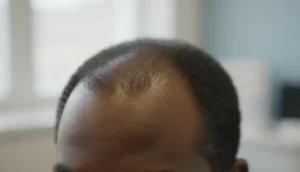
Many people ask, why do i shed so much hair, and the answer isn’t always simple. Hair shedding is a natural part of the growth cycle, but when the amount feels excessive, it can signal underlying issues that deserve attention. In this article we’ll explore the most common reasons behind heavy shedding, how lifestyle and health influence the process, when professional help is necessary, and what you can do today to regain control of your hair health.
On average, a person loses about 50 to 100 strands each day—a figure that most never notice. However, if you find clumps in the shower, on your pillow, or notice a widening part, you may be experiencing more than the normal range. Recent studies show that up to 40% of adults report increased hair fall at some point in their lives, making it a widespread concern.
We’ll break down the science, provide practical tips, and highlight the signs that indicate it’s time to consult a specialist. By the end, you’ll have a clear roadmap for addressing excessive shedding and restoring confidence in your appearance.
Common Reasons for Excessive Hair Shedding
Understanding the root causes is the first step toward effective management. Below are the most frequently reported factors that can turn normal hair loss into noticeable shedding.
- Telogen effluvium – a temporary shift of hairs into the resting phase, often triggered by stress, illness, or hormonal changes.
- Iron or zinc deficiency – essential nutrients that support hair follicle health.
- Thyroid disorders – both hypothyroidism and hyperthyroidism can disrupt the hair cycle.
- Medications – especially anticoagulants, beta‑blockers, and certain antidepressants.
- Severe weight loss or crash diets – rapid nutrient depletion can cause shedding.
Below is a quick comparison to help you differentiate normal shedding from a potential problem:
| Aspect | Normal Shedding | Excessive Shedding |
|---|---|---|
| Strands lost per day | 50‑100 | 150+ or noticeable clumps |
| Location | Evenly distributed | Concentrated at crown or part line |
| Duration | Transient, no lasting thinning | Weeks to months, may lead to visible thinning |
When you notice a sudden increase in hair fall, asking yourself “why do i shed so much hair?” often points to one of these triggers. Recognizing the pattern can guide you toward the right solution.
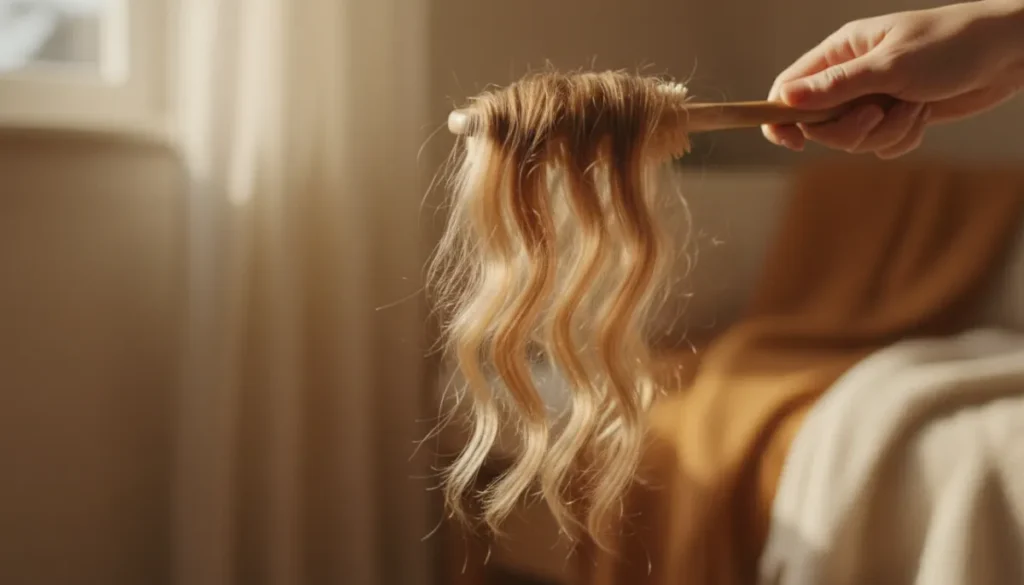
How Lifestyle and Health Impact Hair Shedding
Your daily habits and overall health play a critical role in the health of your scalp and follicles. Below are lifestyle factors that commonly influence the amount of hair you lose.
Nutrition and Diet
Insufficient protein, vitamin D, and B‑vitamins can weaken hair shafts. A balanced diet rich in lean meats, legumes, leafy greens, and nuts supports robust hair growth.
Stress and Sleep
Chronic stress elevates cortisol levels, which may push follicles into the telogen phase. Aim for 7‑9 hours of quality sleep per night to help regulate hormonal balance.
Hormonal Changes
Pregnancy, menopause, and conditions such as polycystic ovary syndrome (PCOS) cause hormonal fluctuations that often manifest as increased shedding.
Hair Care Practices
Excessive heat styling, tight hairstyles, and harsh chemical treatments can cause mechanical damage and lead to “hair falling out in clumps.”
Key lifestyle adjustments to consider:
- Incorporate omega‑3 rich foods (e.g., salmon, chia seeds) to reduce inflammation.
- Practice gentle hair handling—avoid vigorous towel drying.
- Limit the use of high‑heat tools to no more than twice a week.
- Stay hydrated—aim for at least 2 liters of water daily.
- Schedule regular physical activity to lower stress hormones.
Addressing these factors often reduces the frequency of “why do i shed so much hair” episodes and promotes a healthier growth cycle.
When to Seek Professional Evaluation
While many cases of increased shedding resolve on their own, certain signs indicate that medical assessment is warranted. Below are red‑flag symptoms that should prompt a visit to a dermatologist or hair‑restoration specialist.
- Rapid thinning over a short period (weeks).
- Persistent bald patches or a receding hairline.
- Scalp itching, redness, or pain.
- Sudden hair loss after a major illness or surgery.
- Family history of early‑onset balding.
During a consultation, a specialist will typically perform:
| Examination | Purpose |
|---|---|
| Scalp dermoscopy | Assess follicle density and detect miniaturization. |
| Blood tests | Check for anemia, thyroid function, and hormonal levels. |
| Medical history review | Identify medication side effects or recent stressors. |
If the evaluation points to a treatable condition—such as iron deficiency or thyroid imbalance—addressing that issue often stops the shedding cycle. In cases of pattern baldness, options like FUE or DHI transplantation may be discussed.
Effective Strategies to Reduce Shedding
Once the underlying cause is identified, targeted interventions can dramatically decrease hair loss. Below are evidence‑based strategies you can implement immediately.
Topical Treatments
Minoxidil (2% for women, 5% for men) is FDA‑approved to prolong the growth phase and increase follicle size. Apply twice daily to a clean, dry scalp.
Supplements
Biotin, zinc, and saw palmetto have shown modest benefits for individuals with nutrient‑related shedding. Always consult a healthcare professional before starting new supplements.
Medical Therapies
In cases of hormonal imbalance, low‑dose oral contraceptives or anti‑androgen medications may be prescribed. For autoimmune‑related alopecia, corticosteroids can reduce inflammation.
Procedural Options
When shedding progresses to noticeable thinning, hair transplant techniques such as Follicular Unit Extraction (FUE) or Direct Hair Implantation (DHI) can restore density with natural‑looking results.
Quick action checklist:
- Confirm diagnosis with a qualified specialist.
- Start a consistent minoxidil regimen if appropriate.
- Address nutritional gaps through diet or supplements.
- Manage stress with mindfulness or regular exercise.
- Consider advanced restorative procedures if conservative measures fail.
Implementing these steps often answers the lingering question, “why do i shed so much hair,” by tackling the problem at its source.
Myths and Misconceptions About Hair Shedding
There is a lot of misinformation circulating online, which can lead to unnecessary worry. Let’s debunk some common myths.
- Myth: Shaving your head makes hair grow back thicker.
Fact: Cutting hair does not affect follicle health; thickness is determined by genetics and hormonal factors. - Myth: Wearing hats causes baldness.
Fact: Hats only affect hair if they cause friction or trap excessive heat, which is rare. - Myth: Frequent washing reduces shedding.
Fact: Over‑washing can strip natural oils, leading to scalp irritation and potentially more shedding. - Myth: All hair loss is permanent.
Fact: Many forms, such as telogen effluvium, are reversible with proper treatment.
Understanding the truth behind these beliefs helps you focus on proven solutions rather than ineffective home remedies.
Why Choose Gold City Hair for Your Hair Restoration
Gold City Hair has been a trusted partner for individuals seeking lasting solutions since 2017. Our clinic specializes in advanced techniques such as FUE and DHI, delivering natural‑looking results with minimal downtime. We prioritize a personalized approach, ensuring transparent communication at every step—from the initial consultation to post‑procedure care. With a dedicated team of experienced surgeons and a commitment to patient confidence, Gold City Hair offers a safe, effective pathway to reclaiming a fuller head of hair.
Ready to stop wondering “why do i shed so much hair” and start seeing real results? Contact Gold City Hair today to schedule your personalized assessment and take the first step toward a healthier scalp.
Call now or fill out our online form to begin your journey to renewed confidence.
FAQ
What is telogen effluvium and how does it cause hair shedding?
Telogen effluvium is a temporary shift of hair follicles into the resting phase, leading to increased shedding.
Can nutrient deficiencies like iron or zinc cause excessive hair loss?
Yes, low iron or zinc levels can weaken hair follicles and increase shedding.
How does stress affect hair shedding and what can be done about it?
Stress raises cortisol, pushing follicles into telogen and causing shedding; managing stress can help.
When should I see a dermatologist for my hair shedding?
Seek professional help if shedding is rapid, accompanied by scalp symptoms, or you notice bald patches.
Is minoxidil effective for reducing hair shedding?
Yes, minoxidil is FDA‑approved to prolong the growth phase and can reduce shedding.
Are hair transplant procedures like FUE or DHI suitable for someone with excessive shedding?
Transplants can restore density after the underlying cause is treated, but they are not a first‑line solution for active shedding.