If you’re wondering how to reverse hair loss from medication, you’re not alone. Many patients discover thinning strands after starting a new prescription, and the sudden change can feel unsettling. Understanding the root cause, exploring safe medical strategies, and knowing when to consider advanced solutions are essential steps toward regaining confidence.
Studies show that up to 20% of individuals on long‑term drug therapy notice some degree of hair shedding, yet most are unaware that the effect is often reversible. This article walks you through the science behind medication‑induced hair loss, practical steps to halt and reverse the process, and the role of professional hair restoration when needed.
We’ll cover common culprits, medical adjustments, nutritional support, and the latest transplant techniques offered by Gold City Hair. By the end, you’ll have a clear roadmap to restore your hair and confidence.
Understanding Medication‑Induced Hair Loss
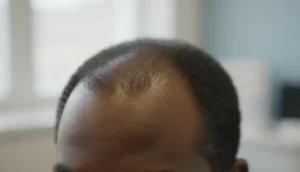
Hair follicles operate on a delicate hormonal balance. Certain drugs can disrupt this equilibrium, leading to a condition known as telogen effluvium, where hair prematurely enters the shedding phase. Recognizing the type of medication and its mechanism helps you and your physician decide the best course of action.
Common Culprits
- Blood pressure medications (beta‑blockers, ACE inhibitors)
- Antidepressants (SSRIs, tricyclics)
- Hormonal therapies (birth control pills, hormone replacement)
- Chemotherapy agents
- Anticoagulants (warfarin, heparin)
- Weight‑loss drugs (e.g., Ozempic)
For example, does Ozempic cause hair loss? While not a direct side effect, the rapid weight loss it can trigger may stress the hair cycle, resulting in temporary thinning. Understanding these links empowers you to discuss alternatives with your healthcare provider.
| Drug Class | Typical Effect on Hair | Reversibility |
|---|---|---|
| Beta‑blockers | Diffuse thinning | Often reversible after dose adjustment |
| SSRIs | Telogen effluvium | Improves with medication switch |
| Chemotherapy | Rapid, extensive shedding | Typically regrows within months post‑treatment |
| Hormonal therapy | Patterned thinning | Depends on hormonal balance restoration |
Identifying the specific drug responsible is the first step in learning how to reverse hair loss from medication. Once pinpointed, you can explore targeted interventions.

Medical Strategies to Stop and Reverse Hair Loss
When a prescription is identified as the trigger, the most effective approach is a collaborative review with your prescribing physician. Adjusting dosage, switching to a less‑hair‑friendly alternative, or adding supportive treatments can often halt further loss and stimulate regrowth.
Key Medical Interventions
- Medication Review: Request a comprehensive assessment of all current drugs. In many cases, a simple dosage reduction or substitution can resolve the issue.
- Topical Treatments: Minoxidil (2% for women, 5% for men) is FDA‑approved for promoting hair growth and can be safely combined with most systemic medications.
- Oral Finasteride: Primarily used for male‑pattern baldness, finasteride can also counteract hormone‑related shedding caused by certain drugs. Discuss suitability, especially for women of child‑bearing age.
- Platelet‑Rich Plasma (PRP): An in‑office procedure that delivers growth factors to the scalp, enhancing follicle health during recovery.
- Low‑Level Laser Therapy (LLLT): Non‑invasive light devices that improve cellular metabolism in hair follicles.
Integrating these options often yields noticeable improvement within 3–6 months. However, patience and consistent use are crucial.
For individuals seeking a more permanent solution, especially when medication adjustments alone are insufficient, exploring hair transplant techniques becomes a logical next step.
Nutritional and Lifestyle Support for Hair Regrowth
While medical adjustments address the direct cause, nourishing the body from the inside out creates an optimal environment for hair follicles to recover. Certain vitamins, minerals, and lifestyle habits have proven benefits for regrowing hair after drug‑induced loss.
Top Supplements and Foods
- Biotin (Vitamin B7): Supports keratin production; found in eggs, nuts, and supplements.
- Vitamin D: Deficiency correlates with increased shedding; sunlight exposure and fortified foods help.
- Iron: Essential for oxygen transport to follicles; red meat, lentils, and spinach are rich sources.
- Zinc: Aids DNA synthesis in hair cells; pumpkin seeds and oysters are excellent.
- Omega‑3 Fatty Acids: Reduce inflammation; fatty fish, flaxseed, and walnuts are beneficial.
| Supplement | Daily Dose | Key Benefit |
|---|---|---|
| Biotin | 5,000 µg | Strengthens keratin structure |
| Vitamin D3 | 2,000 IU | Promotes follicle cycling |
| Iron (as ferrous sulfate) | 18 mg | Improves oxygen delivery |
| Zinc gluconate | 30 mg | Supports DNA synthesis |
| Omega‑3 (EPA/DHA) | 1,000 mg | Reduces scalp inflammation |
Adopting a balanced diet, staying hydrated, managing stress through exercise or mindfulness, and ensuring adequate sleep (7–9 hours) further reinforce the hair growth cycle. These lifestyle tweaks, combined with medical therapy, increase the likelihood of successfully reversing hair loss from medication.
When to Consider Hair Transplant Options
If medication adjustments and supportive therapies have not restored sufficient density, a hair transplant may be the most effective long‑term solution. Gold City Hair specializes in modern techniques that deliver natural‑looking results with minimal downtime.
Available Techniques
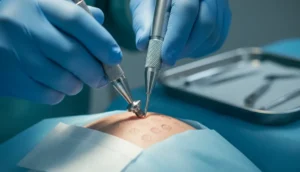
- Follicular Unit Extraction (FUE): Individual follicles are harvested and implanted, leaving virtually no linear scar.
- Direct Hair Implantation (DHI): Similar to FUE but uses a patented implanter pen for precise placement and higher graft survival.
- Eyebrow & Beard Transplants: Tailored for facial hair restoration, using the same meticulous methods.
| Technique | Graft Survival Rate | Typical Recovery Time | Ideal Candidates |
|---|---|---|---|
| FUE | 90‑95% | 7‑10 days | Patients with moderate to extensive thinning |
| DHI | 92‑96% | 5‑8 days | Those seeking higher density in a short session |
| Eyebrow/Beard | 94‑98% | 5‑7 days | Individuals with facial hair loss due to medication or genetics |
Choosing the right method depends on your scalp condition, donor hair availability, and aesthetic goals. At Gold City Hair, a personalized consultation evaluates your history—including any medication‑related hair loss—and designs a plan that aligns with your expectations.
Why Choose Gold City Hair
Gold City Hair has been a trusted hair restoration center in Turkey since 2017, offering personalized care and transparent communication throughout every step of the journey. Our team combines expertise in FUE, DHI, and facial hair transplants with a compassionate approach, ensuring each patient receives a tailored solution that addresses both medical and aesthetic concerns.
We prioritize safety, using state‑of‑the‑art facilities and internationally recognized protocols. Whether you are managing medication‑induced shedding or seeking a permanent restoration, our comprehensive evaluation and after‑care program empower you to regain confidence with lasting results.
Ready to stop medication‑related hair loss and start regaining your confidence? Contact Gold City Hair today to schedule a personalized consultation and explore the best treatment plan for you.
Take the first step toward healthier hair—our experts are here to guide you every step of the way.
FAQ
What causes medication‑induced hair loss?
Certain drugs disrupt the hormonal balance of hair follicles, triggering telogen effluvium or other shedding patterns.
Can adjusting the dosage of a medication stop hair loss?
Yes, a dosage reduction or switching to a less‑hair‑friendly alternative often reverses shedding.
Are topical treatments like minoxidil effective for medication‑related shedding?
Minoxidil can stimulate regrowth and is safe to use alongside most systemic drugs.
What supplements support hair regrowth after drug‑induced loss?
Biotin, vitamin D, iron, zinc, and omega‑3 fatty acids are the most beneficial.
When should I consider a hair transplant for medication‑induced loss?
If medical and nutritional measures fail to restore sufficient density after 6–12 months, a transplant may be appropriate.
Is PRP therapy useful for reversing medication‑related hair loss?
PRP can boost follicle health and accelerate regrowth when combined with other treatments.