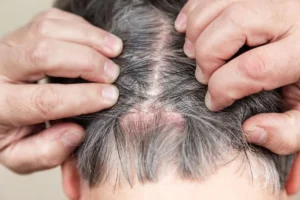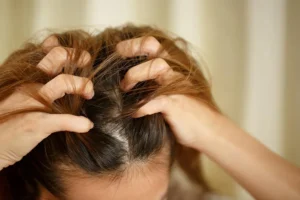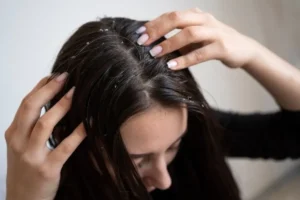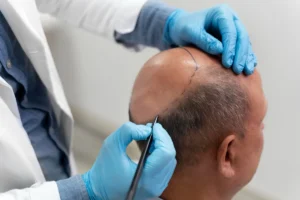
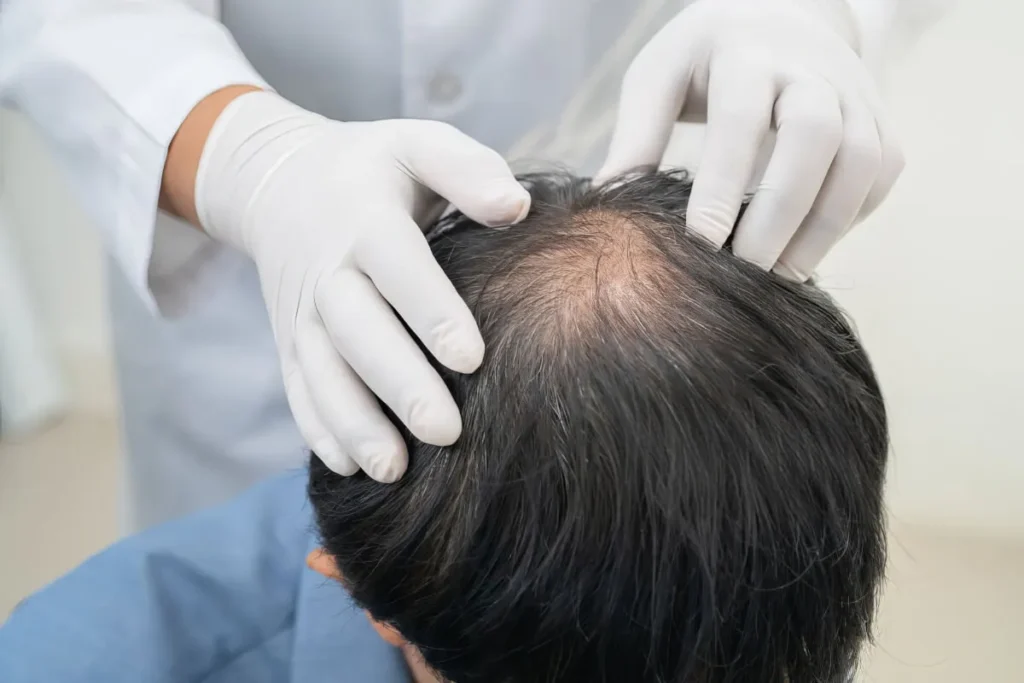
Hair loss is a big worry for millions around the world. Androgenetic alopecia, the most common type, affects many men and women over their lives.
Do hair loss treatments work? Discover the amazing truth and powerful scientific evidence for incredible hair regrowth and thickness today.
Many things can cause hair loss. This includes genes, hormonal shifts, stress, and some health issues. Finding a good treatment is hard because of these many causes.
Scientists are working hard to find better treatments for hair loss. They’re looking into new ideas like stem cell therapy and special molecules.
Key Takeaways
Hair loss affects a significant global population.
Androgenetic alopecia is the most common form of hair loss.
Multiple factors contribute to hair loss, making treatment complex.
Research is ongoing to find more effective treatments.
New treatments, such as stem cell therapies, show promise.
Understanding Hair Loss: Types and Prevalence
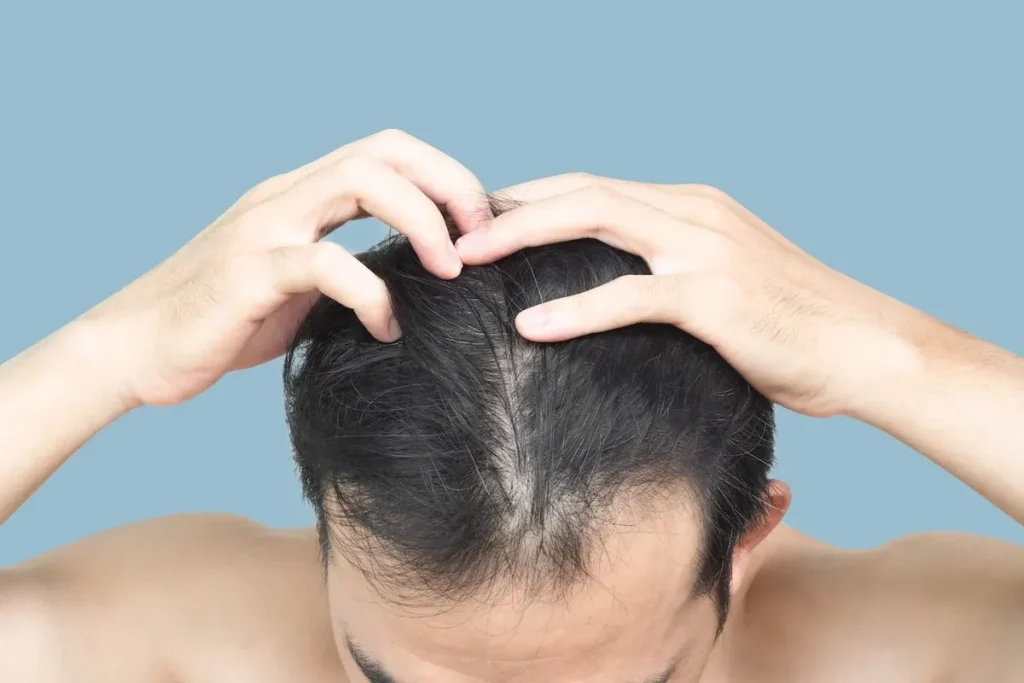
Hair loss comes in many forms, each with its own causes and effects. This variety makes treating hair loss complex.
Common Types of Hair Loss
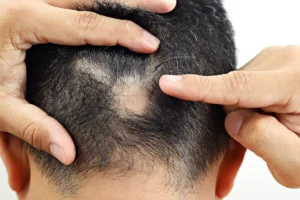
Hair loss types include androgenetic alopecia, alopecia areata, and telogen effluvium. Androgenetic alopecia is the most common, causing hair to thin gradually due to hormones and genes.
Alopecia areata is caused by the immune system attacking hair follicles. Telogen effluvium happens due to stress or big changes in the body.
Androgenetic Alopecia: Affecting 85% of Men and 55% of Women
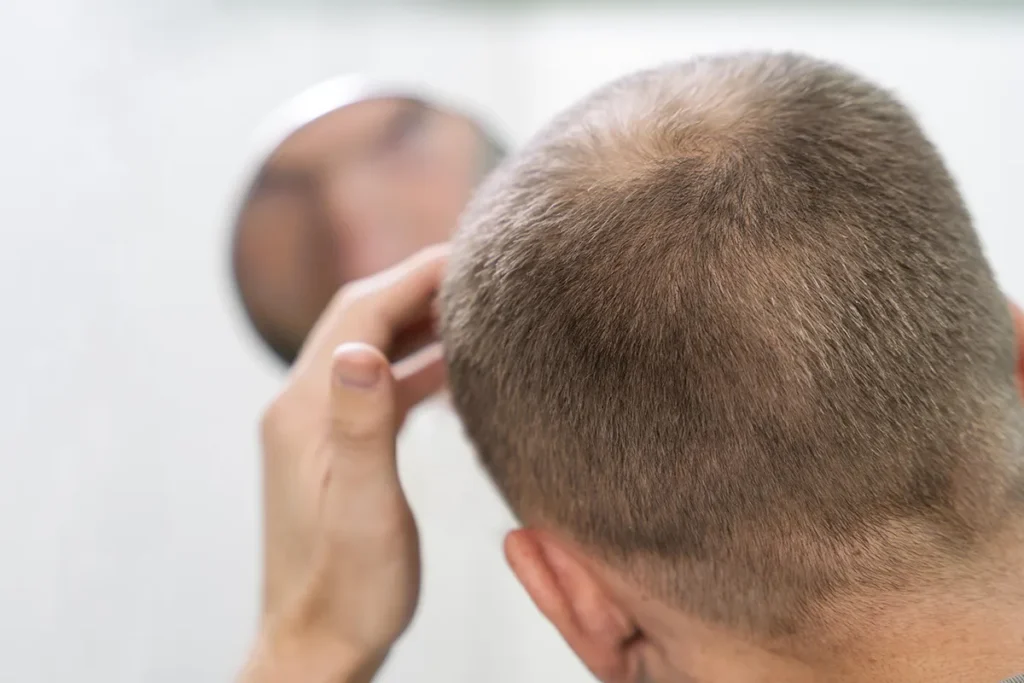
Androgenetic alopecia affects a lot of people, with 85% of men and 55% of women dealing with it. It starts with hair thinning on the scalp. This is because of a hormone called DHT, which makes hair follicles shrink.
Psychological and Social Impact
Hair loss affects more than just looks. It can hurt self-esteem and mental health. People might feel anxious, depressed, and have a lower quality of life.
It also changes how people act in social situations and at work. Hair loss can make someone feel less confident and less well overall.
It’s important to understand these effects. This way, we can create treatments that help with both the physical and emotional sides of hair loss.
Do Hair Loss Treatments Work? FDA-Approved Options
Many people search for effective hair loss treatments. The FDA has approved minoxidil and finasteride for this purpose. These treatments have been tested and shown to help grow hair and reduce loss in both men and women.
Minoxidil: Potassium Channel Opener Mechanism
Minoxidil is a topical solution for the scalp. It works by opening potassium channels, making hair follicles wider. This helps hair grow longer and thicker, reducing shedding.
To use minoxidil, apply it twice a day on the scalp. It may take a few months to see results.
Finasteride: 5-Alpha Reductase Inhibition
Finasteride is an oral medication. It blocks the enzyme 5-alpha reductase, which turns testosterone into DHT. DHT causes hair loss by shrinking follicles. By lowering DHT, finasteride slows hair loss and promotes growth.
It’s important to take finasteride as directed and be patient. It may take months to see improvements.
Treatment Application and Usage Guidelines
For both minoxidil and finasteride, regular use and patience are essential. Here are some tips:
Apply minoxidil twice daily to the scalp, massaging it in thoroughly.
Take finasteride once daily as directed by your healthcare provider.
Be prepared for a shedding phase when starting these treatments, as it may take a few months for the actual benefits to become apparent.
Combine treatments with a healthy lifestyle, including a balanced diet and reduced stress, for optimal results.
It’s also important to check in with your healthcare provider regularly. This helps monitor progress and adjust treatment plans if needed.
Scientific Evidence on Treatment Efficacy
Many studies have looked into how well hair loss treatments work. Hair loss, or alopecia, is a big problem worldwide. People are searching for treatments that really help.
Clinical Studies on Minoxidil (96-Week Results)
Minoxidil is a topical solution for the scalp. It’s a key part of hair loss treatment. A 96-week study showed it helps hair grow and slows down loss.
This study found minoxidil not only grows hair but also stops it from falling out. The 96-week results showed a big increase in hair density for those using minoxidil compared to a placebo.
Research Findings on Topical Finasteride
Finasteride is known for treating male pattern baldness orally. But research also looks at its topical form. It seems to help hair grow, giving an option for those who don’t want pills.
Studies comparing topical finasteride to minoxidil show good results. Some people see a lot of hair regrowth. But, we need more research to know its full effects and possible side effects.
Treatment Limitations and Recurrence After Discontinuation
Minoxidil and finasteride work well, but they have limits. One big problem is you need to keep using them. Stopping treatment often means hair loss starts again.
This shows how important it is to keep using hair loss treatments for a long time. Also, results can vary, and some people might have side effects. This makes choosing a treatment harder.
Emerging Innovations: JAK Inhibitors and Stem Cell Therapies
New treatments like JAK inhibitors and stem cell therapies are coming. JAK inhibitors might help hair grow by fighting inflammation. Stem cell therapies could even grow new hair follicles.
These new ideas are in the early stages but offer hope for better hair loss treatments soon.
Conclusion: Making Informed Decisions About Hair Loss Treatment
Understanding hair loss and its treatments is key for those looking to address it. By looking into different hair loss types and treatment options, like FDA-approved minoxidil and finasteride, people can make smart choices. This helps them find the right hair loss treatment.
Studies show these treatments work well, promoting hair growth and slowing loss. While they have their limits, new options like JAK inhibitors and stem cell therapies are on the horizon. They promise to bring new hope to hair loss treatments.
So, does a hair growth product really work? It depends on the options and their effectiveness. Yes, some products can regrow hair. Do hair growth products work? The answer is yes, but results can differ. Finding the right hair loss treatment means knowing your options and making an informed choice.
FAQ
Do hair growth pills really work?
Some hair growth supplements can help if you have specific nutrient deficiencies, but they usually won’t regrow hair on their own without treating the underlying cause. Their effectiveness varies widely between individuals and depends on ingredients like biotin, zinc, or iron.
What are the most effective hair loss treatments?
Clinically proven treatments include minoxidil (topical) and finasteride (oral, for men), as well as low‑level laser therapy and platelet‑rich plasma (PRP) for some people. Effectiveness depends on the cause and early use improves results.
Are there any hair regrowth products that actually work?
Yes — products like minoxidil are FDA‑approved and have been shown to promote regrowth in many users when used consistently. Other treatments like laser caps or dermatology‑prescribed solutions may also help.
How do hair growth supplements work?
Supplements aim to fill nutritional gaps by providing vitamins and minerals that support healthy hair follicles and reduce shedding. They don’t change genetics but can improve hair quality if you were deficient.
Can hair loss be treated with medication?
Yes, medications like minoxidil (topical) and finasteride (oral, for men) can slow hair loss and stimulate regrowth in many cases. A healthcare provider can determine the best option based on your condition.
What is the most effective hair growth product?
Minoxidil is considered one of the most effective and widely recommended over‑the‑counter products for hair regrowth, especially for androgenetic hair loss. Its results improve with consistent long‑term use.
Do hair growth products really work?
Some do — especially those backed by clinical research like minoxidil and prescription treatments. Results vary by individual, and consistency over months is necessary to see improvement.
Are there any products that actually regrow hair?
Yes, products such as minoxidil and certain dermatology‑prescribed therapies can help regrow hair in many people when used as directed. Early treatment and proper diagnosis boost the chances of success.
References
National Center for Biotechnology Information. Evidence-Based Medical Insight. Retrieved from https://pubmed.ncbi.nlm.nih.gov/24566563/