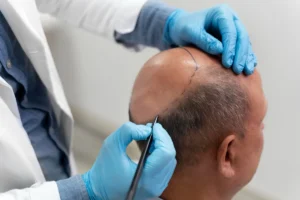
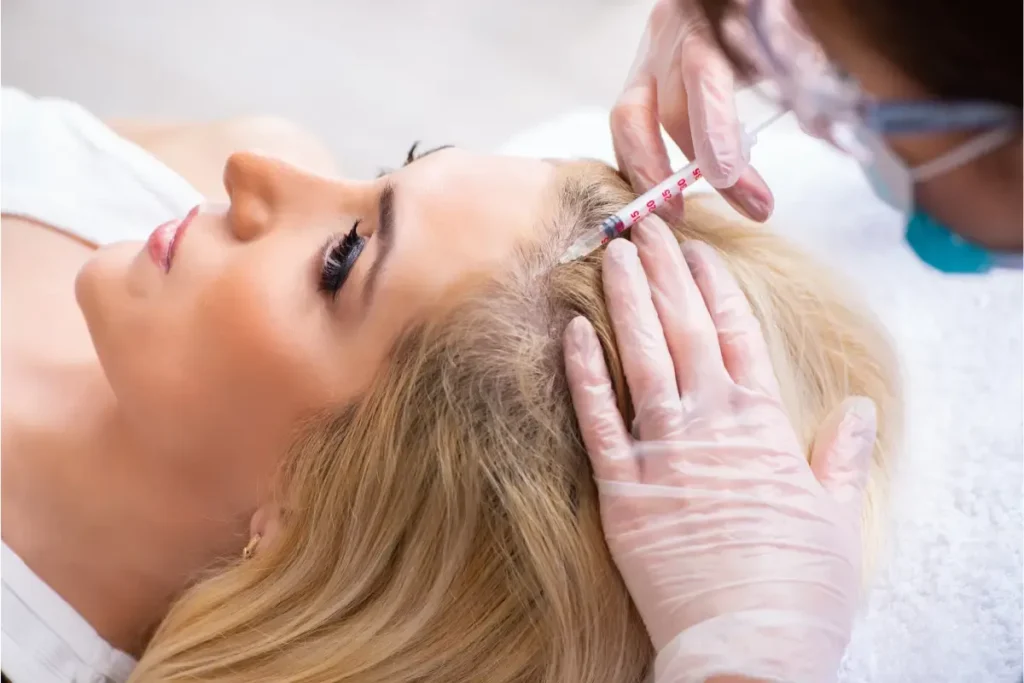
The world of cosmetic medicine is changing fast. More women than ever are looking for hair restoration solutions. From 2021 to 2024, there was a 16.5% increase in female hair restoration surgeries. Now, women make up about 15.3% of all hair transplant patients.
Hair loss is a big problem for millions of women around the globe. It causes a lot of emotional pain and affects their daily lives.
Hair surgery is becoming a popular choice for women. It offers a lasting and natural fix for hair loss. As more women seek hair restoration, it’s important to know why they lose hair, the surgical options, and what the procedures involve.
Key Takeaways
Female hair restoration patients have increased by 16.5% from 2021 to 2024.
Women now account for 15.3% of all hair transplant patients.
Hair surgery offers a permanent solution to female hair loss.
Understanding the causes and available surgical solutions is key.
Hair restoration procedures are becoming more popular among women.
Understanding Female Hair Loss and Surgical Solutions
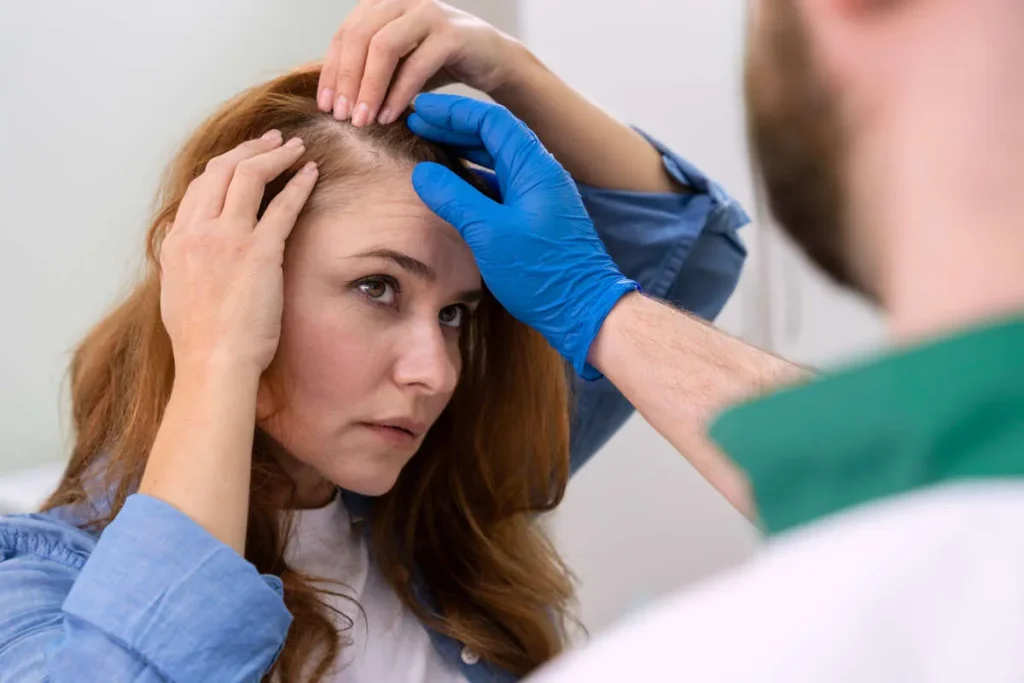
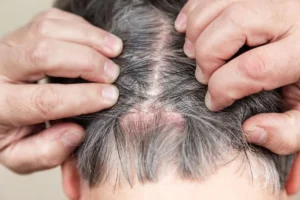
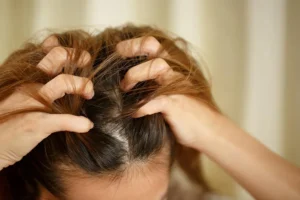
Many women face hair loss due to genetics and hormonal changes. It affects about 25% of women. By age 40, around 40% of females show visible hair loss.
Common Causes of Hair Loss in Women
Several factors cause female hair loss. Androgenic alopecia is a top reason, due to genetic sensitivity to DHT. Hormonal shifts, like during menopause or after childbirth, also play a part.
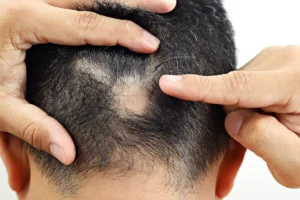
Medical issues, such as thyroid problems, autoimmune diseases, and skin conditions, can also lead to hair loss. Knowing the causes helps find the right treatment.
When to Consider Hair Surgery
For women with significant hair loss, women’s hair transplants might be an option. It’s key to think about surgery when hair loss is severe and other treatments fail.
Seeing a specialist is important to see if you’re a good fit for hair restoration surgery. They’ll check your hair loss and suggest the best procedure.
The Growing Popularity of Women’s Hair Restoration
The need for women’s hair restoration is increasing. More women are looking for ways to stop hair loss. New surgical methods, like FUE and FUT, have made transplants more effective and available.
As more women learn about hair restoration, more are choosing to get these procedures. It’s becoming common for women to take action to regain their hair and confidence.
Hair Surgery for Women: Procedures and Techniques
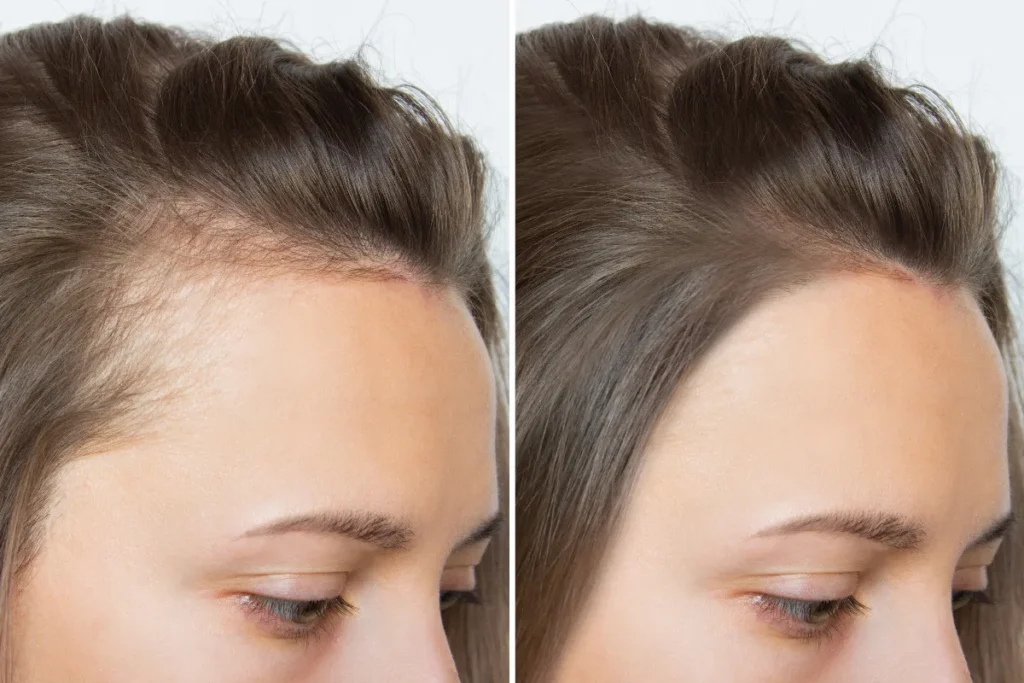
Hair surgery for women has made big strides, giving many options for restoring hair. Women’s hair transplants and grafting have improved a lot. Follicular Unit Extraction (FUE) is now used in about 66.2% of hair restoration worldwide.
Follicular Unit Extraction (FUE)
FUE is a new way to transplant hair, taking out individual follicles with a small punch. This method leaves no visible scars and heals faster than old methods. It’s great for women because it’s gentle and can take grafts from different scalp areas.
Follicular Unit Transplantation (FUT)
FUT, or strip harvesting, takes a strip of hair-bearing scalp from the back and sides. It’s effective but might leave a line scar, which worries women who like short hair. Yet, FUT is good for those needing lots of grafts.
Alternative Hair Restoration Techniques
There are other hair restoration methods too, like laser-assisted hair restoration and platelet-rich plasma (PRP) therapy. These can be used alone or with surgery to boost results and help hair grow.
Success Rates and Expected Results
The success of hair surgery for women depends on several things. These include the quality of the donor hair, the surgeon’s skill, and the person’s health. Women usually see a big improvement in hair density and look. But, it’s key to have realistic hopes and know results can differ.
Knowing about the different procedures helps women make smart choices. They can pick the best treatment for their needs.
Conclusion: Preparing for Your Hair Surgery Journey
Understanding hair loss causes and surgical solutions helps women make smart choices. Hair transplant for women can give natural-looking, lasting results.
Getting ready and caring for your hair after surgery is key. This means avoiding certain meds, eating well, and following doctor’s orders. Knowing this is important for the best results.
With the right info and prep, women can take charge of their hair journey. This boosts confidence and self-esteem. Whether it’s hair transplant women or other methods, being informed is essential.
FAQ
What is hair surgery for women?
Hair surgery for women refers to hair transplant procedures that move healthy hair follicles from a donor area (usually the back of the scalp) to thinning or bald areas to restore density and improve hairline shape.
What are the common causes of hair loss in women?
Common causes include female pattern hair loss (androgenetic alopecia), hormonal changes (pregnancy, menopause, thyroid issues), stress, nutritional deficiencies (iron, vitamin D), tight hairstyles (traction alopecia), and medical conditions.
What is the difference between FUE and FUT hair transplant techniques?
Follicular Unit Extraction (FUE) removes individual hair follicles one by one, leaving tiny dot scars.
Follicular Unit Transplantation (FUT) removes a strip of scalp, which is divided into grafts, leaving a thin linear scar.
FUE has minimal scarring and faster healing, while FUT may allow more grafts in one session.
Are women’s hair transplants successful?
Yes, when performed on suitable candidates with stable hair loss and a strong donor area. Proper planning and realistic expectations are key to good results.
How long does it take to recover from hair transplant surgery?
Initial healing takes about 7–10 days. Transplanted hairs shed within 2–4 weeks (shock loss). New growth begins around 3–4 months, with fuller results visible at 9–12 months.
Can women have hair transplants if they have thinning hair?
It depends. Women with localized thinning and a healthy donor area are good candidates. Those with diffuse thinning across the entire scalp may have limited donor supply, making surgery less effective.