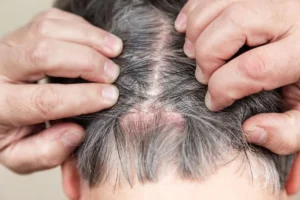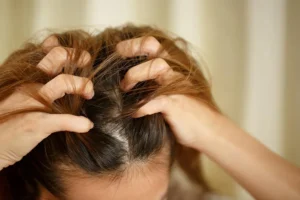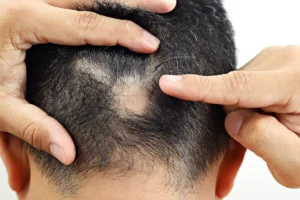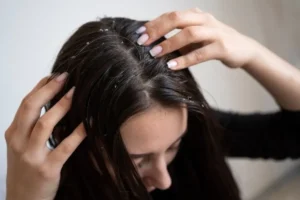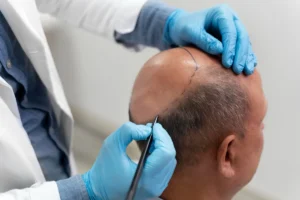
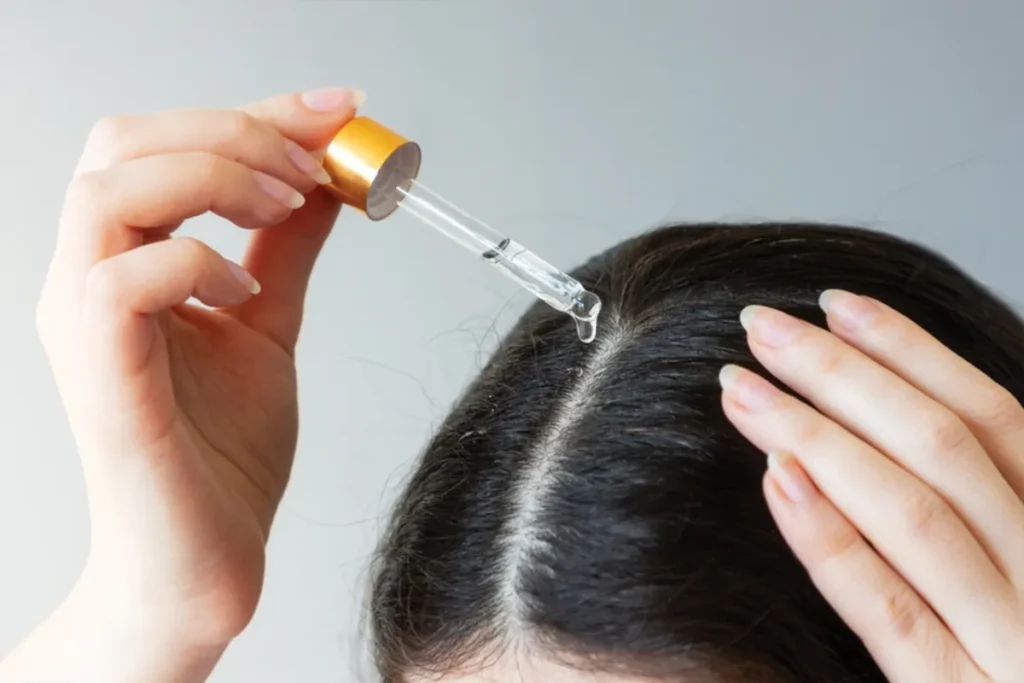
Achieving better hair begins with a healthy scalp. Recent studies show that scalp health affects hair growth, texture, and shine.
Discover how to get better hair using 5 powerful steps. Achieve incredible texture and strength with these easy and effective professional tips.
Good scalp health comes from proper care and nutrition. Eating foods like leafy greens, nuts, seeds, and omega-rich foods is key. These foods help your hair stay strong and shiny.
By focusing on scalp health and creating a hair care routine, you can improve your hair. Whether you face dryness, damage, or hair loss, the right care tips can help a lot.
Key Takeaways
Healthy hair starts with a healthy scalp.
Nutrition plays a big role in hair health.
A tailored hair care routine can transform hair health.
Understanding scalp health is key to addressing hair issues.
Proper care and nutrition can lead to strong, shiny hair.
Understanding the Science of Healthy Hair
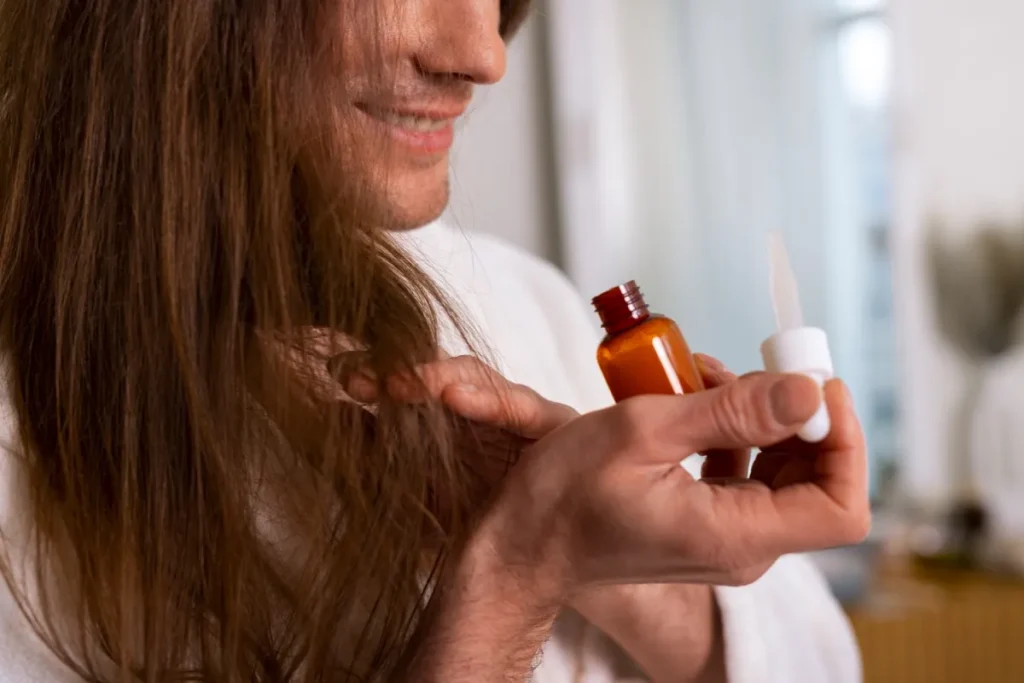
Healthy hair is more than just looks; it’s tied to the scalp’s health and its tiny living world. Studies show that scalp health affects hair growth, quality, and how long it lasts. To keep hair healthy, knowing the science behind it is key.
The Scalp-Hair Connection
The scalp is where healthy hair starts. A healthy scalp gives hair follicles the best chance to grow. The scalp-hair connection is vital because it decides hair’s health, strength, and growth.
Nourishment: The scalp feeds hair follicles.
Protection: A healthy scalp shields hair follicles from harm and sickness.
Growth Environment: The scalp’s state affects hair growth speed and strength.
The Importance of Scalp Microbiome
The scalp’s tiny living world is key to keeping the scalp’s barriers strong. Good microbes help create the best conditions for hair to grow. A balanced scalp microbiome is vital for stopping hair loss and scalp irritation. It offers many benefits, like:
Keeping off harmful germs.
Controlling inflammation.
Keeping the scalp’s natural barrier strong.
How pH Levels Affect Hair Health
The scalp’s pH level is another important factor for hair health. An off-balance pH can cause irritation, damage, and hair loss. Keeping the scalp’s pH in check is essential for keeping hair follicles healthy. Here are some tips:
Use pH-balanced shampoos.
Stay away from harsh chemicals.
Check scalp health often.
By understanding and tackling these factors, people can make big strides in getting healthier, stronger hair. A full plan that includes good scalp care, a balanced microbiome, and the right pH levels can make hair look better and feel more vibrant.
How to Get Better Hair Through Daily Care Practices
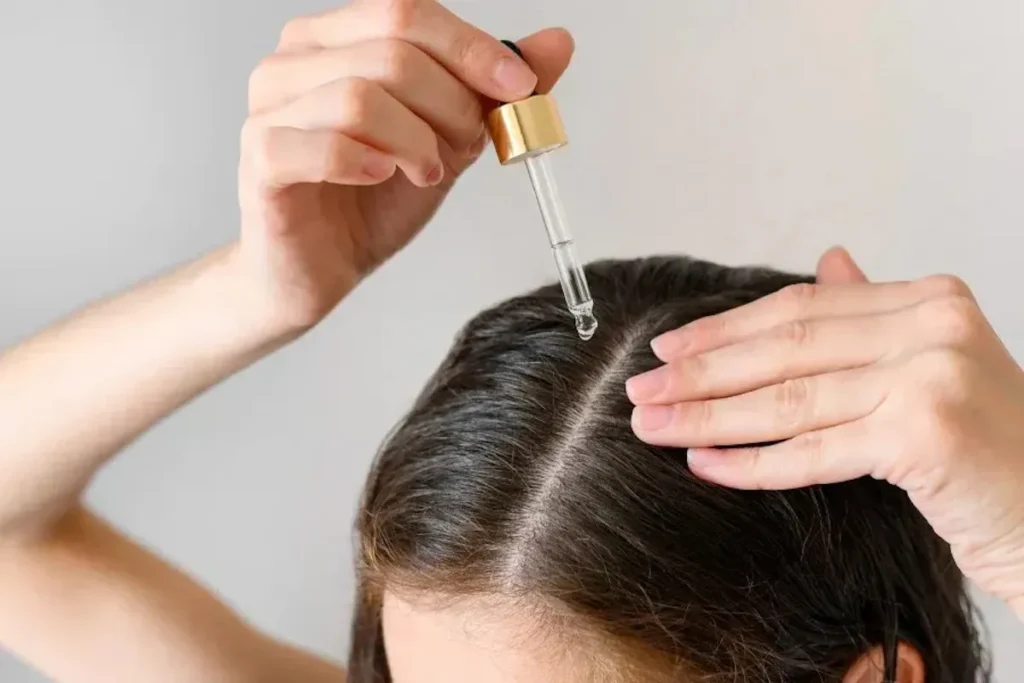
To get better hair, focus on daily care practices. These practices promote hair health. By using the right techniques and being consistent, you can get the hair you’ve always wanted.
Proper Shampooing Techniques
Shampooing is a key step in hair care. Apply shampoo directly to the scalp, not the whole hair. This removes dirt and oil without losing natural oils.
Tip: Massage your scalp gently while shampooing. This boosts blood flow and helps hair grow.
Conditioning and Moisturizing Methods
Conditioning is vital after shampooing. It locks in moisture and reduces tangles. Apply conditioner from mid-length to the ends, avoiding the scalp to prevent oil buildup.
Moisturizing is also important, for dry or damaged hair. Use a leave-in conditioner or hair mask once a week. This keeps your hair hydrated and strong.
Reducing Inflammation and Oxidative Stress
Inflammation and oxidative stress harm hair health. They can cause hair loss and dandruff. Use gentle, sulfate-free shampoos and conditioners to reduce these risks.
Also, add antioxidant-rich hair products to fight oxidative stress. Look for products with vitamin E and green tea extract.
Nutrition and Lifestyle for Optimal Hair Health
Getting healthy hair is more than just using the right products. It’s about eating well and living healthy. Eating foods full of proteins, vitamins, and minerals helps your hair grow strong.
Drinking plenty of water is key too. It keeps your hair moist from the inside. Add foods like fruits, veggies, whole grains, and lean meats to your diet. These foods are packed with nutrients that help your hair.
Combining a good diet with a healthy lifestyle is the best way to get great hair. You’ll feel more confident with healthy hair. Remember, it’s not just about hair products. It’s about feeding your hair from the inside.
Follow these tips to make your hair healthier and keep it looking great. With the right food and lifestyle, you can say goodbye to hair problems. Hello to a lifetime of beautiful, healthy hair.
FAQ
How can I maintain a healthy scalp?
Maintaining a healthy scalp involves regular gentle cleansing, proper hydration, avoiding harsh chemicals, protecting from sun and environmental stress, and massaging to improve circulation. Keeping the scalp free of buildup and irritation supports stronger, healthier hair growth.
What are some tips for achieving healthy hair?
Healthy hair comes from nourishing it with a balanced diet, limiting heat and chemical damage, trimming regularly, using appropriate products for your hair type, and protecting it from environmental stressors. Consistency is key.
How does the scalp microbiome affect hair health?
The scalp microbiome—the community of bacteria and fungi on your scalp—helps regulate oil balance, prevent inflammation, and support follicle health. Disruption of this balance can lead to itchiness, dandruff, or weakened hair.
What is the ideal pH level for hair care products?
Hair care products work best at a slightly acidic pH of around 4.5–5.5, which helps maintain the cuticle’s integrity, prevents frizz, and protects the scalp’s natural barrier.
How can I reduce inflammation and oxidative stress on my scalp?
Reducing inflammation involves using anti-inflammatory ingredients like niacinamide or aloe vera, avoiding harsh treatments, managing stress, eating antioxidant-rich foods, and protecting the scalp from UV exposure.
What role does nutrition play in achieving healthy hair?
Nutrition provides essential building blocks like protein, vitamins, minerals, and healthy fats that support hair follicle function, growth cycles, and overall hair strength. Deficiencies can cause thinning or breakage.
How can I make my hair care routine more personalized?
Personalize your routine by considering hair type, scalp condition, styling habits, environmental factors, and any underlying health concerns, then select products and practices that specifically address those needs.
What are some daily tips for maintaining healthy hair?
Daily tips include gentle brushing, protecting hair from heat and sun, keeping it hydrated, avoiding tight hairstyles, using appropriate cleansing and conditioning, and eating a balanced diet to maintain long-term hair and scalp health.
References
National Center for Biotechnology Information. Evidence-Based Medical Insight. Retrieved from https://pmc.ncbi.nlm.nih.gov/articles/PMC6369642/[3