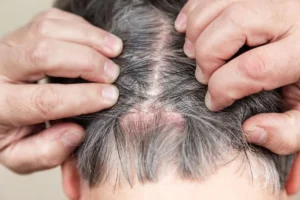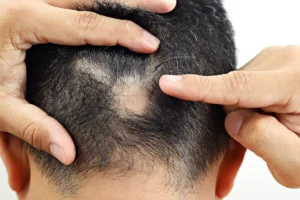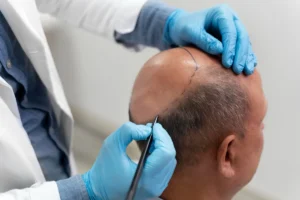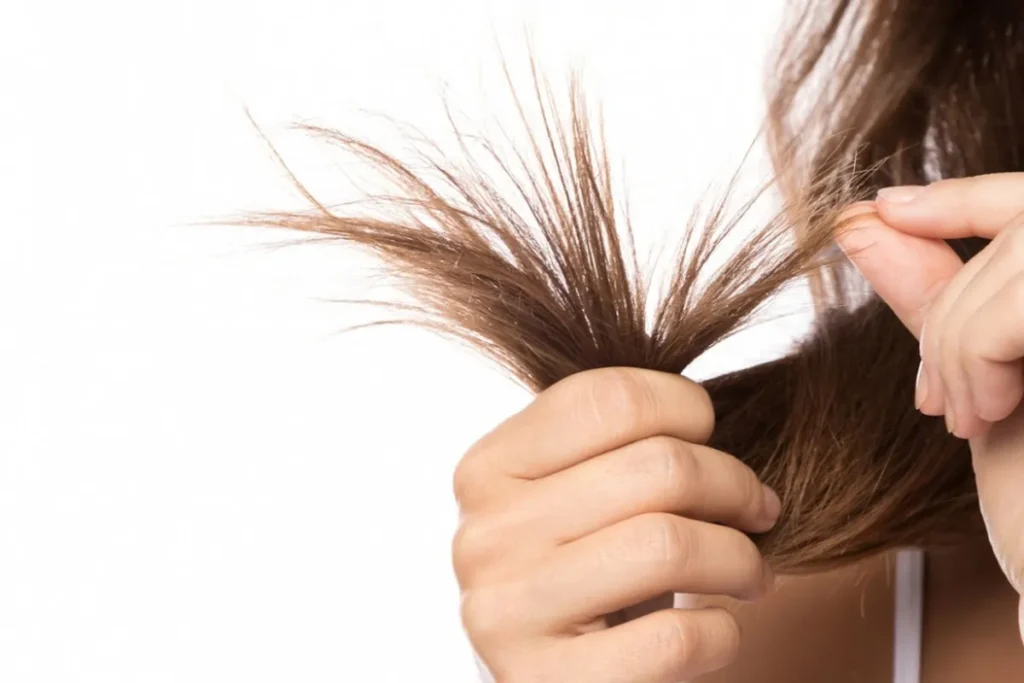
Millions of people worldwide face the problem of damaged hair. This issue affects not just how they look but also their self-confidence. Recent studies show that 8.73% of people worry about hair damage from bleaching and chemical treatments.
The signs of hair damage are clear: split ends, tangles, dullness, frizz, hair loss, and breakage. Fixing damaged hair can seem tough, but the right methods and products can help. They can make your hair healthy and full of life again.
Getting back to having healthy, beautiful hair is easier than ever. Today, there are scientifically proven methods to make your hair look great again. With help from trusted healthcare experts, you can say goodbye to damaged hair. And hello to a vibrant, luscious mane.
Key Takeaways
Restore your hair’s health with scientifically proven methods.
Discover modern treatments and therapies for damaged hair.
Learn how to revive and restore your hair’s vitality.
Understand the importance of professional guidance in hair restoration.
Achieve a vibrant, luscious mane with the right techniques and products.
Understanding Hair Damage and Its Prevalence
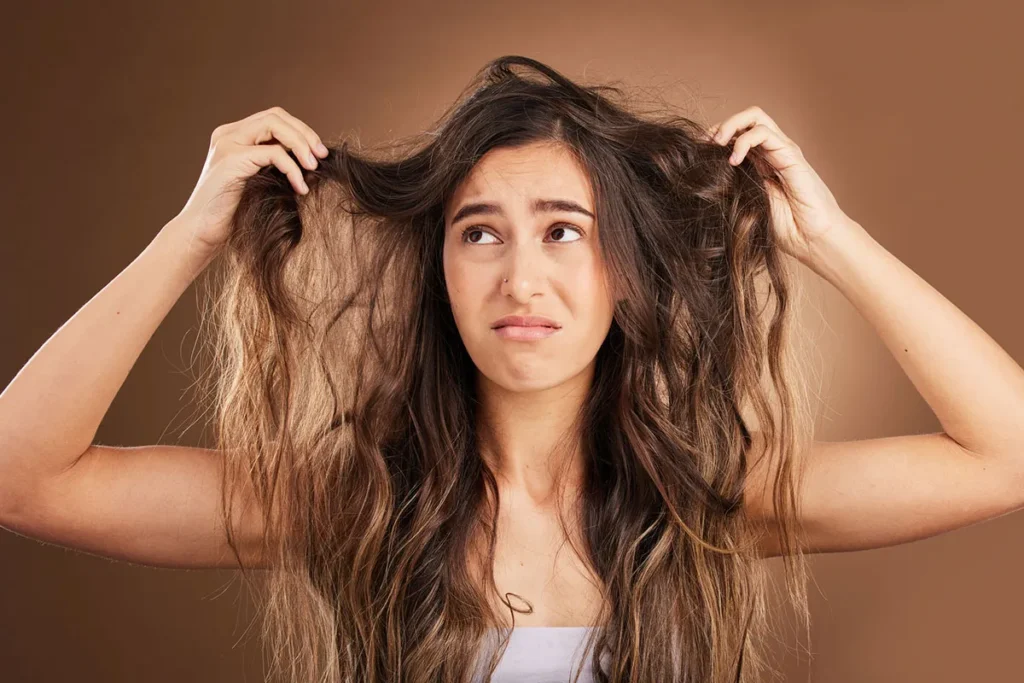
Hair damage is a big issue today. It’s caused by how we style our hair and what’s in the environment. To feel good about your hair again, you need to know why it gets damaged.
Common Causes of Hair Damage
Many things can harm your hair. Using hot tools too much, getting chemical treatments, and facing environmental stress are some of them. Heat styling tools dry out your hair, making it brittle and prone to breakage. Chemical treatments, like hair dye and bleach, also weaken your hair, making it more likely to split.
Environmental factors like UV rays and pollution can make hair damage worse. Bad diet and not taking good care of your hair also hurt your hair’s health.
The Growing Concern: Statistics and Trends
More people are worried about hair damage, leading to a bigger need for treatments. The global hair restoration market was worth USD 52.37 billion in 2022. It’s expected to hit USD 88.18 billion by 2030. This shows how much people care about fixing damaged hair and want good solutions.
Knowing these numbers and trends helps us make better hair care plans. By understanding why hair gets damaged, we can start fixing it. This way, we can get the hair we’ve always wanted.
How to Help Damaged Hair: 7 Effective Restoration Methods
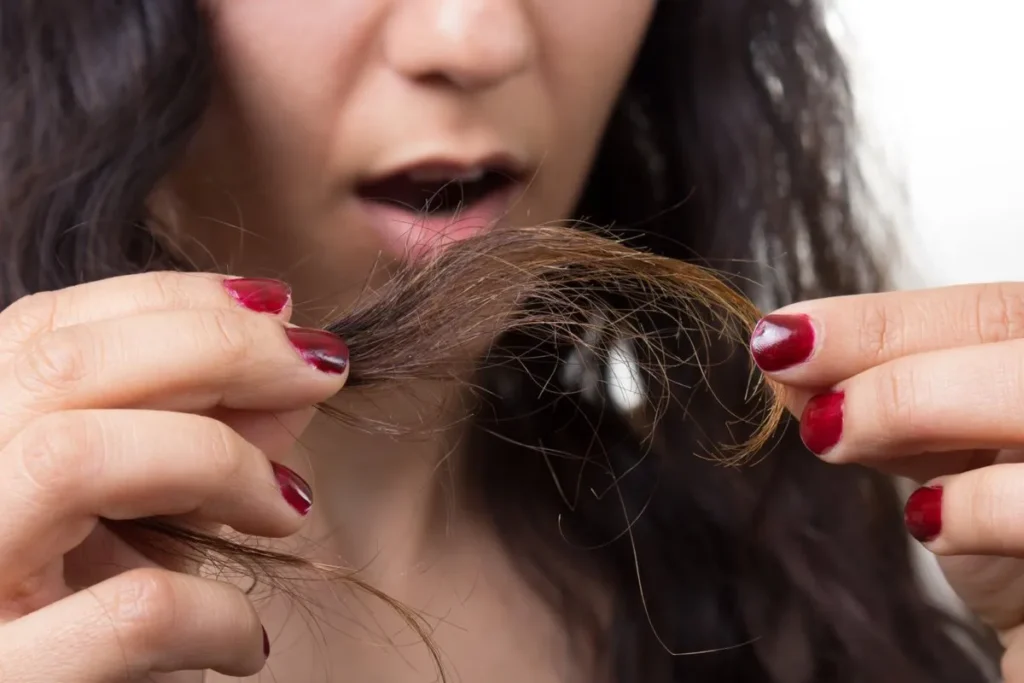
To fix damaged hair, you need a multi-faceted hair care plan. It’s tough to repair damaged hair, but the right methods and treatments can help. You can make your hair healthy and full of life again.
Modern research shows that new hair care methods are very promising. For example, stem cell therapy is becoming more popular in hair loss treatments. It’s expected to be used in 30% of treatments by 2025. This shows that advanced techniques can help with damaged hair too.
1. Deep Conditioning Treatments
Deep conditioning is key to fixing damaged hair. Use a deep conditioning mask once or twice a week. It nourishes and moisturizes your hair. Look for products with argan oil, coconut oil, or shea butter for the best results.
2. Protein Treatments for Hair Strength
Protein treatments are vital for strengthening damaged hair. They help rebuild your hair’s structure. Use a mask or treatment with keratin or collagen to strengthen your hair.
3. Hydration and Moisturizing Techniques
Keeping your hair hydrated is essential. Use glycerin-based shampoos and conditioners to lock in moisture. Also, use a leave-in conditioner or hair serum for ongoing hydration and protection.
4. Heat Protection Strategies
Heat styling can damage your hair. Use a heat protectant spray before styling with heat tools. It creates a barrier that protects your hair from high temperatures.
Washing your hair twice or thrice a week keeps it clean. It removes dead skin cells, dirt, and excess oil. This simple habit helps your hair stay healthy.
Key Takeaways:
Use deep conditioning treatments regularly.
Incorporate protein treatments to strengthen hair.
Maintain hydration with appropriate shampoos and conditioners.
Protect your hair from heat damage.
By adding these methods to your hair care routine, you can start fixing your damaged hair. Get back your confidence with healthy, vibrant hair by using these effective restoration methods.
Conclusion: Building a Sustainable Hair Care Routine
Fixing damaged hair takes time, effort, and the right steps. Knowing why hair gets damaged and how to fix it helps. This way, you can feel good about your hair again.
Using simple hair care steps like scalp massages and the right products can fix hair. It’s also key to keep your hair moist and protect it from heat. This helps your hair stay healthy and strong.
For quick fixes, try deep conditioning and protein treatments. These can make your hair look great fast. With these steps, you can get the hair you’ve always wanted.
Creating a lasting hair care plan is important for keeping your hair healthy. The right mix of techniques and products leads to beautiful hair for life. With the right approach, your hair can regain its natural beauty and confidence.
FAQ
How can I fix fried hair?
You can improve the appearance of fried hair by using bond-building treatments and protein masks to temporarily reinforce the hair’s internal structure. It is essential to eliminate heat styling and use sulfate-free products to prevent further moisture loss while gradually trimming away the damaged ends.
What are the best ways to revive damaged hair?
Reviving damaged hair requires a consistent balance of deep conditioning treatments and leave-in oils to seal the porous hair cuticle. Minimizing mechanical stress by using a microfiber towel and sleeping on a silk pillowcase will protect weakened strands from additional breakage.
How can I get my damaged hair healthy again?
Focus on a routine of regular micro-trims to remove split ends and use pH-balanced products to help the hair cuticle lay flat and retain shine. Internal support through a nutrient-rich diet and hydration will ensure that the new hair growing from your follicles is as strong as possible.
What can I do to restore dead hair?
While hair is non-living tissue, you can restore its feel and manageability by using products containing ceramides and hydrolyzed keratin to fill in gaps along the hair shaft. These ingredients mimic natural proteins to create a smoother, healthier-looking surface until the damaged sections can be replaced by new growth.
How can I revitalize my hair?
Revitalize your hair by incorporating “pre-poo” oil treatments to protect strands during washing and using acidic bonding concentrates to rebalance the hair’s pH. These steps help close the cuticle scales, making the hair feel significantly softer and more resilient to environmental damage.
How do I reverse damaged hair?
True biological reversal of damage is not possible, but you can “reset” the appearance by using professional-grade bond-repairing serums that reconnect broken disulfide bonds. Consistently avoiding chemical treatments like bleaching or perming will allow the hair to recover its natural elasticity over time.
What is the best way to repair really damaged hair?
The best way to repair severely damaged hair is to use intensive protein reconstructors to fix “gummy” textures and prevent further disintegration. If treatments do not show improvement within a few weeks, a significant haircut is often the most effective way to start fresh with healthy growth.
How can I heal damaged hair?
Healing damaged hair involves a strict regimen of moisture-rich cleansers and avoiding all high-heat styling tools to allow the hair’s natural oils to accumulate. Consistent protection from UV rays and friction will maintain the integrity of the strands until the damaged portions are eventually grown out.
What should I do with dead hair?
If hair is excessively “fried” and no longer holds moisture, the most practical solution is to trim the split ends to prevent them from traveling further up the hair shaft. Removing the dead weight makes styling easier and prevents the damaged sections from tangling and breaking your healthy hair.
How can I make damaged hair healthy again?
Transition back to healthy hair by adopting a “low-intervention” approach that avoids harsh chemicals and focuses on deep hydration. Using cool water for rinsing and applying a heat-protectant serum daily will help shield the hair from the stressors that caused the damage initially.
References
National Center for Biotechnology Information. Evidence-Based Medical Insight. Retrieved from https://pmc.ncbi.nlm.nih.gov/articles/PMC7276157/