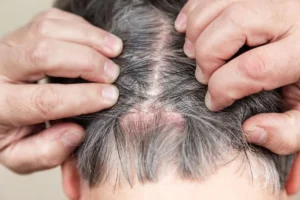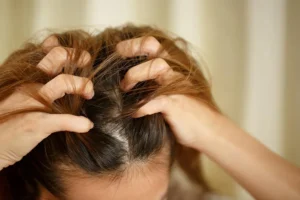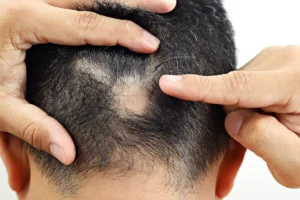
Do you have pimple like bumps on scalp that hurt? Find amazing relief wins with these powerful treatments for painful scalp sores today.
Scalp sores, painful bumps, and recurring lesions are common. They affect people of all ages. If you’re dealing with painful bumps or recurring sores and can’t find relief at home, you’re not alone. These issues can really upset you, affecting your daily life and happiness.
Scalp sores or scabs usually heal on their own. But sometimes, they can signal bigger problems like psoriasis, contact dermatitis, or head lice. It’s important to know what’s causing them and find the right treatment to get your scalp back to health.
Key Takeaways
Scalp sores can be caused by various underlying conditions.
Understanding the cause is key to effective treatment.
There are treatments available to help regain scalp health.
Painful bumps and recurring lesions can be managed with the right care.
Scalp issues can cause a lot of emotional distress.
Understanding Scalp Sores and Their Causes
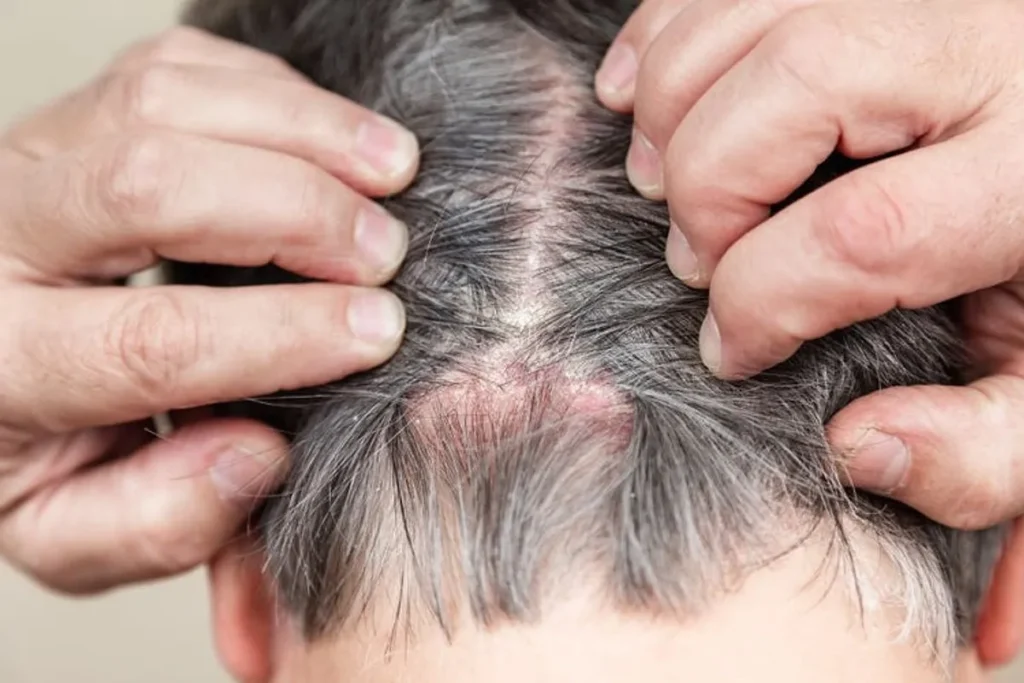
Scalp sores can be painful or itchy. They need to be looked into to find their cause and the right treatment. These sores can look like red bumps or crusty patches. They might also cause itching, pain, or even hair loss.
Common Types of Scalp Sores
Scalp sores come in different types. Each type looks different and has its own cause. Common types include:
Red, inflamed bumps or pustules, often associated with folliculitis.
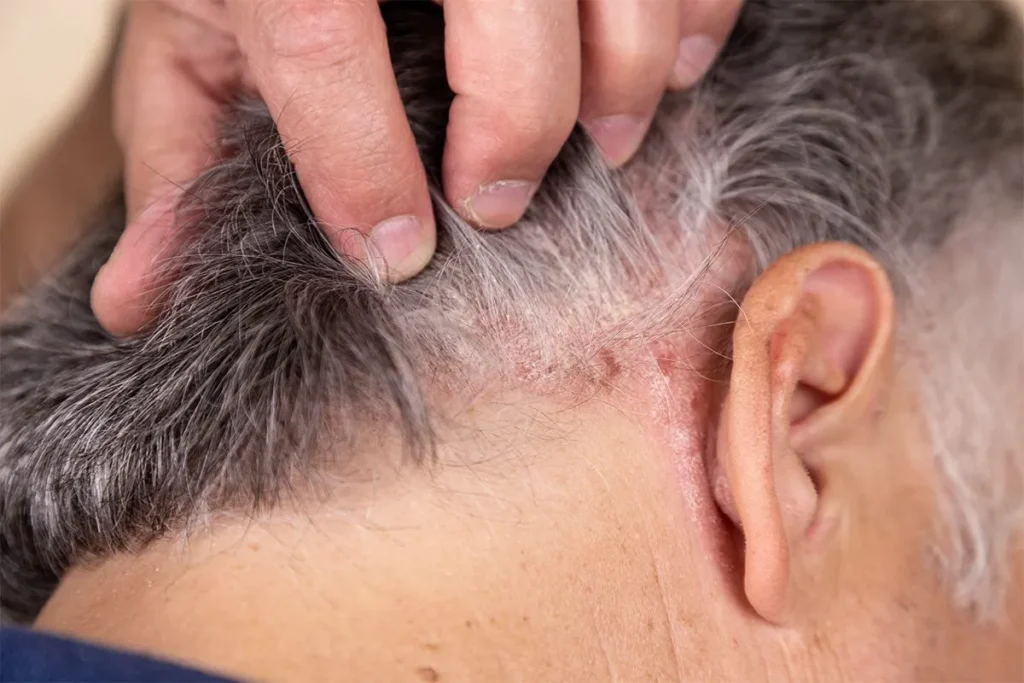
Crusty, scaly patches, which can be a sign of psoriasis or dermatitis.
Itchy, raised lesions that might indicate a fungal infection or infestation by parasites like head lice.
Knowing the type of sore is key to finding the right treatment.
Underlying Causes of Scalp Irritation
Scalp sores can be caused by many things. These include inflammatory conditions, infections, and infestations. Key causes include:
Psoriasis: A chronic condition that makes skin cells grow fast, leading to dry, discolored, and scaly patches.
Contact Dermatitis: An eczema-like reaction to irritants or allergens, resulting in dry, scaly, and sometimes blistered skin.
Folliculitis: Inflammation of the hair follicles, often due to infection, which can cause red bumps or pustules.
Ringworm and other fungal infections that can lead to itchy, circular patches.
Head Lice and other parasites that cause intense itching.
Finding the cause is important for the right treatment. This can be home remedies, over-the-counter meds, or seeing a doctor.
Identifying Pimple-Like Bumps on Scalp That Hurt
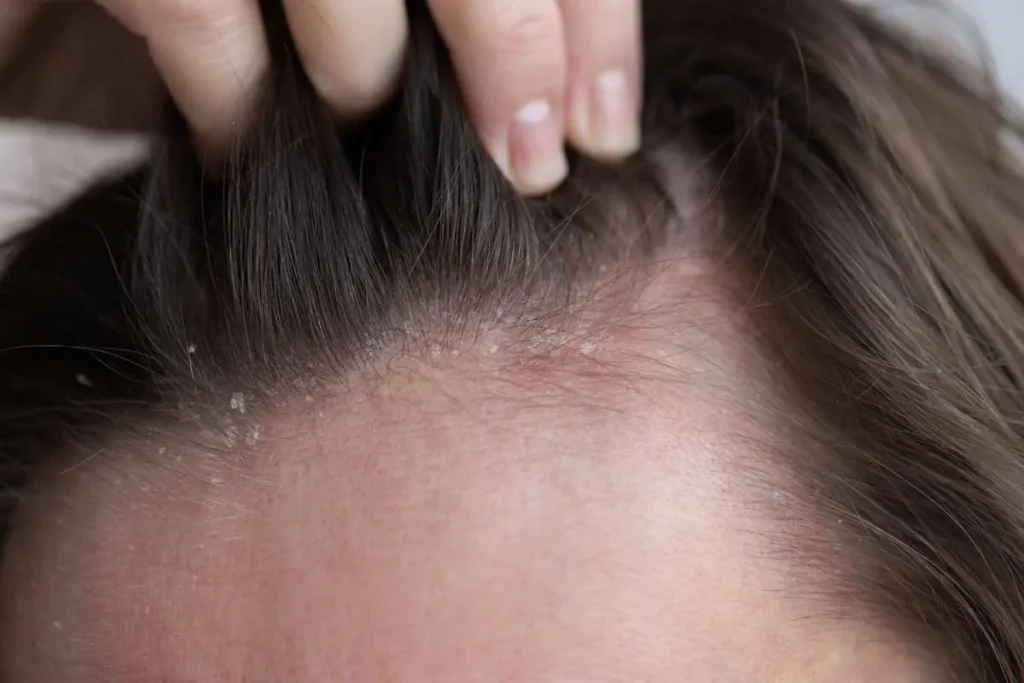
It’s important to find out why your scalp has painful bumps. These bumps might look like pimples, blisters, or lesions under your hair. They can be uncomfortable and worry you.
Folliculitis: Infected Hair Follicles
Folliculitis is an inflammation of hair follicles. It’s usually caused by bacteria or fungi. This can make your scalp look like acne or have crusty sores, which hurt and itch.
Symptoms of Folliculitis:
Red, swollen bumps or pustules around hair follicles
Itchy or painful sensations on the scalp
Crusty sores or scabs in severe cases
Psoriasis and Dermatitis Symptoms
Psoriasis and dermatitis can make your scalp red, itchy, and sore. Psoriasis can cause thick, crusted scales that itch or hurt.
Common Symptoms:
Fungal Infections and Parasites
Fungal infections like ringworm of the scalp (tinea capitis) and parasites like lice can irritate your scalp. They can cause sores, itching, and discomfort.
It’s important to recognize these signs to get the right treatment.
If you have persistent or severe scalp sores, see a healthcare professional. They can diagnose and create a treatment plan for you.
Effective Treatment Options for Scalp Sores
There are many ways to treat scalp sores, from home remedies to prescription treatments. The key is to know the cause and choose the right treatment.
Home Remedies for Immediate Relief
For mild scalp sores, home remedies can help right away. A warm compress can reduce swelling and aid in healing. Also, using gentle shampoos and keeping the scalp clean is important.
Some effective home remedies include:
Tea tree oil for its antifungal and antibacterial properties
Coconut oil to moisturize and soothe the scalp
Apple cider vinegar to balance the scalp’s pH
Medicated Shampoos and Topical Treatments
For persistent sores, medicated shampoos and topical treatments work well. These products have ingredients like ketoconazole, zinc pyrithione, or salicylic acid. They help with flaking, inflammation, and infection.
Prescription Treatments for Severe Cases
For severe cases, prescription treatments are needed. These include stronger topical corticosteroids, oral antifungals, or antibiotics. The choice depends on the cause of the sores.
It’s essential to consult a dermatologist to determine the best course of treatment for severe or persistent scalp sores.
Managing Pain and Discomfort
Managing pain and discomfort is key when treating scalp sores. Over-the-counter pain relievers can help. Also, avoid irritants and use gentle hair care products to prevent further irritation.
Understanding the cause of scalp sores and exploring treatment options can help find relief. Whether through home remedies, medicated shampoos, or prescription treatments, a healthy scalp is achievable.
Conclusion: Prevention and Long-Term Scalp Health
Keeping your scalp healthy is key to avoiding scalp wounds and painful spots. Knowing what causes head sores and using the right prevention methods can greatly improve scalp health.
Good hygiene and avoiding irritants are essential for preventing scalp sores. Use gentle shampoos and avoid harsh chemicals. Stress management is also important, as stress can make conditions like psoriasis worse, leading to painful bumps.
By being proactive, you can lower the risk of scalp irritation and keep your scalp healthy for the long term. Be careful with hair care products, avoid too much heat styling, and protect your scalp from the sun. Simple steps can help you feel confident about your scalp health.
FAQ
Are scalp sores contagious?
Some are contagious (like fungal infections such as ringworm). Most inflammatory or autoimmune scalp conditions are not contagious.
What are the best home remedies for treating scalp sores?
Warm compresses, diluted tea tree oil, aloe vera gel, gentle medicated shampoos (like ketoconazole), and avoiding harsh hair products can help mild cases. Severe or persistent sores need medical treatment.
Can stress cause scalp sores?
Yes. Stress can weaken the immune system and trigger flare-ups of conditions like psoriasis, seborrheic dermatitis, and even worsen folliculitis.
How can I prevent future scalp sores?
Maintain scalp hygiene, avoid tight hairstyles, reduce stress, use mild shampoos, avoid scratching, and treat underlying skin conditions early.
What are the treatment options for painful bumps on the scalp?
Treatments may include topical or oral antibiotics, antifungal medications, corticosteroids, medicated shampoos, and anti-inflammatory drugs depending on the cause.
Can I treat scalp sores with over-the-counter medications?
Yes, mild cases may respond to OTC antifungal shampoos, antibacterial washes, hydrocortisone creams, or medicated dandruff shampoos. Persistent sores require medical evaluation.
How long does it take to heal scalp sores?
Mild sores may heal within a few days to two weeks. Chronic or autoimmune-related sores may take longer and require ongoing treatment.
Can I have a hair transplant if I have scalp sores?
Hair transplantation is not recommended during active infection or inflammation. The scalp must be completely healed and stable before considering surgery to avoid complications.
References
National Center for Biotechnology Information. Evidence-Based Medical Insight. Retrieved from https://pmc.ncbi.nlm.nih.gov/articles/PMC9365318/