Dealing with redness and flakiness on your face can be really tough. It’s a common problem that affects millions of people. It can come from things like the environment and certain skin conditions.
Get amazing relief for red flaky skin on face. Discover powerful secrets to heal scary flaking and achieve incredible, glowing skin today.
Knowing what makes your face red is the first step to better skin. Issues like seborrheic dermatitis, rosacea, psoriasis, eczema, and contact dermatitis can cause this problem.
Once you figure out the cause, you can start treating it. This way, you can get your skin back to its natural glow.
Key Takeaways
Red flaky skin can be caused by various underlying conditions.
Understanding the cause is key to finding the right treatment.
Environmental factors can contribute to facial redness.
Several skin conditions, including rosacea and eczema, can cause red flaky skin.
Identifying the root cause is key to restoring healthy skin.
Understanding the Causes of Red Flaky Skin on Face
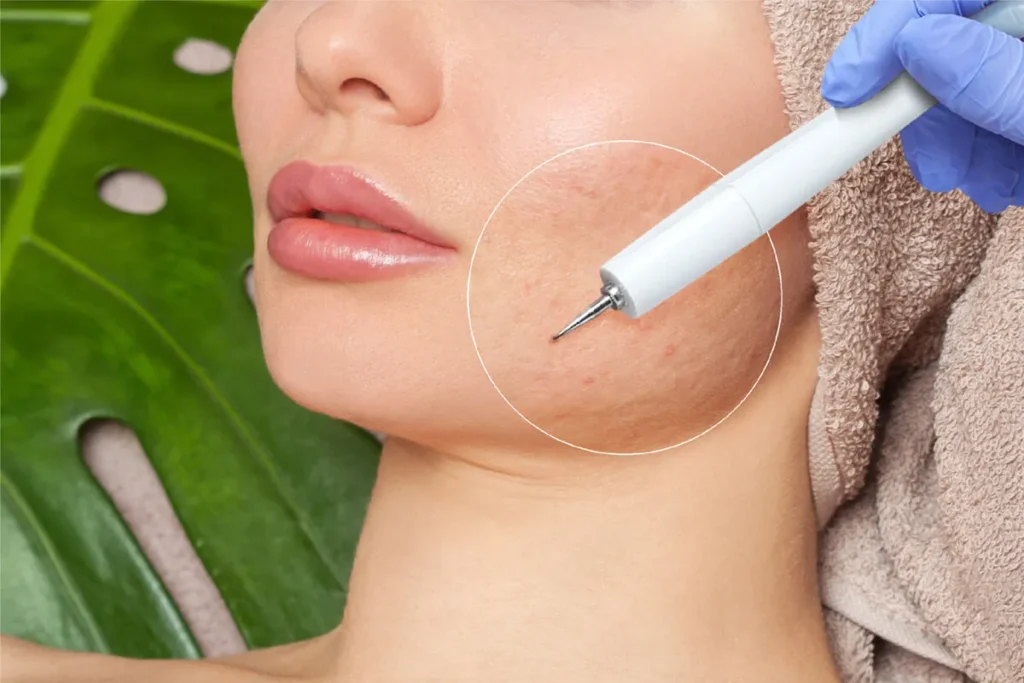
Red flaky skin on the face can be upsetting. Knowing why it happens is key to fixing it. Our face skin is sensitive and can react to many things, causing redness and flakiness.
Seborrheic Dermatitis and Malassezia Yeast
Seborrheic dermatitis makes skin itchy and scaly, mainly on oily areas. It’s often caused by too much Malassezia yeast. This yeast loves oily skin, causing inflammation. To treat it, we need to stop the yeast and keep our skin clean.
Rosacea and Its Progressive Symptoms
Rosacea makes your face stay red and shows blood vessels. It mostly hits people over 30 and can get worse if not treated. We don’t know what causes it, but things like sun, stress, and some foods can trigger it. To fight it, we avoid these triggers and use medicines.
Other Common Conditions: Psoriasis, Eczema, and Contact Dermatitis
Psoriasis, eczema, and contact dermatitis also cause red flaky skin. Psoriasis makes skin cells grow too fast, causing thick scales. Eczema makes skin itchy and inflamed, often from allergies. Contact dermatitis happens when skin reacts to something it shouldn’t, causing redness. Knowing about these helps us find the right treatment.
Environmental Triggers and Skin Barrier Damage
Things like cold weather, dry air, harsh products, and too much sun can hurt our skin. This can make it dry and red. To keep our skin healthy, we should protect it from these things and use gentle products.
In short, red flaky skin on the face comes from many causes and environmental factors. Finding out what’s causing it is the first step to treating it right.
7 Proven Treatments for Red Flaky Skin
Dealing with red flaky skin needs a mix of gentle care and specific treatments. Knowing what causes it and using the right methods can help. This way, you can get rid of the redness and flakiness, and your skin can glow again.
1. Gentle, pH-Balanced Cleansers
Choosing a gentle, pH-balanced cleanser is key. Harsh cleansers can take away your skin’s natural oils, making it worse. Look for ones that are fragrance-free and made for sensitive skin.
2. Hydrating Moisturizers with Ceramides
Moisturizers with ceramides are great for fixing your skin’s barrier. Ceramides are important lipids that help keep your skin moist. Using a ceramide-rich moisturizer after washing helps keep moisture in.
3. Anti-Inflammatory Topical Treatments
Topical treatments that fight inflammation can really help. Ingredients like aloe vera, green tea, and niacinamide can calm your skin. They reduce redness and inflammation.
4. Prescription Medications for Specific Conditions
If you have conditions like rosacea, eczema, or psoriasis, you might need prescription meds. Talking to a dermatologist can help find the right treatment for you.
Adding these treatments to your daily skincare can help manage red flaky skin. You can achieve healthier, more radiant skin.
Preventing and Managing Recurring Facial Redness
To stop facial redness from coming back, you need a plan. This plan should include changes to your skincare and your lifestyle. Knowing why it happens and taking the right steps can really help.
Daily Skincare Routine Adjustments
Changing your daily skincare is key to handling facial redness. Use gentle, pH-balanced cleansers and hydrating moisturizers. These help keep your skin’s barrier strong and cut down on irritation.
Adding products with ceramides is good because they fix the skin’s barrier. Stay away from harsh products with alcohol or fragrances. They can make redness worse.
Environmental Protection Strategies
Protecting your skin from the environment is also very important. Things like extreme weather, wind, and sun can make redness worse.
Wear a broad-spectrum sunscreen with at least SPF 30 every day. Even on cloudy days, UV damage can happen. Also, wear protective clothes and stay in the shade when outside.
Identifying and Avoiding Personal Triggers
Finding out what makes your skin red is important. Things like certain foods, stress, and harsh skincare can be triggers.
Keep a symptom diary to track when redness happens. This helps find what’s causing it. Once you know, you can avoid it and reduce redness.
Common triggers: spicy foods, hot beverages, stress
Skincare products: those containing alcohol, fragrances
When to Seek Professional Help
If redness keeps coming back or gets worse, see a dermatologist. They can figure out what’s going on and suggest treatments.
They might recommend prescription medications or laser therapy for things like rosacea. Getting help from a pro is very important for managing redness.
Conclusion
Understanding why your face turns red is key to feeling better. Many things can cause red, flaky skin, like seborrheic dermatitis or eczema. Finding the right treatment can help your skin look healthy and bright again.
Try the 7 effective treatments mentioned in this article to tackle red skin. If your face stays red, seeing a dermatologist is a good idea. They can check for conditions like rosacea or other skin problems.
Take care of your skin with a gentle routine and protect it from harsh things outside. Also, stay away from things that make your face red. If your red face isn’t rosacea, getting a proper diagnosis is important. This way, you can find the best treatment for you.
FAQ
Why is my face red and flaky?
Red, flaky skin is often caused by dryness, irritation, eczema, rosacea, or sun damage.
How can I reduce redness on my face?
Use gentle skincare, moisturizers, sunscreen, and avoid hot water or harsh products.
What causes red patches on my face and neck?
Red patches may be due to allergic reactions, eczema, rosacea, irritation, or sun exposure.
Why is my skin red on my face?
Redness can result from inflammation, broken capillaries, irritation, or underlying skin conditions.
How can I prevent my face from turning red?
Avoid triggers like harsh products, hot water, sun, spicy foods, and manage stress.
What is the best treatment for red face?
Calming moisturizers, gentle cleansers, sunscreen, and prescription creams for conditions like rosacea.
How do I calm down a red face?
Apply cool compresses, gentle moisturizers, and avoid heat, friction, or harsh skincare.
Why is my chin red?
Chin redness can be caused by acne, irritation, hormonal changes, or contact with irritants.
How can I remove redness from my face?
Use soothing products like aloe vera, moisturizers, sunscreen, and avoid irritants; consult a dermatologist if persistent.
References
National Center for Biotechnology Information. Evidence-Based Medical Insight. Retrieved from https://pmc.ncbi.nlm.nih.gov/articles/PMC9365318/