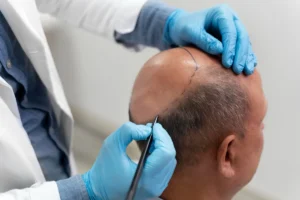
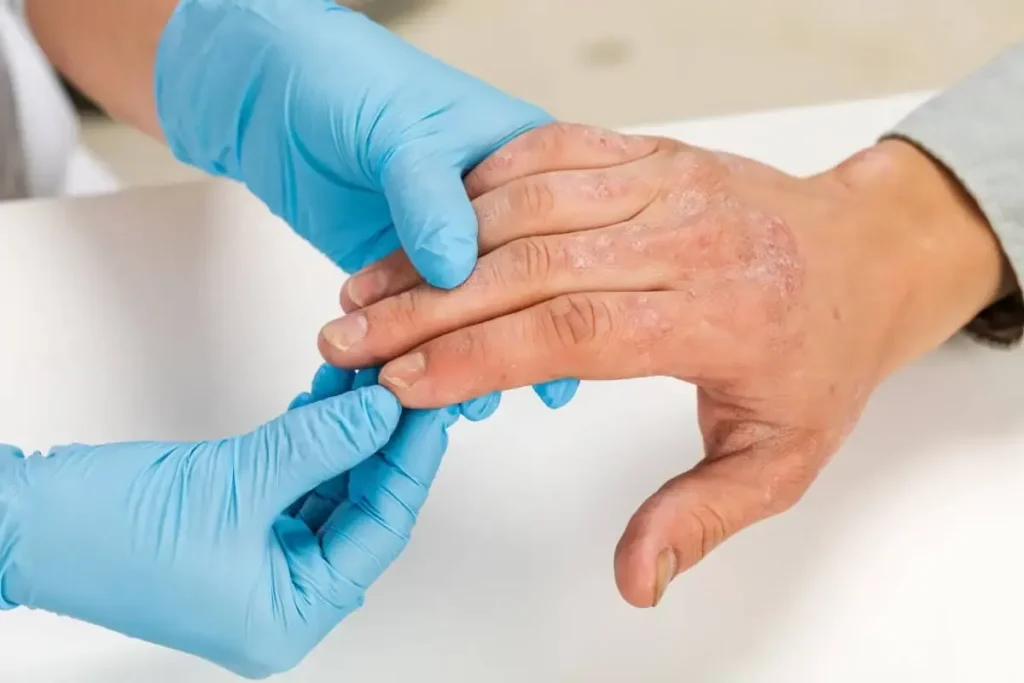
Scalp eczema is a chronic condition that affects millions. It causes itching, inflammation, and scaling.
This condition can really affect your life and how you feel about yourself. It’s important to know the differences between atopic dermatitis and seborrheic dermatitis.
New discoveries in skin science have brought effective treatments. These include nonsteroidal therapies that have just been approved.
Key Takeaways
Understanding the types of scalp eczema is key to treating it well.
Atopic dermatitis and seborrheic dermatitis are common types of scalp eczema.
New treatments, including nonsteroidal therapies, offer relief for those with scalp eczema.
A complete treatment plan is needed to manage scalp eczema.
Staying away from triggers and taking care of your scalp daily is important.
Understanding Scalp Eczema Types and Causes
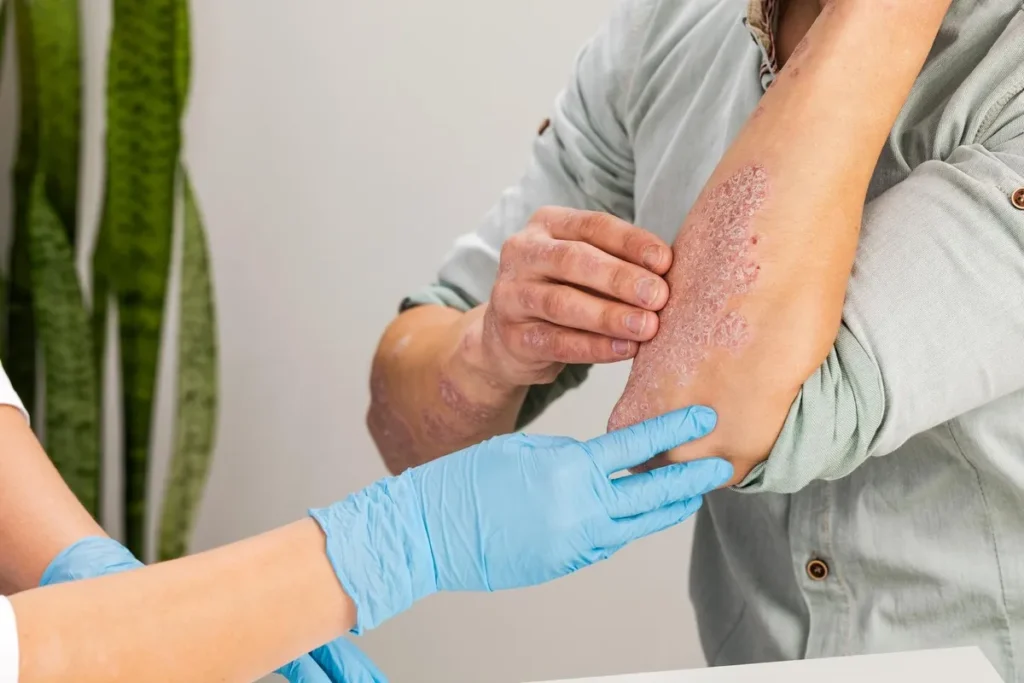
Eczema on the scalp comes in different forms, like atopic dermatitis and seborrheic dermatitis. These are caused by many factors. Knowing about these conditions helps in managing and treating them well.
Atopic Dermatitis of the Scalp
Atopic dermatitis, or atopic eczema, is a long-lasting skin issue. It makes the skin dry and itchy. On the scalp, it leads to redness, irritation, and flaky skin.
It often runs in families or is linked to allergies or asthma.
Seborrheic Dermatitis
Seborrheic dermatitis affects about five percent of people. It causes scaly patches, red skin, and stubborn dandruff. The exact cause is not known, but it’s thought to be a mix of genetics, environment, and hormones.
Common Triggers and Risk Factors
Both atopic and seborrheic dermatitis can be set off by things like stress, hormonal changes, and allergic reactions. Finding and handling these triggers is important to control symptoms and stop flare-ups.
Other risk factors include a family history of eczema or allergies, having asthma, and being prone to skin issues. By knowing these triggers and risks, people can take steps to manage their scalp eczema better.
Recognizing Symptoms and Diagnosis
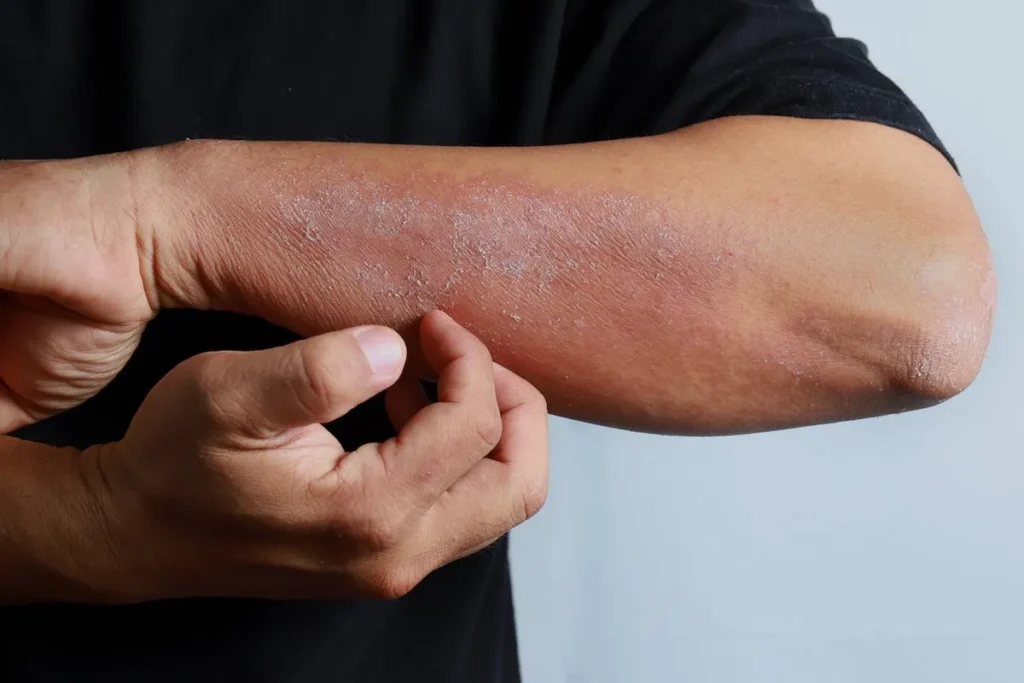
It’s important to know the symptoms of scalp eczema to get the right help. Scalp eczema, also known as dermatitis, shows different signs. These signs can really affect your life.
Characteristic Signs and Symptoms
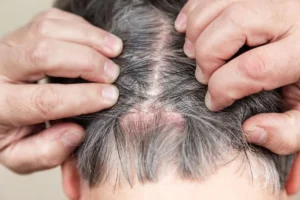
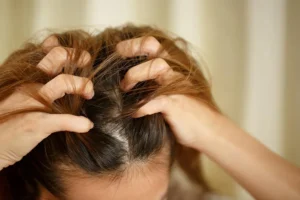
Scalp eczema can cause itching, flaking, redness, and irritation. It might also cause crusting or oozing. The severity of these symptoms can change and might be linked to other skin issues.
Itching and Irritation: Intense itching is a common problem. It can make daily tasks hard.
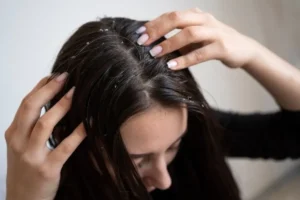
Flaking and Scaling: You might see flakes or scales on your scalp. This can look like dandruff but is often worse.
Redness and Inflammation: A red, inflamed scalp means you’re having a flare-up.
Differentiating from Other Scalp Conditions
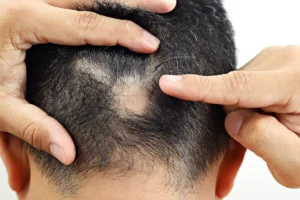
Telling scalp eczema apart from other scalp issues is key for the right treatment. Psoriasis, dandruff, and ringworm can look similar. Getting a correct diagnosis is hard without a doctor’s help.
To tell if it’s scalp eczema, look for these signs:
Redness and inflammation are more common in eczema.
Eczema can show up anywhere on the scalp but often starts in certain spots.
Eczema usually gets better with anti-inflammatory treatments.
When to Consult a Dermatologist
If your symptoms don’t go away or are very bad, see a dermatologist. They can give you a clear diagnosis and help with treatment.
Here are signs you need to see a doctor:
Severe itching that keeps you awake or stops you from doing things.
Signs of infection like more redness, swelling, or pus.
Not getting better with treatments you can buy over the counter.
Seeing a dermatologist can really help with scalp eczema. They can create a treatment plan that fits your needs.
Comprehensive Treatments for Scalp Eczema
Managing scalp eczema well means knowing and using many treatment options. A good treatment plan helps control symptoms and improves life quality.
Daily Scalp Care Essentials
Good scalp care is key to managing scalp eczema. It means gentle washing with mild shampoos and avoiding harsh products. Using a medicated shampoo as a doctor suggests can help with flaking and inflammation.
Regular moisturizing is also key to avoid dryness and irritation. Applying a scalp serum or oil after washing helps keep moisture in and protects the scalp.
Prescription Topical Treatments
For serious cases, doctors often prescribe topical treatments. These include corticosteroid shampoos or creams to lessen inflammation. Topical JAK inhibitors and PDE-4 inhibitors are newer, nonsteroidal options that work well for scalp eczema.
These treatments are applied directly to the affected area, giving targeted relief. It’s important to follow a doctor’s advice on how to use them to get the best results and avoid side effects.
Systemic Therapies for Moderate-to-Severe Cases
When scalp eczema is quite bad or topical treatments don’t work, systemic therapies might be needed. These are oral medicines that help reduce inflammation and immune response all over the body.
Biologics are a type of systemic therapy that targets specific inflammation pathways. They are given by injection or infusion and can help a lot with severe scalp eczema.
Talking to a dermatologist about the benefits and risks of systemic therapies is very important to find the best treatment.
Conclusion
Managing scalp eczema needs a mix of medical treatments, lifestyle changes, and good scalp care. It’s key to know the different types and causes of scalp eczema to find the right treatment.
A good treatment plan can ease symptoms and boost scalp health. Recognizing the signs and symptoms of scalp eczema helps get timely medical help. This leads to effective management strategies.
Effective treatment includes daily scalp care, prescription creams, and medicines for severe cases. Combining these methods helps keep the scalp healthy and lowers flare-up risks.
Managing scalp eczema is a long-term effort that needs patience and dedication. With a thorough treatment plan and smart lifestyle choices, people can control their condition. This improves their overall well-being.
FAQ
What is scalp eczema, and how common is it?
Scalp eczema is inflammation of the scalp that causes itching, redness, and flaking. It is fairly common and can affect both children and adults.
What are the main types of scalp eczema?
The main types include seborrheic dermatitis, atopic dermatitis, and contact dermatitis affecting the scalp.
How can I differentiate scalp eczema from other scalp conditions?
Eczema usually causes persistent itching, redness, and flaky or crusty patches, whereas fungal infections or psoriasis may have distinct scaling patterns.
What are the common triggers for scalp eczema?
Triggers include stress, harsh hair products, allergies, weather changes, and underlying skin conditions.
How can I manage scalp eczema through daily scalp care?
Use gentle shampoos, avoid scratching, moisturize the scalp, and minimize exposure to irritants.
What are the latest treatment options for scalp eczema?
Treatment includes medicated shampoos, topical corticosteroids, antifungal creams, and sometimes light therapy for severe cases.
When should I consult a dermatologist for scalp eczema?
See a dermatologist if itching or flaking is severe, persistent, spreading, or not responding to over-the-counter treatments.
Can scalp eczema be cured, or is it a chronic condition?
Scalp eczema is usually chronic, but symptoms can be well-managed with proper care and treatment.
Are there any specific shampoos recommended for scalp eczema?
Shampoos containing ketoconazole, selenium sulfide, zinc pyrithione, or coal tar are commonly recommended to control flaking and inflammation.
References
National Center for Biotechnology Information. Evidence-Based Medical Insight. Retrieved from https://www.ncbi.nlm.nih.gov/pmc/articles/PMC4852869/