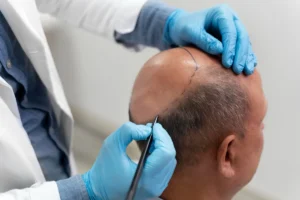
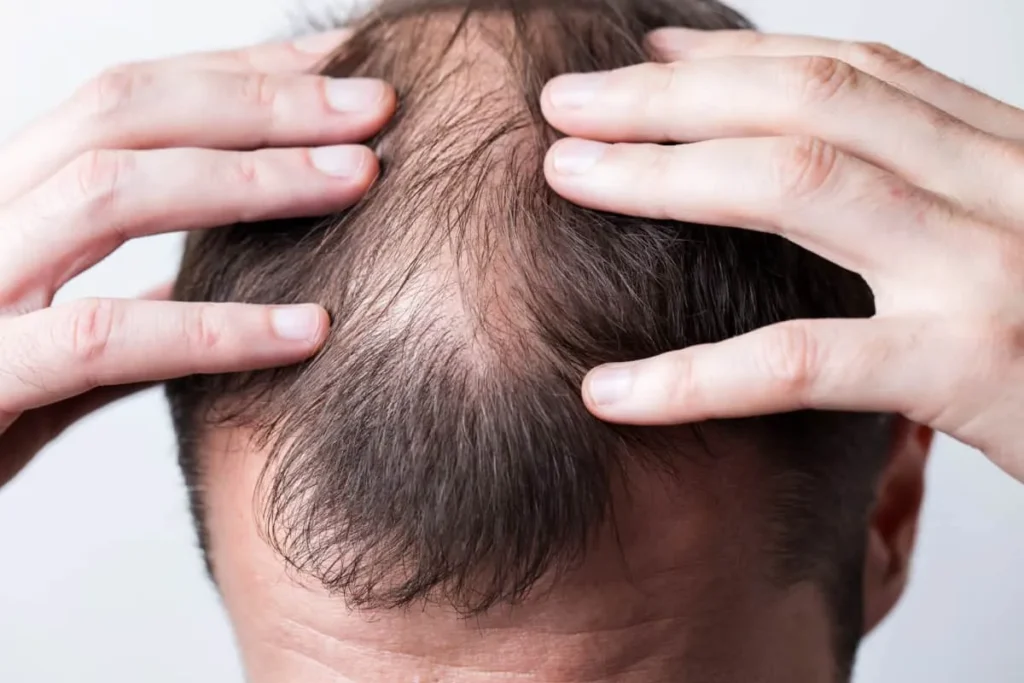
Experiencing hair loss at 16 can be really upsetting. But, you’re not alone. Millions of teens face early baldness. With the right help, many can slow or manage their hair loss.
Identify the signs of balding at 16 with this amazing guide. Use powerful advice to stop scary hair loss and achieve incredible regrowth now.
Knowing what’s happening to your hair is the first step to feeling better. Androgenetic alopecia is a big reason for hair loss in teens. It’s caused by genetics and hormones. Studies show about 16 percent of males start losing a lot of hair by 16.
Getting help early can make a big difference. It’s important to spot the early signs and talk to a professional.
Key Takeaways
Hair loss at 16 is more common than you think, affecting a significant percentage of teenagers.
Androgenetic alopecia is a leading cause of hair loss in adolescents.
Genetics and hormones play a critical role in early-onset baldness.
Early intervention can significantly improve treatment outcomes.
Understanding the causes of hair loss is key to managing it effectively.
Understanding Teen Hair Loss

Hair loss in teenagers is more common than you might think. Losing hair at 16 can be really tough, adding to the stress of being a teenager.
How Common is Hair Loss at 16?
Studies show that almost two-thirds of men will lose some hair in their lives. This can start as early as the teenage years. Androgenetic alopecia, or male/female pattern baldness, is the main cause of hair loss in teens.
Some important facts are:
About 40% of men notice hair loss by age 40, with some starting at 16.
Hair loss can be caused by genetics, hormonal changes, and other factors.
The Science Behind Early Hair Loss
Androgenetic alopecia is caused by genetics and hormones, like dihydrotestosterone (DHT). DHT sensitivity plays a big role in hair loss.
The process makes hair follicles thinner, leading to shorter, finer hair. Knowing the science behind hair loss helps find better solutions.
Signs of Balding at 16: What to Look For
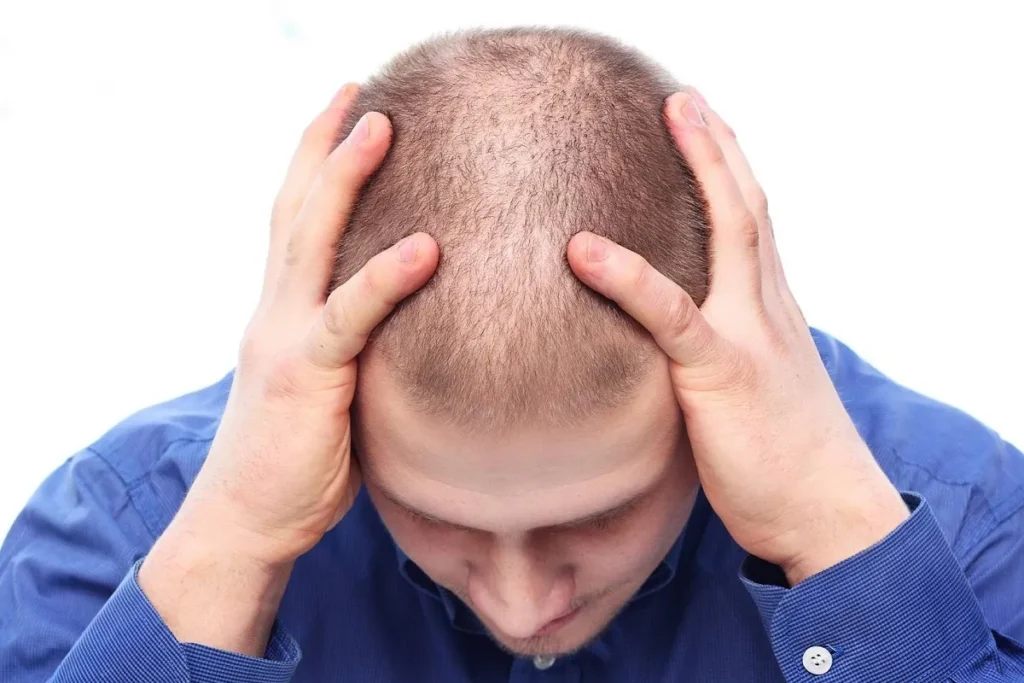
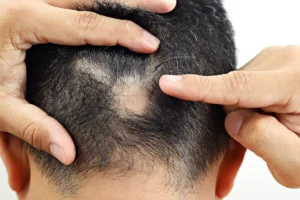
Losing hair in your teens can signal a problem that needs fixing. Hair loss at 16 can show up in different ways. Knowing the early signs is key to acting fast.
Receding Hairline and Crown Thinning
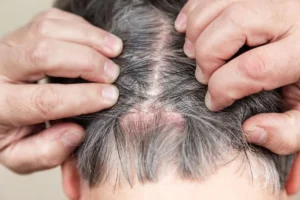
One clear sign of balding at 16 is a receding hairline. This happens when your hairline moves back, forming an ‘M’ shape. Another sign is crown thinning, where the hair at the back gets thinner.
Increased Hair Shedding During Washing and Brushing
Seeing more hair fall out when you wash or brush can be a warning sign. This is often seen as hair thinning, mainly at the hairline or crown.
Widening Part Lines and Changes in Hair Texture
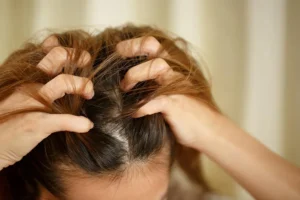
A wider part line or changes in hair texture can also hint at hair loss. As hair thins, the part line gets wider. The hair may also become finer or more brittle.
Causes and Risk Factors of Teenage Hair Loss
Losing hair at 16 can be scary. But knowing why it happens can help fix the problem. Hair loss in teens comes from many reasons.
Genetic Predisposition and DHT Sensitivity
Genetics play a big part in hair loss for teens. If your family has a history of baldness, you might lose hair too. DHT (dihydrotestosterone) sensitivity is also key. It can shrink hair follicles and cause hair loss.
Nutritional Deficiencies and Dietary Factors
Not getting enough nutrients can also cause hair loss. Not enough iron, zinc, and biotin can harm hair health. A diet without these can make hair thinner and fall out.
Stress, Hormonal Changes, and Medical Conditions
Stress and hormonal shifts can also lead to hair loss in teens. Medical issues like thyroid problems, autoimmune diseases, and skin conditions can cause hair loss too.
Stress can make hair fall out because of how our body reacts to stress.
Hormonal imbalances, like those with androgens, can cause hair loss.
Certain medical conditions can directly harm hair growth and lead to hair loss.
Knowing these causes and risk factors is key to tackling teenage hair loss.
Conclusion: Treatment Options and When to Seek Help
Experiencing baldness at 16 can be really tough. But, knowing the early signs and getting help early is key. If you’re wondering why you’re losing hair at 16, it’s important to look into the causes and treatments available.
There are many ways to treat baldness at 16. You can try medications that slow hair loss, PRP treatment, or even hair transplantation. Getting help early can make a big difference, so it’s important to talk to a dermatologist or healthcare professional.
Starting to address hair loss early can stop it from getting worse and help your hair grow back. By recognizing the early signs of baldness and getting professional advice, you can start working on a solution.
FAQ
What are the early signs of balding at 16?
Early signs include a receding hairline, thinning at the crown, wider parting, and noticeable shedding on pillows or in the shower. Hair may appear finer or less dense than before.
Is hair loss at 16 common?
Hair loss at 16 is less common but can occur, especially due to genetics, hormonal changes, stress, or medical conditions. Teen hair shedding is usually temporary but should be evaluated if persistent.
What causes hair loss in teenagers?
Causes include androgenetic alopecia (genetic baldness), telogen effluvium from stress or illness, nutritional deficiencies, hormonal changes, and certain medications.
Can stress cause hair loss at 16?
Yes, stress can trigger telogen effluvium, a temporary hair shedding condition where hair enters the resting phase prematurely. This type of hair loss often resolves once stress is managed.
How can I prevent hair loss at 16?
Maintain a balanced diet, avoid harsh styling or tight hairstyles, manage stress, and practice good scalp hygiene. Early evaluation by a dermatologist can help catch genetic or medical causes.
What are the treatment options for hair loss at 16?
Treatment may include topical minoxidil (with medical guidance), addressing nutritional deficiencies, or managing underlying conditions. For teenagers, professional evaluation is essential before starting medications.
Can I regrow my hair if I’m balding at 16?
Yes, if the cause is temporary hair shedding, hair often regrows once the trigger is addressed. Genetic hair loss may slow but may not fully reverse without treatment.
What are the signs of androgenetic alopecia in teenagers?
Signs include gradual thinning on the crown, widening part lines, a receding hairline in boys, and familial patterns of hair loss. Hair becomes finer and less dense over time.
How does DHT sensitivity contribute to hair loss?
DHT (dihydrotestosterone) binds to hair follicles in genetically sensitive areas, shrinking them and shortening the growth phase. This leads to thinner, weaker hair and eventual follicle miniaturization.
References
National Center for Biotechnology Information. Evidence-Based Medical Insight. Retrieved from https://pubmed.ncbi.nlm.nih.gov/17047590/