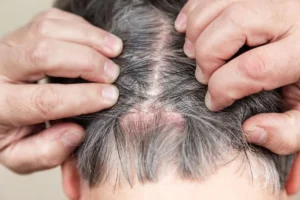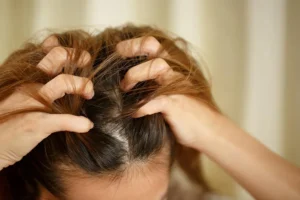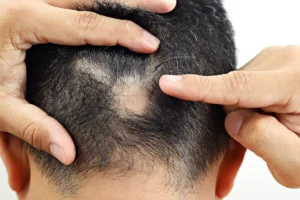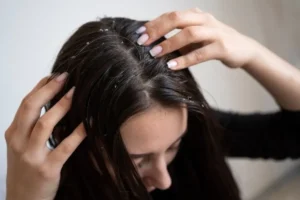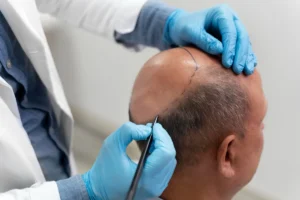
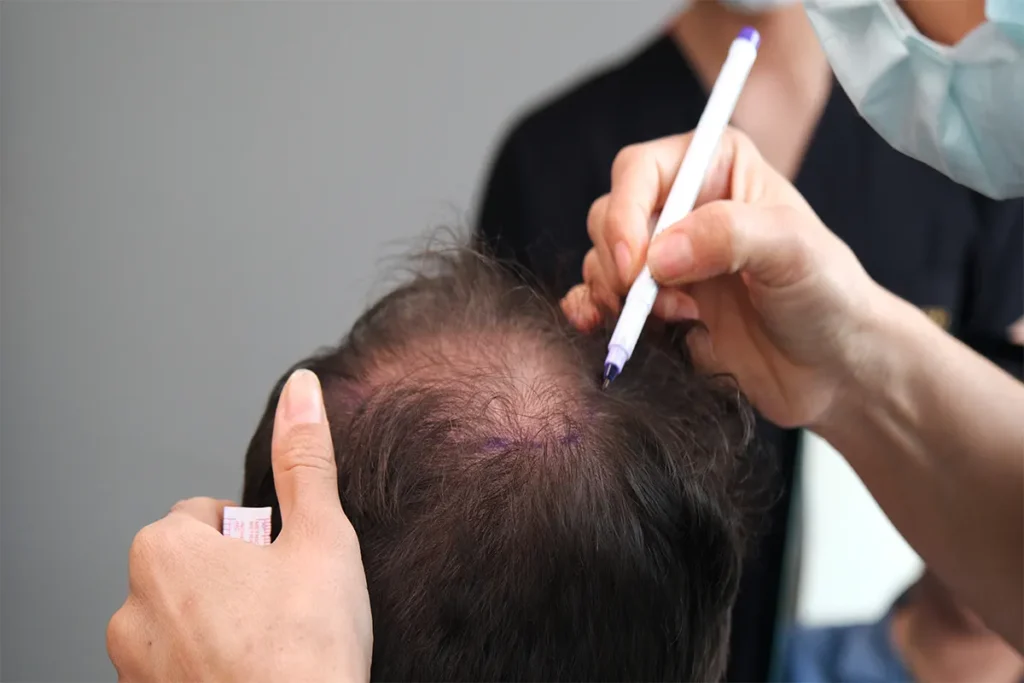
Having a tender scalp and thinning hair can be really tough. Research shows that scalp sensitivity and hair loss are connected, affecting many people. Symptoms like burning, itching, numbness, and stinging can happen, often due to skin issues like psoriasis or sunburn.
Fix tender scalp and hair thinning with amazing relief. Discover the scary causes and use powerful, incredible cures for your hair now.
Conditions like alopecia areata, telogen effluvium, and central centrifugal cicatricial alopecia (CCCA) can make your scalp sensitive. It’s important to know how hair loss and scalp pain are linked to find the right treatment.
Key Takeaways
Scalp sensitivity and hair loss are often connected.
Symptoms include burning, itching, and stinging sensations.
Skin conditions like psoriasis can cause scalp tenderness.
Alopecia areata and other conditions can lead to scalp sensitivity.
Effective treatment requires understanding the link between hair loss and scalp pain.
Understanding the Connection Between Tender Scalp and Hair Thinning
Recent studies have shown a strong link between scalp sensitivity and hair loss. This is not just a coincidence. It often points to deeper issues that need fixing.
The scalp is a complex area with hair follicles, sebaceous glands, and nerve endings. When this balance is upset, it can cause scalp pain and hair loss. Knowing about these issues is key to treating them.
The Science Behind Microinflammation and Hair Follicles
Microinflammation is a low-grade, ongoing inflammation around hair follicles. It weakens the hair root, causing hair to thin and fall out. This process involves immune cells, cytokines, and other molecules that disrupt hair growth.
Microinflammation can start from many things like stress, genetics, and lifestyle. When the skin around hair follicles gets inflamed, it can make hair thinner and fall out more.
Common Conditions: Telogen Effluvium and Alopecia Areata
Two common issues linked to painful scalp with hair loss are Telogen Effluvium (TE) and Alopecia Areata (AA). Telogen Effluvium happens when stress or shock makes many hair follicles stop growing and rest.
Alopecia Areata is an autoimmune disease where the immune system attacks hair follicles. This leads to patchy hair loss. Both conditions can make the scalp sensitive and cause hair loss. It’s important to understand their causes to find the right treatments.
5 Effective Remedies for Scalp Pain and Hair Loss
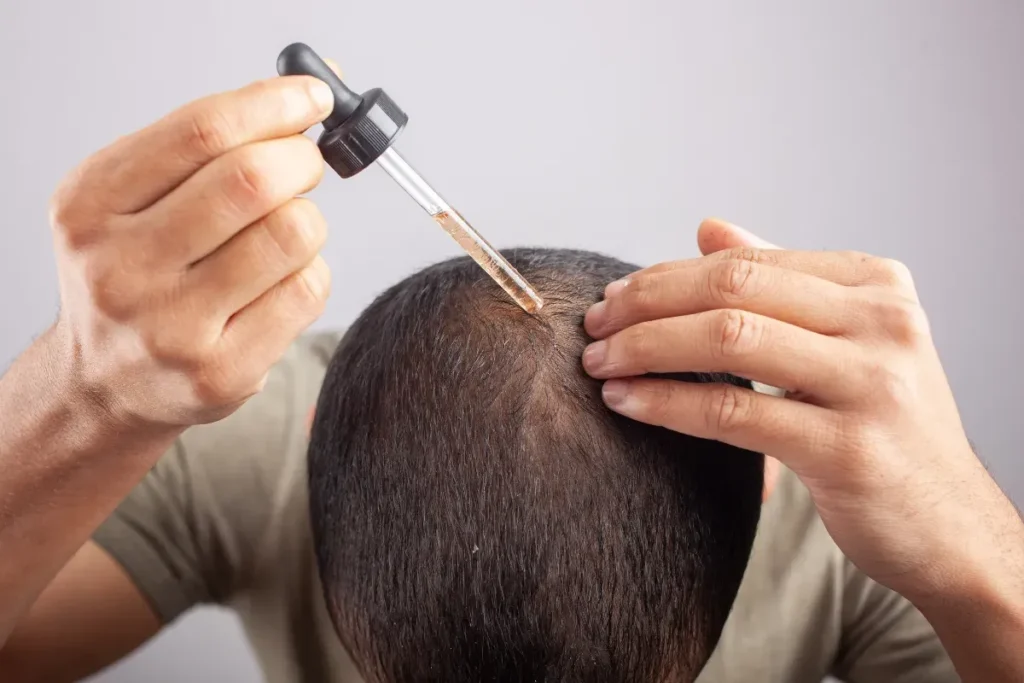
If you’re dealing with a sore scalp and hair loss, there are good solutions. These methods tackle the root causes of scalp pain and hair loss. They help ease symptoms and improve hair health.
1. Anti-Inflammatory Scalp Treatments
Anti-inflammatory scalp treatments are key for hair loss with scalp pain. They include medicated shampoos and topical corticosteroids. These products help lower inflammation.
Use shampoos with ketoconazole or salicylic acid to fight inflammation and keep the scalp healthy.
Apply topical corticosteroids to target inflamed spots directly.
2. Gentle Hair Care Techniques
Being gentle with your hair can help a lot. It reduces breakage and scalp irritation. This is good for tender scalp and thinning hair.
Stay away from harsh chemical treatments and too much heat styling.
Use a wide-tooth comb or a soft-bristled brush to gently detangle your hair.
3. Nutritional Support for Hair Health
Eating a balanced diet is key for healthy hair. It helps reduce sore scalp hair loss. Lack of nutrients can make hair loss and scalp tenderness worse.
4. Stress Management Approaches
Stress can lead to alopecia scalp pain and hair loss. Managing stress can help ease these issues.
Try yoga or meditation to lower stress.
Do regular physical activity for overall well-being.
By adding these remedies to your daily life, you can tackle scalp pain and hair loss. This leads to a healthier scalp and fuller hair.
Conclusion
Scalp irritation can cause discomfort, flaking, and hair loss. It’s important to tackle tender scalp and hair thinning. The link between sore scalp alopecia and scalp sensitivity hair loss comes from microinflammation.
This inflammation can lead to pain in thinning hair scalp. To fix this, using medicated shampoos and topical corticosteroids is key. Stress management, like gentle hair care and nutrition, also helps keep the scalp healthy.
Knowing why scalp hurts and hair falls out helps us act early. Using the 5 effective remedies can lessen scalp sensitivity hair loss. This promotes a healthier scalp.
Fixing tender scalp and hair thinning needs a full plan. This includes medical treatments, lifestyle changes, and managing stress. By doing this, we can ease thinning hair scalp pain and improve our overall health.
FAQ
What is the connection between scalp sensitivity and hair loss?
A sensitive or tender scalp can signal inflammation or irritation, which may weaken hair follicles and contribute to hair thinning.
How does microinflammation affect hair follicles?
Chronic microinflammation can damage follicles, shorten the hair growth phase, and increase shedding over time.
What are some common conditions associated with scalp sensitivity and hair loss?
Conditions include alopecia areata, telogen effluvium, seborrheic dermatitis, psoriasis, and folliculitis.
Can anti-inflammatory scalp treatments help alleviate scalp pain and hair loss?
Yes, medicated shampoos, topical corticosteroids, or soothing treatments can reduce inflammation and protect hair growth.
How can gentle hair care techniques help with scalp sensitivity and hair loss?
Using mild shampoos, avoiding tight hairstyles, minimizing heat styling, and gentle brushing reduce irritation and follicle stress.
What role does nutrition play in maintaining healthy hair and scalp?
Adequate protein, iron, zinc, vitamins A, D, E, and biotin support hair growth and reduce scalp inflammation.
Can stress management approaches help alleviate scalp pain and hair loss?
Yes, stress reduction techniques like meditation, exercise, and proper sleep can lower inflammation and prevent stress-related hair shedding.
Is scalp pain a common symptom of alopecia?
It can occur, especially in inflammatory forms like alopecia areata or scarring alopecia.
Can a tender scalp be a sign of underlying hair loss?
Yes, tenderness or sensitivity may indicate inflammation or early follicle damage that can lead to hair thinning.
References
https://www.google.com/url?sa=t&source=web&rct=j&opi=89978449&url=https://pmc.ncbi.nlm.nih.gov/articles/PMC9527678/&ved=2ahUKEwjl-