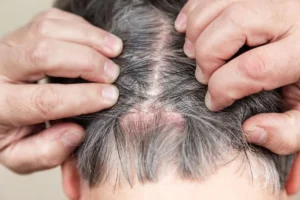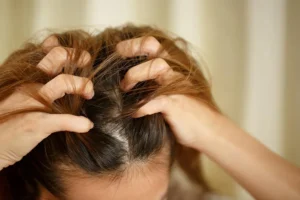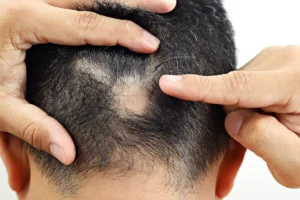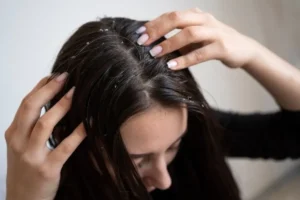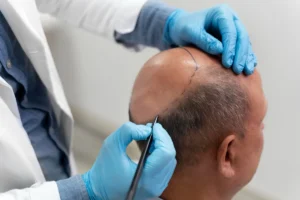
Seborrheic dermatitis, also known as cradle cap in adults, is a long-term skin issue. It causes oily, yellowish scales and flaking on the scalp and other oily skin areas.
What causes cradle cap in adults? Discover the amazing secrets and powerful fixes for incredible relief from scary, stubborn scalp scaling.
This condition affects millions globally, causing discomfort and affecting daily life. Knowing what causes adult cradle cap is key to managing it well.
In this guide, we’ll cover the causes, symptoms, diagnosis, and treatment options for seborrheic dermatitis in adults. We aim to provide relief and help people regain their confidence.
Key Takeaways
Seborrheic dermatitis is a common, chronic skin condition that causes red, scaly patches.
Adult cradle cap can be managed with professional dermatological evaluation and personalized treatment.
Understanding the condition is essential for effective management.
Treatment options are available to help alleviate symptoms.
Restoring confidence is possible with the right approach.
Understanding Adult Cradle Cap (Seborrheic Dermatitis)
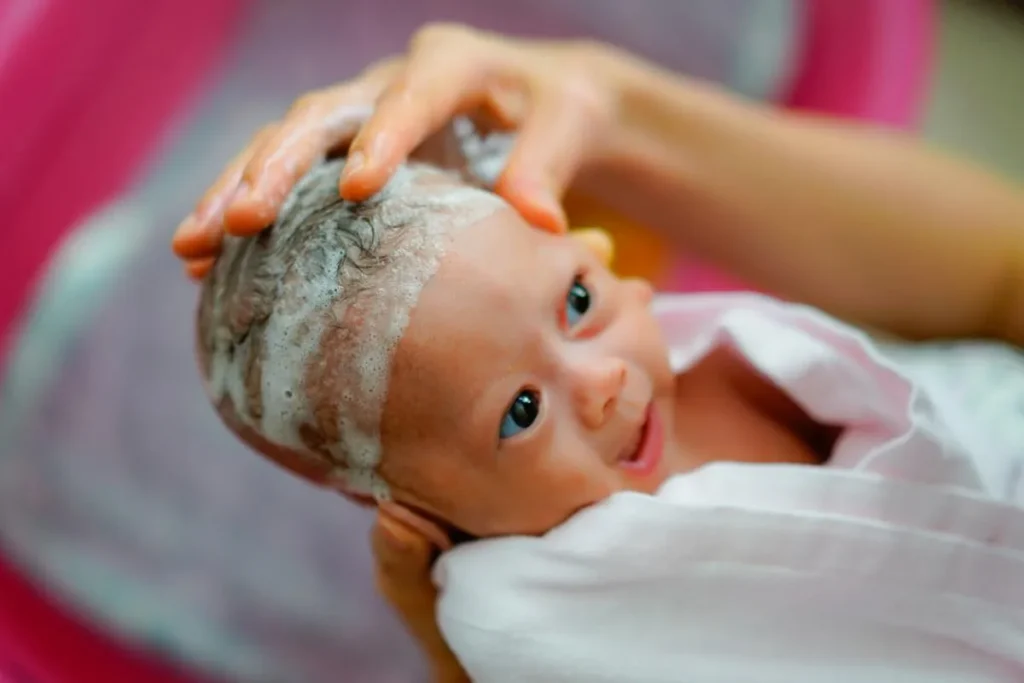
It’s important to understand adult cradle cap, also known as seborrheic dermatitis. This condition causes greasy, yellowish scales and flaking on the scalp and other oily parts of the body.
Identifying Symptoms and Affected Areas
Seborrheic dermatitis shows up as red, itchy, and flaky skin. It mainly hits oily spots like the scalp, face, and torso. You might see:
Flaky skin or dandruff on the scalp
Red, inflamed skin
Greasy or oily patches
Itching or irritation
The scalp is often hit the hardest, with symptoms from mild dandruff to severe flaking and redness. Other spots, like the eyebrows, ears, and sides of the nose, can also get affected.
Differentiating from Other Scalp Conditions
Seborrheic dermatitis can be mixed up with other skin issues like fungal acne, eczema, psoriasis, rosacea, or dandruff. Knowing the differences is key for the right diagnosis and treatment.
Seborrheic dermatitis affects about 3% of people. It usually starts in those aged 30 to 60, with more men than women getting it. Getting the right diagnosis is essential for treating it well.
What Causes Cradle Cap in Adults
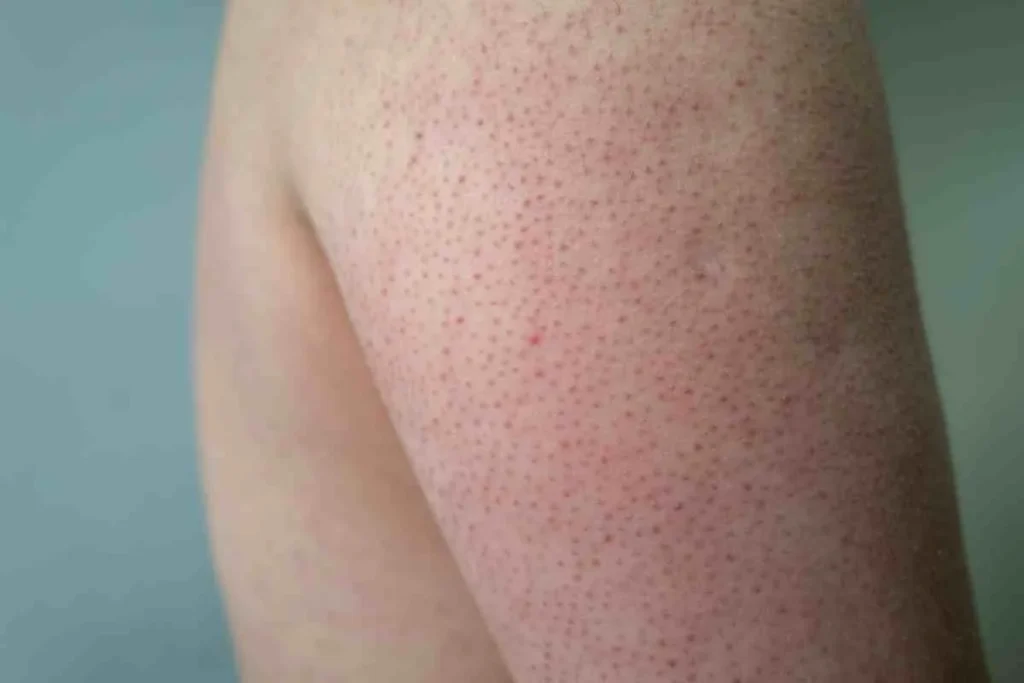
It’s important to know what causes cradle cap in adults to manage and treat it well. Cradle cap, or seborrheic dermatitis, is caused by many things. These include biological, genetic, and environmental factors.
Biological Factors: Sebum Production and Malassezia Yeast
Too much sebum from oil glands is a big factor in cradle cap in adults. Sebum production is normal, but too much can cause seborrheic dermatitis. Another key factor is Malassezia yeast on the scalp. This yeast is common on human skin and can cause problems when it grows too much.
Sebum and Malassezia yeast work together in a way that’s hard to understand. Too much sebum helps Malassezia yeast grow, leading to inflammation and symptoms of cradle cap.
Genetic and Immune System Influences
Genetics play a big role in seborrheic dermatitis. If your family has it, you’re more likely to get it too. A weak immune system also makes you more likely to get it. This is because your immune system can’t keep Malassezia yeast in check.
How your immune system reacts to Malassezia yeast can differ. Sometimes, it can cause too much inflammation, making cradle cap symptoms worse.
Environmental Triggers and Lifestyle Factors
Things around us and our lifestyle can also affect cradle cap in adults. Stress and fatigue can make it worse. Cold weather and dry air can dry out the scalp, causing irritation and flaking.
Our lifestyle choices, like poor hygiene and harsh hair care products, can also play a part. Eating too much processed food and sugar can affect it too. Knowing and managing these factors is key to controlling cradle cap.
Effective Treatment Methods for Adult Cradle Cap
Adult cradle cap treatment aims to lessen symptoms and stop flare-ups. It uses medicated shampoos and lifestyle changes.
A healthcare provider can help find the best treatment for your skin.
Medicated Shampoos and Prescription Options
Medicated shampoos are key in treating adult cradle cap. They have ingredients like zinc pyrithione, ketoconazole, or coal tar. These help reduce flaking and inflammation.
In severe cases, stronger shampoos or oral antifungal meds might be needed.
Some common medicated shampoos include:
Nizoral (ketoconazole) – an antifungal shampoo effective against yeast-related scalp issues.
Head & Shoulders (zinc pyrithione) – helps control flaking and soothe the scalp.
Neutrogena T/Gel (coal tar) – reduces scaling and inflammation.
For severe cases, doctors may prescribe:
Oral antifungal medications to target the underlying fungal infection.
Corticosteroid lotions or creams to reduce inflammation.
Step-by-Step Home Treatment Process
Home treatment for adult cradle cap is simple and consistent.
Wet your hair with warm water.
Apply a medicated shampoo, massaging it into your scalp.
Leave the shampoo on for 5-10 minutes before rinsing.
Use a fine-tooth comb or a medicated scalp scrub to gently remove scales.
Rinse thoroughly and repeat if necessary.
Prevention Strategies and When to See a Doctor
Preventing adult cradle cap involves good scalp hygiene and stress management.
Regular medicated shampoo use can prevent flare-ups.
Reducing stress and eating well also helps your skin health.
See a doctor if:
Symptoms persist or worsen despite treatment.
You experience significant discomfort or itching.
There’s a risk of infection or if you notice signs of infection such as increased redness, swelling, or pus.
Conclusion
Managing cradle cap in adults needs a full plan. This includes spotting symptoms, knowing the causes, and using good treatments.
Seborrheic dermatitis, the main cause of cradle cap in adults, is ongoing but can be managed. Using medicated shampoos and following a home treatment can help. Making lifestyle changes also plays a big role.
Effective treatment for adult cradle cap involves more than just medicine. It also means making lifestyle changes. This approach helps control the condition and improve life quality.
Understanding and treating cradle cap in adults is key. It leads to a healthier scalp and better overall health. By tackling the causes and symptoms, adults can manage their condition well.
FAQ
What is cradle cap in adults?
In adults, cradle cap is a form of seborrheic dermatitis that causes flaky, oily patches on the scalp.
What are the common symptoms of seborrheic dermatitis in adults?
Red, itchy, scaly, or greasy patches on the scalp, sometimes with mild inflammation.
What causes cradle cap in adults?
It is linked to excess oil production, yeast on the scalp, and sometimes hormonal changes or stress.
How is cradle cap in adults diagnosed?
A doctor can usually diagnose it by examining the scalp and the pattern of flakes.
What are the best shampoos for treating cradle cap in adults?
Shampoos containing ketoconazole, zinc pyrithione, or selenium sulfide are most effective.
Can cradle cap in adults be treated at home?
Yes, gentle medicated shampoos, regular washing, and moisturizing can help manage it.
How can I prevent cradle cap in adults?
Regular scalp cleaning, avoiding harsh hair products, and managing stress can reduce flare-ups.
When should I see a doctor for cradle cap in adults?
See a doctor if flakes are severe, itchy, infected, or not improving with home care.
Is cradle cap in adults contagious?
No, it is not contagious.
Can adults with cradle cap experience hair loss?
Temporary hair thinning may occur due to inflammation or scratching, but it usually grows back.
References
https://www.ncbi.nlm.nih.gov/books/NBK531463/