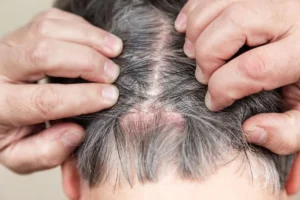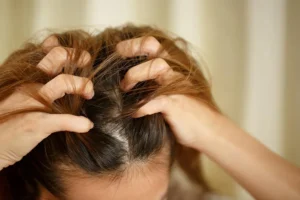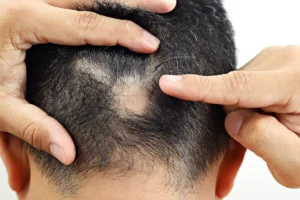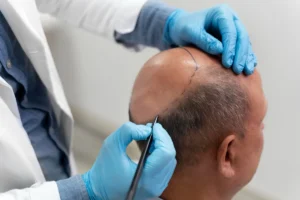
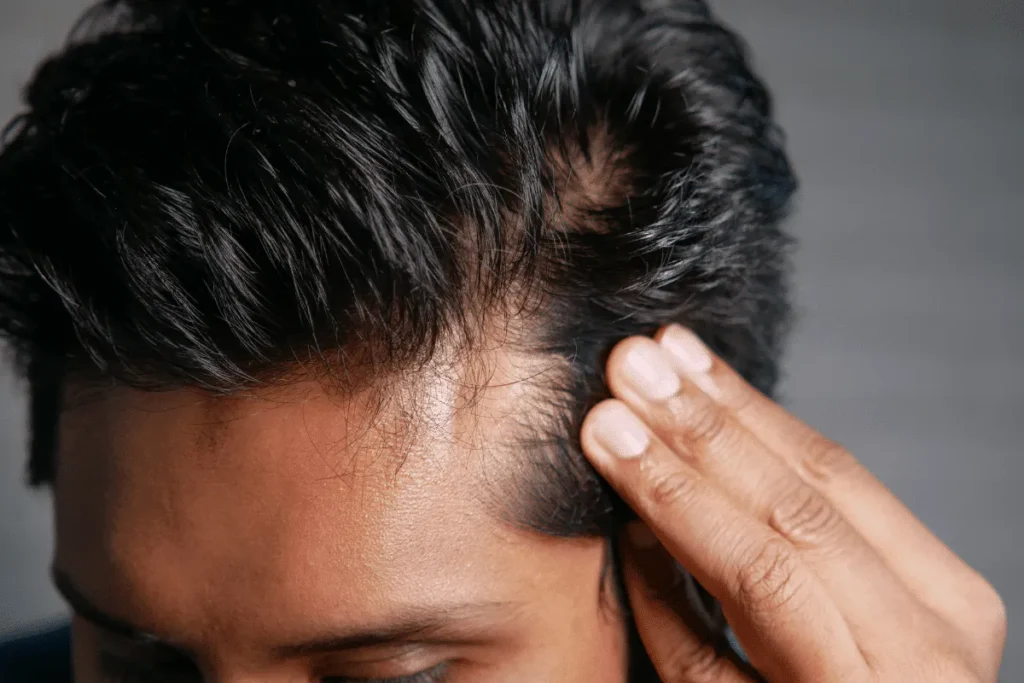
Seeing clumps of hair fall out can be scary. But knowing why it happens is the first step to feeling better. This issue, called telogen effluvium, is a common hair loss problem for both men and women.
Why is my hair coming out in clumps? Discover the scary causes and amazing, powerful solutions to stop shedding and restore your hair health now.
It happens when stress or big changes make many hair follicles stop growing. They then enter a resting phase, leading to a lot of hair loss. At Gold City Hair, skilled dermatologists offer caring and effective treatments.
Getting your confidence back begins with knowing why you’re losing hair. Getting professional help can lead to finding good solutions for this upsetting problem.
Key Takeaways
Telogen effluvium is a common condition causing hair to fall out in clumps.
It’s often triggered by stress or significant bodily changes.
Understanding the cause is key to finding a solution.
Professional help is available for addressing hair loss.
Effective treatments can help restore hair growth and confidence.
Understanding Why Is My Hair Coming Out in Clumps

It’s important to know why hair falls out in clumps. This condition, known as clumpy hair loss, happens when too much hair sheds. It can be caused by many things. To understand it, we need to look at its causes and how it’s different from normal hair loss.
What Is Telogen Effluvium?
Telogen effluvium is when many hair follicles stop growing at the same time. This leads to a lot of hair falling out. It can be caused by stress, not eating well, or health problems. Telogen effluvium is a reversible condition, and knowing its causes helps fix it.
People with telogen effluvium might see hair falling out in chunks when they wash or comb their hair. It’s scary, but it’s a sign of something else, not a permanent problem.
Normal Hair Loss vs. Clumpy Hair Loss
It’s normal to lose some hair every day. Most people lose 50-100 hairs daily. But, clumpy hair loss is different because it’s a lot more hair and it falls out in big chunks. Knowing this helps figure out what to do next.
Knowing the difference between normal and clumpy hair loss helps understand what’s happening. It’s also smart to talk to a doctor if you’re losing a lot of hair.
Common Causes of Clumpy Hair Loss
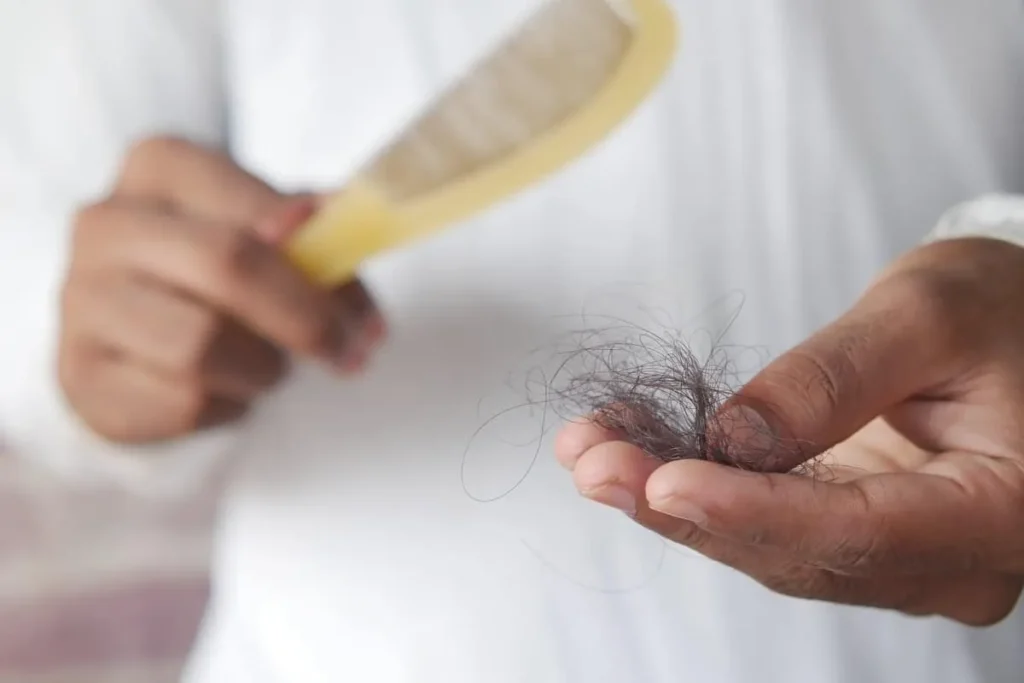
Clumpy hair loss can come from many sources. This includes physical and emotional stress, as well as nutritional and medical issues. Knowing what causes it is key to finding solutions.
Physical and Emotional Triggers
Stress, both physical and emotional, can lead to hair loss. Stress can push hair into a shedding phase. Other physical causes include:
Surgery
Illness
Trauma
Extreme weight loss
Emotional stress, like anxiety and depression, can also cause hair loss. It’s important to tackle these issues to protect your hair.
Nutritional and Medical Factors
Lack of nutrients like iron, zinc, and biotin weakens hair follicles. A balanced diet is essential for healthy hair.
Medical conditions and some medications can also cause hair loss. For example, thyroid problems, autoimmune diseases, and skin issues like psoriasis can harm hair. Medications for depression, high blood pressure, and cancer can also lead to hair loss.
To control clumpy hair loss, you need a full plan. Understanding the causes helps you start on the path to regaining your confidence and healthier hair.
Effective Solutions and Recovery Timeline
Getting your hair back starts with knowing how to fix clumpy hair loss. Finding and fixing the cause is key. Often, hair grows back once the problem is solved.
It’s important to find out why your hair is falling out. This could be because of physical or emotional issues, not enough nutrients, or health problems. Once you know the cause, you can start fixing it.
How long it takes for hair to grow back varies. But with the right steps, hair can grow back on its own. Looking at success stories and long-term results can motivate you to reach your hair goals.
Creating a care plan that fits you and using the latest technology can help. With the right support, you can beat clumpy hair loss and get your hair back.
FAQ
What is telogen effluvium, and how does it cause hair to fall out in clumps?
Telogen effluvium is a temporary hair loss condition where more hairs than usual enter the resting (telogen) phase of the hair growth cycle. This can cause shedding in clumps, especially when brushing or washing hair.
Is losing hair in clumps a sign of a serious medical condition?
Not always. Telogen effluvium is often temporary and triggered by stress, illness, or hormonal changes, but sudden or severe hair loss can sometimes indicate thyroid issues, nutritional deficiencies, or autoimmune conditions, so medical evaluation is advised.
Can nutritional deficiencies cause hair to fall out in clumps?
Yes, deficiencies in iron, zinc, vitamin D, biotin, and protein can disrupt the hair growth cycle and lead to clumpy shedding.
How long does it take to recover from clumpy hair loss caused by telogen effluvium?
Recovery usually occurs within 3–6 months once the underlying trigger is addressed, though some cases may take longer for hair to fully regrow.
Are there any effective treatments for clumpy hair loss?
Treatment focuses on identifying and correcting the underlying cause, improving nutrition, managing stress, and using gentle hair care practices. In some cases, topical minoxidil may be recommended to stimulate growth.
Can stress cause hair to fall out in clumps?
Yes, physical or emotional stress can trigger telogen effluvium, causing hair to enter the resting phase prematurely and shed in clumps.
Will my hair grow back after experiencing clumpy hair loss?
In most cases, yes, as long as the hair follicles remain healthy and the trigger is resolved. Hair usually regrows gradually over several months.
How can I prevent clumpy hair loss from happening again?
Prevention involves managing stress, maintaining a balanced diet, avoiding harsh hair treatments, treating underlying medical conditions, and following a gentle hair care routine to keep follicles healthy.
References
National Center for Biotechnology Information. Evidence-Based Medical Insight. Retrieved from https://pubmed.ncbi.nlm.nih.gov/25628701/