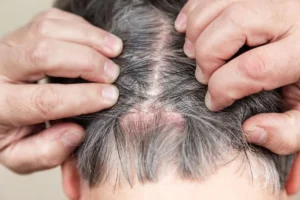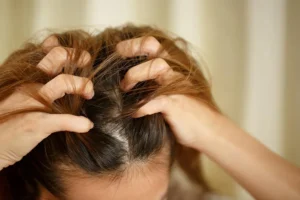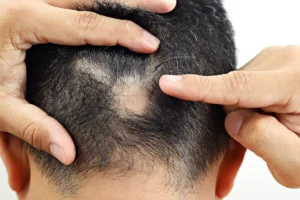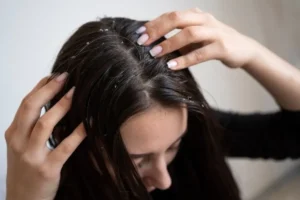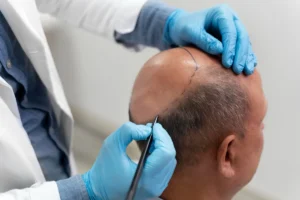
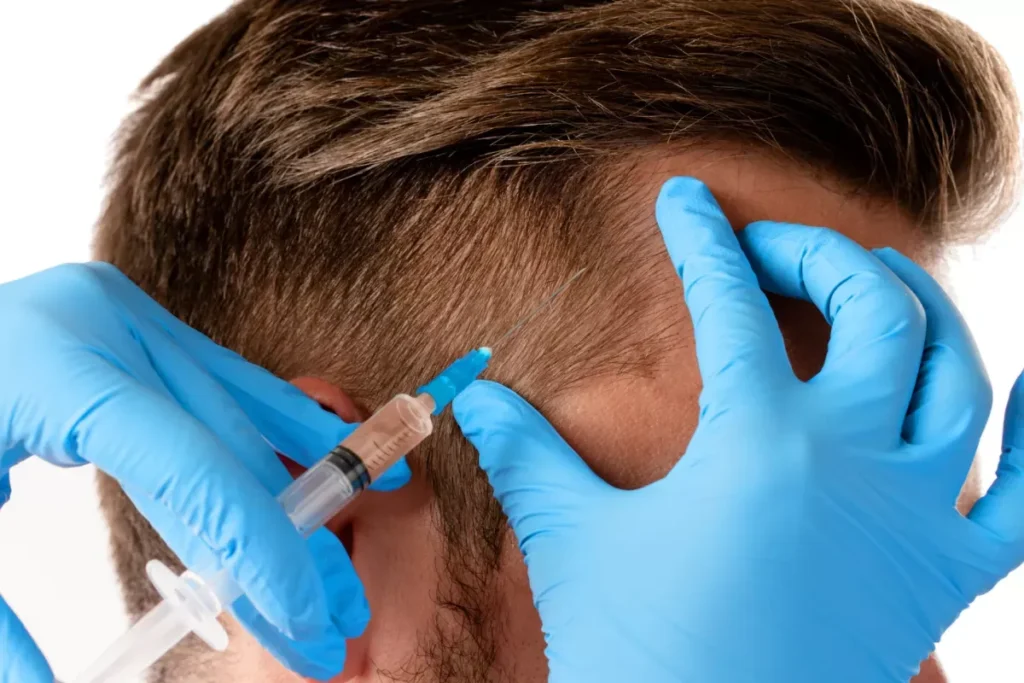
Scalp redness is a common issue affecting millions globally. It can stem from many causes, like inflammatory skin conditions or fungal infections. At gold city hair, we know that scalp health is key to your overall well-being and confidence. Why is my scalp red and itchy? Identify 5 scary root causes and find incredible solutions to soothe inflammation and restore scalp health.
Redness on the scalp can signal several problems. Seborrheic dermatitis, for example, leads to red patches with greasy scales. It can look like dandruff in mild cases or more severe in others, as the Medical organization explains.
Regaining confidence starts with knowing why your scalp is red. Our expert team is here to offer transparent guidance and cutting-edge dermatological expertise. We aim to find the cause and provide solutions that fit you.
Key Takeaways
Scalp redness can be caused by various conditions, including inflammatory skin conditions and fungal infections.
Seborrheic dermatitis is a common condition leading to red patches with greasy scales on the scalp.
Understanding the root cause is key for effective treatment.
Expert consultation is vital to identify the cause and offer tailored solutions.
Cutting-edge dermatological expertise is essential for addressing scalp redness.
Understanding Why Is My Scalp Red: Common Causes
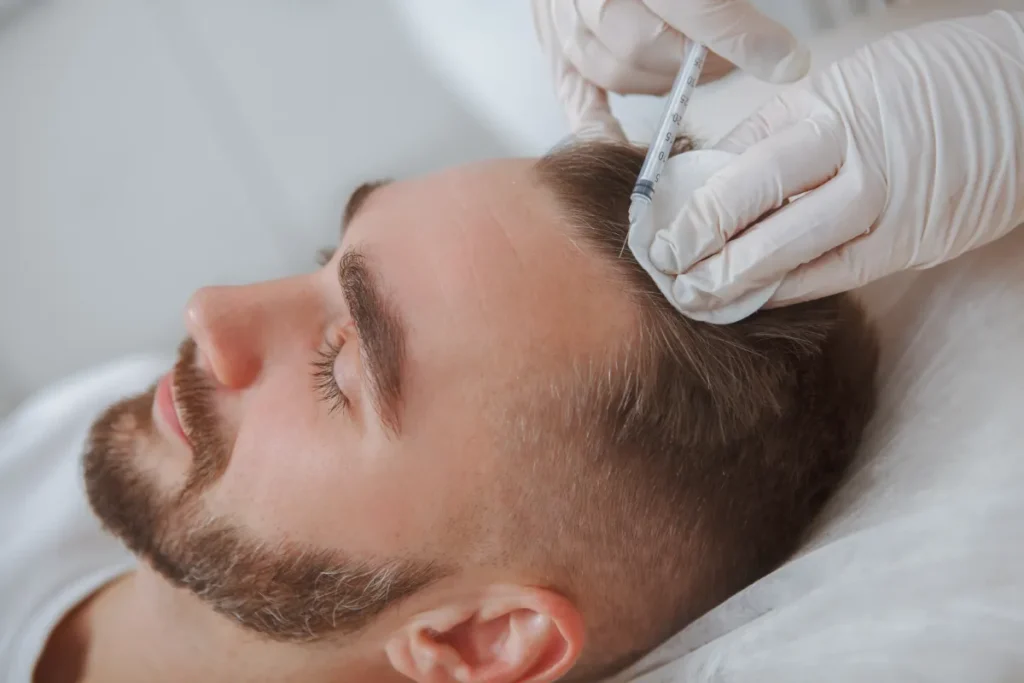
Seeing redness on your scalp can worry you. But finding out why is key to fixing it. Scalp redness can come from simple irritations or serious problems.
Seborrheic Dermatitis and Dandruff
Seborrheic dermatitis is a common skin issue. It makes your scalp red, itchy, and flaky. It’s often linked to dandruff, where dead skin flakes off.
Seborrheic dermatitis can be treated with special shampoos and good scalp care.
Psoriasis and Inflammatory Conditions
Psoriasis can also make your scalp red. It causes thick, red, scaly patches. This happens because your immune system is too active.
To manage psoriasis, you need to reduce inflammation and slow down skin cell growth.
Fungal and Malassezia Yeast Overgrowth
Fungal infections, like those from Malassezia yeast, can make your scalp red and flaky. To treat this, you’ll need antifungal shampoos and keep your scalp clean.
Contact Dermatitis from Hair Products
Using hair products can sometimes cause allergic reactions. This leads to redness and discomfort on your scalp. The best way to fix this is to find and avoid the product that’s causing the problem.
Knowing why your scalp is red is the first step to treating it. Whether it’s from seborrheic dermatitis, psoriasis, a fungal infection, or an allergic reaction, each needs a specific treatment plan.
Red Spots on Scalp Not Itchy: What It Means
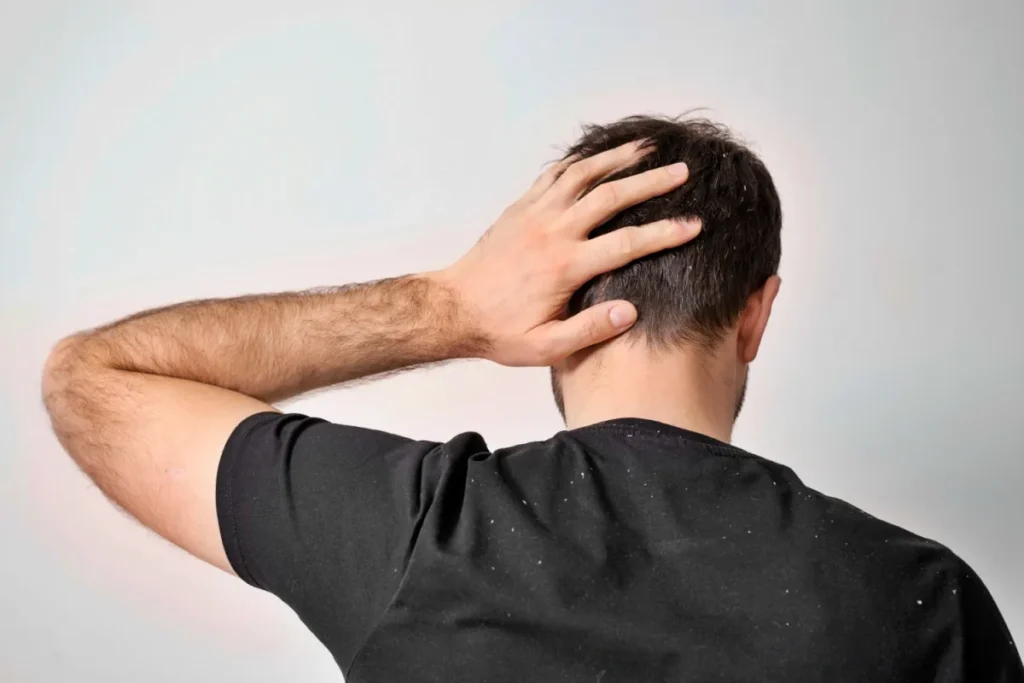
Seeing non-itchy red spots on your scalp can mean different things. It’s important to figure out why they’re there. This helps you take the right steps to fix the problem.
Non-Itchy Inflammatory Responses
Scalp inflammation can show up as red spots without itchiness. Scalp psoriasis or dermatitis are common causes. These issues happen when your immune system reacts, causing redness and inflammation.
In some cases, you might not feel itchy. This makes it hard to know what’s going on just by how it feels.
Stress and Underlying Health Connections
Stress can make scalp problems worse or start them. Stress affects scalp health in many ways, like changing hormones and how your immune system works. Red spots could be a sign of stress or other health issues.
When Redness Occurs Without Irritation
Red spots on the scalp can happen without itchiness. This might be because of vascular issues or other health problems. Watching these signs and seeing a doctor if they don’t go away is key.
Getting your scalp healthy starts with knowing what it needs. If you keep seeing red spots, see a dermatologist. They can find out why and help fix it.
Diagnosing and Treating Scalp Redness
To tackle scalp redness, figuring out the root cause is vital. It can be due to seborrheic dermatitis, psoriasis, fungal infections, or contact dermatitis. Getting an accurate diagnosis is essential for effective treatment.
Identifying Your Specific Condition
Understanding the causes of scalp redness is the first step. Common causes include:
Seborrheic dermatitis, marked by a red, itchy scalp
Psoriasis, which causes thick, scaly patches
Fungal or yeast overgrowth, causing irritation and redness
Contact dermatitis from hair care products or other irritants
A thorough examination by a healthcare professional is key to pinpointing the exact cause of your scalp redness.
Medicated Shampoos and Topical Treatments
After identifying the cause, treatment can start. For many conditions, medicated shampoos are the first step. These shampoos often contain zinc pyrithione, ketoconazole, or coal tar. They help reduce inflammation and fight fungal or yeast infections.
Along with medicated shampoos, topical treatments might be suggested. These can include corticosteroid creams or ointments. They help lessen inflammation and itching.
Prescription Solutions for Severe Cases
For severe scalp redness, prescription medications might be needed. These can include stronger corticosteroids, immunosuppressive drugs, or antifungal medications, based on the cause.
In some cases, phototherapy is recommended. This involves light therapy under medical supervision to reduce inflammation and aid healing.
By teaming up with a healthcare provider, you can find a treatment plan that works for you. This helps ease scalp redness and prevents it from coming back.
Conclusion: Managing and Preventing Scalp Redness
Managing and preventing scalp redness needs a full plan. It starts with knowing why it happens and using good scalp care. By finding out why your scalp gets red, you can start feeling better and have a healthy scalp.
A good scalp care routine is key to avoiding redness. Use gentle products and stay away from harsh chemicals. Also, add treatments that calm your scalp. These steps help lower irritation and make your scalp a great place for hair to grow.
Knowing what makes your scalp red is important. Common causes include seborrheic dermatitis, psoriasis, and contact dermatitis. By understanding these, you can act early to stop and treat redness. With the right steps, you can have a scalp without redness and enjoy healthier hair.
FAQ
What causes redness on the scalp?
Scalp redness can be caused by dandruff, seborrheic dermatitis, psoriasis, folliculitis, sunburn, allergic reactions, fungal infections, or irritation from hair products.
Why is my scalp red but not itchy?
A red scalp without itching may be due to mild irritation, sunburn, early psoriasis, product buildup, or increased blood flow from heat or stress.
What does a red scalp mean?
It usually means inflammation or irritation of the scalp. The cause can range from mild sensitivity to skin conditions like seborrheic dermatitis or folliculitis.
How is scalp redness treated?
Treatment depends on the cause and may include medicated shampoos (ketoconazole, salicylic acid), topical steroids, antifungal treatments, or switching to gentle hair products.
Can stress cause scalp redness?
Yes, stress can trigger or worsen inflammatory scalp conditions like psoriasis and seborrheic dermatitis, leading to redness.
How can I prevent scalp redness?
Use gentle shampoos, avoid harsh chemicals, limit heat styling, manage stress, wash regularly to remove buildup, and protect your scalp from sun exposure.
What are the common irritants that can cause scalp redness?
Hair dyes, bleaching agents, strong shampoos, fragranced products, hair sprays, excessive heat styling, and tight hairstyles.
Can I treat scalp redness at home?
Yes, mild cases can improve with gentle shampoo, aloe vera, diluted tea tree oil, avoiding irritants, and keeping the scalp clean and moisturized.
References
National Center for Biotechnology Information. Evidence-Based Medical Insight. Retrieved from https://pubmed.ncbi.nlm.nih.gov/24675076/