Understanding the average hair fall per day for men is the first step toward maintaining a healthy scalp and confidence in your appearance. Most healthy individuals lose a certain amount of hair each day as part of the natural growth cycle, but the exact number can vary widely. In this article we explore the science behind daily shedding, the factors that can push numbers higher, and the signs that indicate you may need professional assistance.
Did you know that the typical range for normal shedding is between 50 and 100 strands per day? This statistic often surprises those who notice a few hairs on their pillow each morning, leading them to worry unnecessarily. By the end of this guide, you’ll be able to differentiate normal loss from early signs of hair loss and understand the options available to you.
We’ll cover the biology of hair growth, lifestyle influences, common myths, and evidence‑based strategies to keep shedding within a healthy range. Whether you’re experiencing mild thinning or are concerned about male pattern baldness, the information here will help you make informed decisions about your scalp health.
Understanding Normal Hair Shedding
Hair grows in cycles that include anagen (growth), catagen (transition), and telogen (rest). At any given time, roughly 85‑90% of scalp hairs are in the anagen phase, while the remaining 10‑15% are in telogen. When a telogen hair is shed, a new anagen hair begins to grow from the same follicle. This turnover is why losing hair each day is completely normal.
The average hair fall per day for men typically falls between 50 and 100 hairs. This range accounts for variations in age, genetics, and overall health. Below is a simple comparison of expected shedding across different age groups:
| Age Group | Typical Daily Shedding |
|---|---|
| Average Hair Fall Per Day for Men | |
| 20‑30 years | 50‑80 hairs |
| 31‑45 years | 60‑90 hairs |
| 46‑60 years | 70‑100 hairs |
| 60+ years | 80‑120 hairs |
While the numbers above provide a useful benchmark, individual experiences can differ. Factors such as seasonal changes, stress levels, and nutritional status can cause temporary fluctuations.
Factors That Influence Daily Hair Loss
Several internal and external factors can shift the average hair fall per day for men upward or downward. Understanding these influences helps you pinpoint potential causes of excessive shedding.
Genetics and Hormonal Balance
Genetic predisposition is the primary driver behind androgenetic alopecia, commonly known as male pattern baldness. Elevated levels of dihydrotestosterone (DHT) can shorten the anagen phase, leading to more hairs entering the telogen stage and increasing daily loss.
Nutrition and Lifestyle
- Protein intake – Hair is made of keratin, a protein; insufficient protein can weaken strands.
- Iron and zinc – Deficiencies are linked to increased shedding.
- Stress – Chronic stress raises cortisol, which can disrupt the hair cycle.
- Sleep quality – Poor sleep impairs cellular repair, affecting follicle health.
Medical Conditions and Medications
Conditions such as thyroid disorders, anemia, and autoimmune diseases (e.g., alopecia areata) can cause sudden spikes in hair loss. Certain medications, including anticoagulants, retinoids, and chemotherapy agents, also contribute to higher shedding rates.
Below is a concise checklist to assess potential contributors:
- Do you have a family history of baldness?
- Are you experiencing high stress or poor sleep?
- Is your diet lacking in essential nutrients?
- Have you started any new medication recently?
- Do you notice other symptoms such as fatigue or skin changes?
By systematically reviewing these items, you can better understand why your shedding might exceed the typical range.
When Hair Fall Exceeds the Average
Occasional spikes above the average hair fall per day for men are normal, especially after events like surgery or major illness. However, persistent shedding beyond 100 hairs per day may signal an underlying problem that warrants professional evaluation.
Warning Signs to Watch For
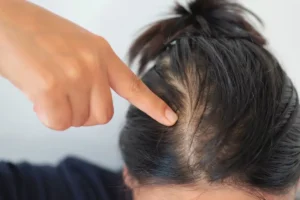
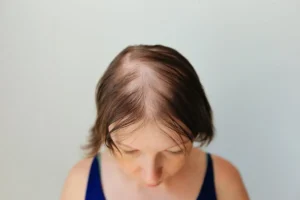
- Visible thinning on the crown or frontal scalp.
- Excessive shedding during washing or brushing.
- Patchy bald spots, which could indicate alopecia areata or traction alopecia.
- Sudden hair loss following a stressful event.
- Accompanying symptoms such as scalp itching, redness, or pain.
Diagnostic Steps
Dermatologists and hair restoration specialists typically follow a structured approach:
- Medical history review – assessing genetics, medications, and lifestyle.
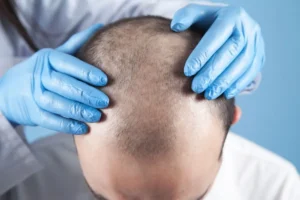
- Physical examination – evaluating scalp condition and pattern of loss.
- Laboratory tests – checking thyroid function, iron levels, and hormonal balance.
- Trichoscopy – a magnified view of the scalp to identify miniaturized follicles.
If the assessment reveals a condition like androgenetic alopecia, early intervention can preserve existing follicles and improve outcomes.
Practical Steps to Manage Hair Shedding
Even if your shedding is within the normal range, adopting healthy scalp habits can keep the average hair fall per day for men at the lower end of the spectrum.
Daily Care Routine
- Gentle cleansing – Use a mild shampoo and avoid harsh scrubbing.
- Conditioning – Apply a lightweight conditioner to maintain moisture.
- Scalp massage – Stimulates blood flow and may prolong the anagen phase.
- Avoid tight hairstyles – Reduces risk of traction alopecia.
Nutrition and Supplements
Incorporate the following nutrients to support follicle health:
| Nutrient | Key Food Sources | Benefit for Hair |
|---|---|---|
| Biotin (Vitamin B7) | Eggs, nuts, salmon | Strengthens keratin structure |
| Vitamin D | Fatty fish, fortified dairy | Promotes follicle cycling |
| Iron | Red meat, lentils, spinach | Prevents anemia‑related shedding |
| Zinc | Pumpkin seeds, oysters | Supports DNA synthesis in hair cells |
Lifestyle Adjustments
Managing stress through activities like yoga, meditation, or regular exercise can lower cortisol levels, which in turn may reduce telogen‑related shedding.
While these measures are effective for many, individuals with persistent or rapidly progressing loss should consider medical or surgical options.
Treatment Options for Persistent Hair Loss
When conservative measures are insufficient, a range of proven treatments can address the underlying cause of elevated shedding.
Medical Therapies
- Finasteride – An oral DHT inhibitor that slows follicle miniaturization.
- Topical minoxidil – Increases blood flow to the scalp and prolongs the growth phase.
- Low‑level laser therapy (LLLT) – Stimulates cellular activity in the follicle.
Surgical Solutions
For men with significant thinning, hair transplantation offers a permanent restoration. Techniques such as Follicular Unit Extraction (FUE) and Direct Hair Implantation (DHI) provide natural‑looking results with minimal downtime.
| Procedure | Key Advantage | Typical Candidate |
|---|---|---|
| FUE | Individual follicle extraction, scar‑free | Moderate to advanced hair loss |
| DHI | Implantation without prior incisions, higher density | Patients seeking precision and speed |
| Scalp Micropigmentation | Creates the illusion of density | Those preferring non‑surgical aesthetics |
Choosing the right approach depends on factors such as the extent of loss, scalp laxity, and personal goals. A qualified specialist can perform a thorough assessment and recommend a tailored plan.
Why Choose Gold City Hair
Gold City Hair has been delivering personalized hair restoration solutions in Turkey since 2017. Our clinic combines cutting‑edge techniques such as FUE and DHI with a commitment to transparent communication and patient comfort. Every treatment plan is tailored to the individual’s unique hair characteristics and goals, ensuring natural, lasting results. Trust a team that values your confidence as much as your scalp health.
Ready to take control of your hair health? Contact Gold City Hair today for a free, no‑obligation consultation and discover the most effective path to a fuller, healthier head of hair.
FAQ
What is the normal range of hair fall per day for men?
Most men shed between 50 and 100 hairs each day.
How can I tell if my hair shedding is above normal?
Consistent loss of more than 100 hairs per day or visible thinning indicates excess shedding.
Which factors can increase daily hair loss in men?
Genetics, hormonal changes, poor nutrition, stress, medical conditions, and certain medications can raise shedding.
What lifestyle changes help reduce hair shedding?
Adopt a balanced diet, manage stress, get adequate sleep, and use gentle scalp care.
What medical treatments are available for persistent hair loss?
Finasteride, topical minoxidil, low‑level laser therapy, and hair transplantation are common options.
When should I see a dermatologist for hair loss?
If shedding exceeds 100 hairs daily, you notice thinning, or have accompanying symptoms, schedule a visit.