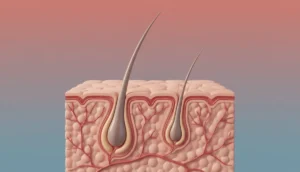
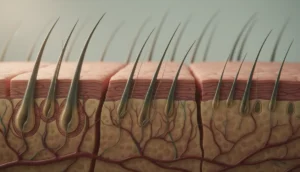
Hair fall can be a distressing experience, especially when it seems to happen without warning. B complex for hair fall has emerged as a popular nutritional approach to strengthen hair follicles and promote healthier growth. In this guide, we explore the science behind B vitamins, how they interact with the hair growth cycle, and practical steps you can take to incorporate them into your routine.
According to recent dermatology studies, up to 40% of hair loss cases are linked to nutritional deficiencies, with B‑vitamin gaps being among the most common. Understanding which vitamins matter most and how to choose the right supplement can make a noticeable difference in hair density and overall scalp vitality.
We’ll walk you through the essential B vitamins, dietary sources, supplement selection tips, and when professional hair restoration—such as the advanced procedures offered by Gold City Hair—might be the next logical step.
Understanding Hair Fall and the Role of B Complex Vitamins
Common Causes of Hair Loss
Hair loss is multifactorial. Hormonal shifts, stress, genetics, and nutritional shortfalls all play a part. Iron deficiency, thyroid imbalances, and inadequate protein intake are well‑known contributors, but micronutrient gaps—especially in the B‑vitamin family—can silently undermine hair strength.
How B Vitamins Support Hair Health
The B complex group comprises eight water‑soluble vitamins that act as co‑enzymes in cellular metabolism. They facilitate the conversion of food into energy, support red blood cell formation, and maintain healthy skin and hair follicles. When these processes falter, hair shafts become fragile and more prone to shedding.
- Improved circulation: Niacin (B3) expands blood vessels, delivering oxygen and nutrients to the scalp.
- Keratin production: Biotin (B7) is a key player in keratin synthesis, the protein that makes up hair strands.
- Stress reduction: Vitamin B5 and B6 help regulate cortisol levels, mitigating stress‑related hair shedding.
By ensuring an adequate intake of these vitamins, you create a supportive environment for the hair growth cycle, potentially reducing the daily amount of hair that falls out.

Key B Complex Vitamins That Influence Hair Growth
Vitamin B1 (Thiamine)
Thiamine aids in carbohydrate metabolism, ensuring that hair follicles receive sufficient energy. Deficiency can lead to dull, brittle hair and increased shedding.
Vitamin B2 (Riboflavin)
Riboflavin supports the production of red blood cells, which transport oxygen to the scalp. Adequate oxygenation is critical for follicle health and growth.
Vitamin B3 (Niacin)
Niacin is renowned for its vasodilating effect, improving blood flow to the scalp. Enhanced circulation means more nutrients reach the hair roots, fostering stronger strands.
Vitamin B5 (Pantothenic Acid)
Pantothenic acid assists in the synthesis of co‑enzyme A, a molecule essential for fatty acid metabolism. Healthy scalp oils are a by‑product of this process, keeping hair moisturized and less prone to breakage.
Vitamin B6, B7, B9, and B12
These vitamins collectively regulate hormone balance, DNA synthesis, and red blood cell formation. Biotin (B7) is especially celebrated for its role in keratin production, while folic acid (B9) and cobalamin (B12) support overall cell renewal.
| Vitamin | Primary Hair Benefit | Top Food Sources |
|---|---|---|
| Thiamine (B1) | Energy for follicle cells | Whole grains, pork, legumes |
| Riboflavin (B2) | Oxygen delivery | Eggs, dairy, leafy greens |
| Niacin (B3) | Scalp circulation | Chicken, fish, peanuts |
| Pantothenic Acid (B5) | Scalp oil balance | Avocado, mushrooms, yogurt |
| Biotin (B7) | Keratin synthesis | Egg yolk, nuts, salmon |
| Folic Acid (B9) | Cell renewal | Leafy vegetables, beans |
| Cobalamin (B12) | Red blood cell formation | Meat, dairy, fortified cereals |
Choosing the Right B Complex Supplement for Hair Fall
Not all B complex products are created equal. When targeting hair fall, look for formulations that contain higher concentrations of biotin, niacin, and pantothenic acid, as these have the most direct impact on hair follicles.
- Dosage clarity: Choose supplements that list exact IU or mg amounts for each B vitamin.
- Purity: Opt for products free from unnecessary fillers, artificial colors, or allergens.
- Synergistic ingredients: Some formulas combine B vitamins with zinc, iron, or vitamin D, enhancing overall effectiveness for hair growth.
- Third‑party testing: Certifications from independent labs ensure label accuracy and safety.
While many over‑the‑counter options claim to be “hair vitamins,” the most reliable approach is to read the ingredient list carefully and verify that the product supplies the specific B vitamins known to support hair health.
Dietary Sources and Lifestyle Tips to Boost Hair Health
Supplements are valuable, but a balanced diet remains the foundation of healthy hair. Incorporating B‑rich foods into daily meals can reinforce the benefits of any supplement regimen.
- Breakfast: Whole‑grain oatmeal topped with sliced bananas and a handful of almonds (B1, B2, B6).
- Lunch: Spinach salad with grilled salmon, avocado, and quinoa (B3, B5, B7, B12).
- Dinner: Stir‑fried tofu with broccoli, bell peppers, and brown rice (B9, B2).
- Snacks: Greek yogurt, boiled eggs, or a small serving of mixed nuts.
Additional lifestyle practices—such as managing stress through meditation, maintaining regular exercise, and avoiding harsh hair treatments—complement the nutritional approach and further reduce hair fall.
When to Seek Professional Hair Restoration Treatment
Even with optimal nutrition and targeted supplements, some individuals experience progressive hair loss that does not respond to dietary changes alone. In such cases, consulting a hair restoration specialist can provide personalized solutions.
- Persistent shedding: More than 100 hairs per day over several months.
- Visible thinning: Noticeable scalp exposure despite supplement use.
- Genetic pattern baldness: Family history of androgenic alopecia.
- Underlying medical conditions: Thyroid disorders, autoimmune diseases, or severe hormonal imbalances.
Gold City Hair offers state‑of‑the‑art procedures such as Follicular Unit Extraction (FUE) and Direct Hair Implantation (DHI), delivering natural‑looking results with minimal downtime. Combining a scientifically backed supplement plan with professional transplantation can achieve the most comprehensive hair restoration outcome.
Why Choose Gold City Hair
Since 2017, Gold City Hair has become a trusted destination for hair restoration in Turkey, delivering personalized care through advanced FUE and DHI techniques. Our team prioritizes transparent communication, detailed treatment planning, and post‑procedure support, ensuring each patient feels confident throughout their journey. By integrating medical expertise with a commitment to aesthetic excellence, Gold City Hair helps clients regain both hair density and self‑esteem.
Ready to take the next step toward fuller, healthier hair? Contact Gold City Hair today to schedule a personalized consultation and discover how our expert team can tailor a treatment plan that works for you.
Call now or fill out our online request form—your transformation begins with a single conversation.
FAQ
How do B complex vitamins help reduce hair fall?
B complex vitamins support cellular metabolism, improve scalp circulation, and aid keratin production, which together strengthen hair follicles and lessen shedding.
Which B vitamins are most important for hair growth?
Biotin (B7), Niacin (B3), and Pantothenic Acid (B5) are the most directly linked to hair health and growth.
Can I get enough B vitamins from diet alone?
A balanced diet rich in whole grains, lean proteins, leafy greens, and nuts can provide most B vitamins, but supplementation may be needed for deficiencies.
What should I look for when choosing a B complex supplement for hair fall?
Select a supplement with clear dosage amounts, high concentrations of biotin, niacin, and pantothenic acid, minimal fillers, and third‑party testing.
When should I consider professional hair restoration instead of just supplements?
If hair shedding exceeds 100 hairs per day, visible thinning persists despite nutrition, or there’s a genetic or medical cause, consult a specialist.